
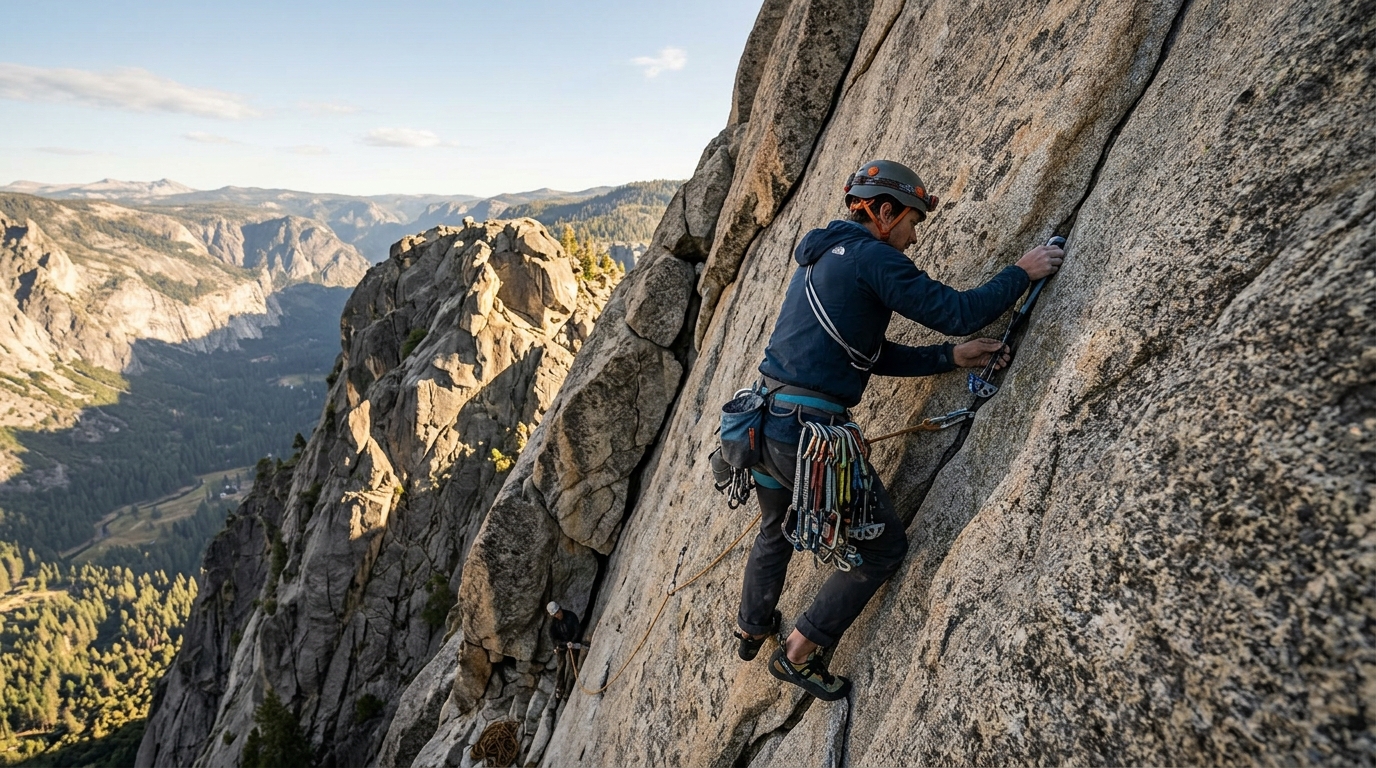
Traditional climbing demands a unique physiological profile that differs significantly from sport climbing or bouldering. According to recent performance data in alpine sports, climbers who utilize structured periodization see a 40% higher success rate on multi-pitch projects compared to those relying on unstructured gym sessions. This statistic highlights the critical need for a disciplined approach when preparing for the crag. Without a clear roadmap, even the strongest athletes often plateau due to inefficient energy expenditure and poor recovery management.
Understanding the Unique Demands of Trad Climbing
Traditional climbing involves placing protection while ascending natural rock formations. This activity requires sustained endurance, precise footwork, and the ability to manage fear on exposed terrain. Unlike sport climbing, where bolts are pre-placed, trad climbers must navigate complex movement patterns while managing gear. This dual focus creates a high cognitive load that can accelerate fatigue.
Effective training must address both the physical and mental aspects of the sport. A well-structured plan ensures that you are not just strong, but also efficient. Efficiency in climbing means using less energy to achieve the same result. This is particularly important on long routes where every ounce of energy counts. Paradigm Climbing emphasizes that understanding these nuances is the first step toward mastery.
The Pillars of Periodization
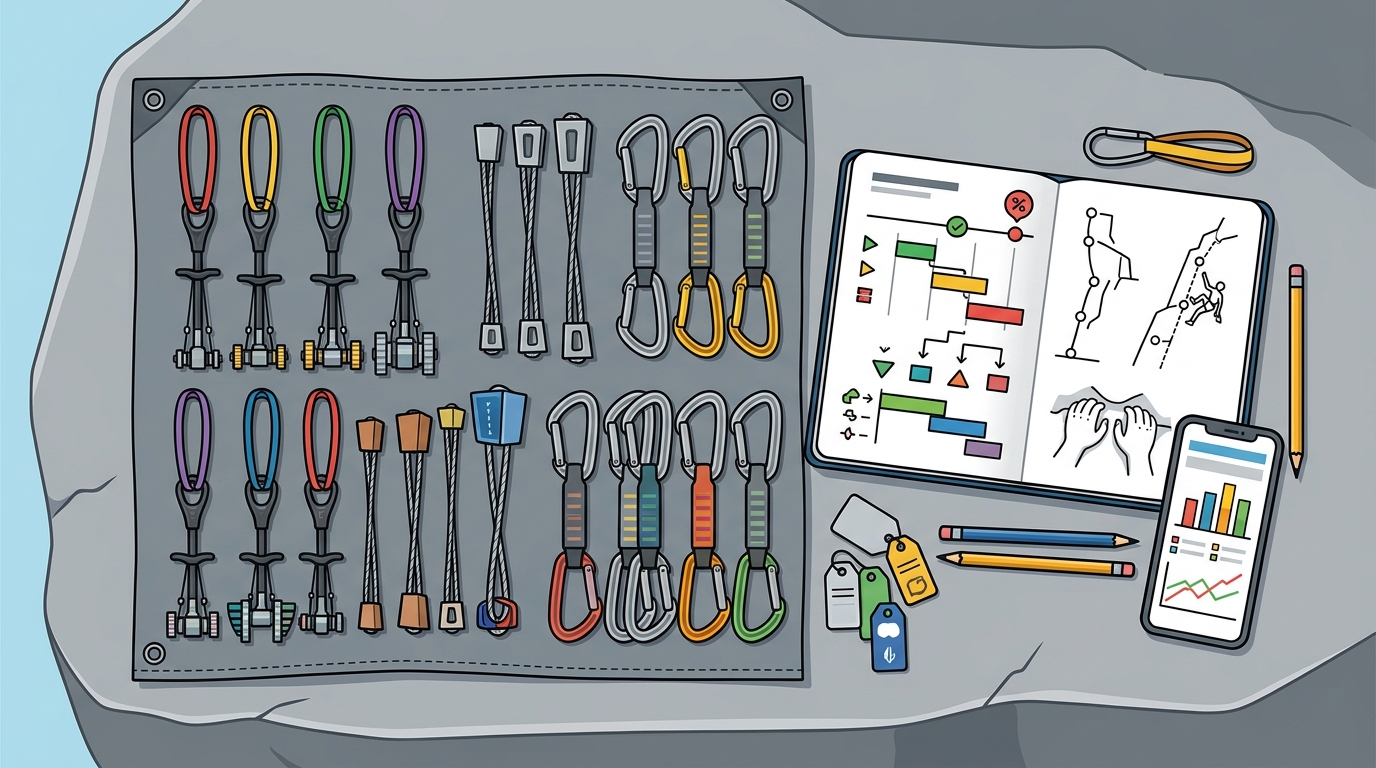
Periodization is the systematic planning of athletic or physical training. It involves cycling through different phases of training to optimize performance and prevent overtraining. For trad climbing, this typically includes base building, strength development, and specific endurance phases.
Base Building Phase
The base building phase focuses on increasing aerobic capacity and connective tissue strength. This phase is crucial for preparing the body for the intense loads of later training blocks. Athletes should engage in long-duration, low-intensity activities such as hiking or easy climbing. This builds the foundation necessary for higher intensity work.
Strength Development Phase
Once the base is established, the focus shifts to maximal strength. This involves heavy loading exercises such as hangboarding and weightlifting. The goal is to increase the force production capacity of the fingers, forearms, and core. This phase requires careful monitoring to avoid injury, as the stress on tendons and ligaments is significant.
Specific Endurance Phase
The final phase before a climbing trip involves specific endurance training. This mimics the demands of trad climbing, such as sustained climbing on small holds or long cruxes. Training should include rest-pause sets and continuous climbing intervals to simulate route conditions.
Key Strength Components
Trad climbing requires a balanced development of several strength components. Neglecting any one area can lead to weaknesses that hinder progress. The following components are essential for a comprehensive training plan.
| Component | Description | Training Method |
|---|---|---|
| Finger Strength | Ability to hold small edges and crimps | Hangboarding, Campus Board |
| Core Stability | Transfer of force between upper and lower body | Hanging leg raises, Planks |
| Antagonist Strength | Balance of pushing muscles to prevent injury | Push-ups, Dips, Shoulder Press |
| Flexibility | Range of motion for high steps and dynos | Yoga, Dynamic Stretching |
Developing these components requires a holistic approach. Coach Charlie Schreiber, a certified strength and conditioning coach, notes that integrating antagonist training is vital for longevity in the sport. Without balanced muscle development, climbers are prone to elbow and shoulder injuries.
Building Mental Resilience
Mental resilience is the ability to maintain focus and composure under pressure. In trad climbing, this means staying calm while placing gear on exposed sections or navigating complex moves. Mental training is often overlooked but is just as important as physical preparation.
Techniques for building mental resilience include visualization, breathing exercises, and exposure therapy. Visualization involves mentally rehearsing routes and successful outcomes. Breathing exercises help regulate heart rate and reduce anxiety. Exposure therapy involves gradually increasing the difficulty of climbs to build confidence.
According to sports psychology research, athletes who practice visualization report a 25% improvement in performance consistency. This data underscores the value of including mental training in your regimen. Full Spectrum training plans often incorporate mental drills to enhance this aspect of performance.
Recovery and Injury Prevention
Recovery is not just rest; it is an active process of repairing and strengthening the body. Neglecting recovery leads to overtraining, which can result in chronic injuries and decreased performance. Effective recovery protocols include sleep, nutrition, and active recovery techniques.
Sleep and Nutrition
Sleep is the most potent recovery tool available. Aim for 7-9 hours of quality sleep per night. Nutrition should support muscle repair and energy replenishment. Focus on lean proteins, complex carbohydrates, and healthy fats. Hydration is also critical for maintaining joint lubrication and muscle function.
Active Recovery Techniques
Active recovery involves low-intensity activities that promote blood flow without causing additional stress. Examples include light swimming, yoga, or easy hiking. These activities help flush out metabolic waste products and reduce muscle soreness. Paradigm Climbing advises climbers to listen to their bodies and adjust training loads accordingly.
The Role of Online Coaching
Online coaching provides personalized guidance and accountability. It allows climbers to receive expert feedback regardless of their location. This is particularly beneficial for trad climbers who may not have access to specialized coaching in their local area.
Personalized Programming
Online coaches create custom training plans based on individual goals, weaknesses, and schedule. This ensures that training is efficient and effective. Generic programs often fail to address specific needs, leading to stagnation. Custom Plans from Paradigm Climbing are designed to adapt to your unique progress.
Accountability and Support
Regular check-ins with a coach provide accountability and motivation. Coaches can identify potential issues before they become problems. They also offer emotional support during challenging phases of training. This support system is crucial for long-term success.
Key Takeaways
- Trad climbing requires a blend of strength, endurance, and mental resilience.
- Periodization is essential for optimizing performance and preventing injury.
- Finger strength, core stability, and antagonist strength are key components.
- Mental training techniques like visualization improve performance consistency.
- Recovery includes sleep, nutrition, and active recovery methods.
- Online coaching offers personalized programming and accountability.
- Coach Charlie Schreiber has over 20 years of experience in climbing coaching.
Frequently Asked Questions
How often should I train for trad climbing?
The frequency depends on your experience level and goals. Beginners should start with 2-3 sessions per week, while advanced climbers may train 4-6 times weekly. Always include rest days to allow for recovery.
What is the best way to improve finger strength?
Hangboarding is the most effective method. Start with open-hand positions on large edges and gradually progress to smaller edges and closed-hand positions. Always warm up thoroughly before hangboarding.
How important is mental training?
Mental training is crucial for trad climbing. It helps manage fear, maintain focus, and execute complex moves under pressure. Incorporate visualization and breathing exercises into your routine.
Can I train for trad climbing indoors?
Yes, indoor training can supplement outdoor climbing. Focus on specific endurance drills, strength exercises, and technique work. However, outdoor climbing is essential for developing route-reading skills and gear placement.
What are the signs of overtraining?
Signs include persistent fatigue, decreased performance, mood changes, and increased injury risk. If you experience these symptoms, reduce training intensity and consult a coach.
How does online coaching work?
Online coaching involves regular communication with a coach via email or video calls. You receive a custom training plan and submit progress updates. The coach adjusts the plan based on your feedback and results.
Is strength training necessary for climbing?
Yes, strength training improves power, endurance, and injury resilience. It allows you to climb harder routes with greater efficiency. Focus on functional movements that mimic climbing actions.
Start Your Journey
Structuring your trad climbing training plan is a complex task that requires expertise and dedication. Online coaching provides the guidance and support needed to navigate this journey successfully. Contact Paradigm Climbing today to discuss your goals and begin your path to climbing mastery.