
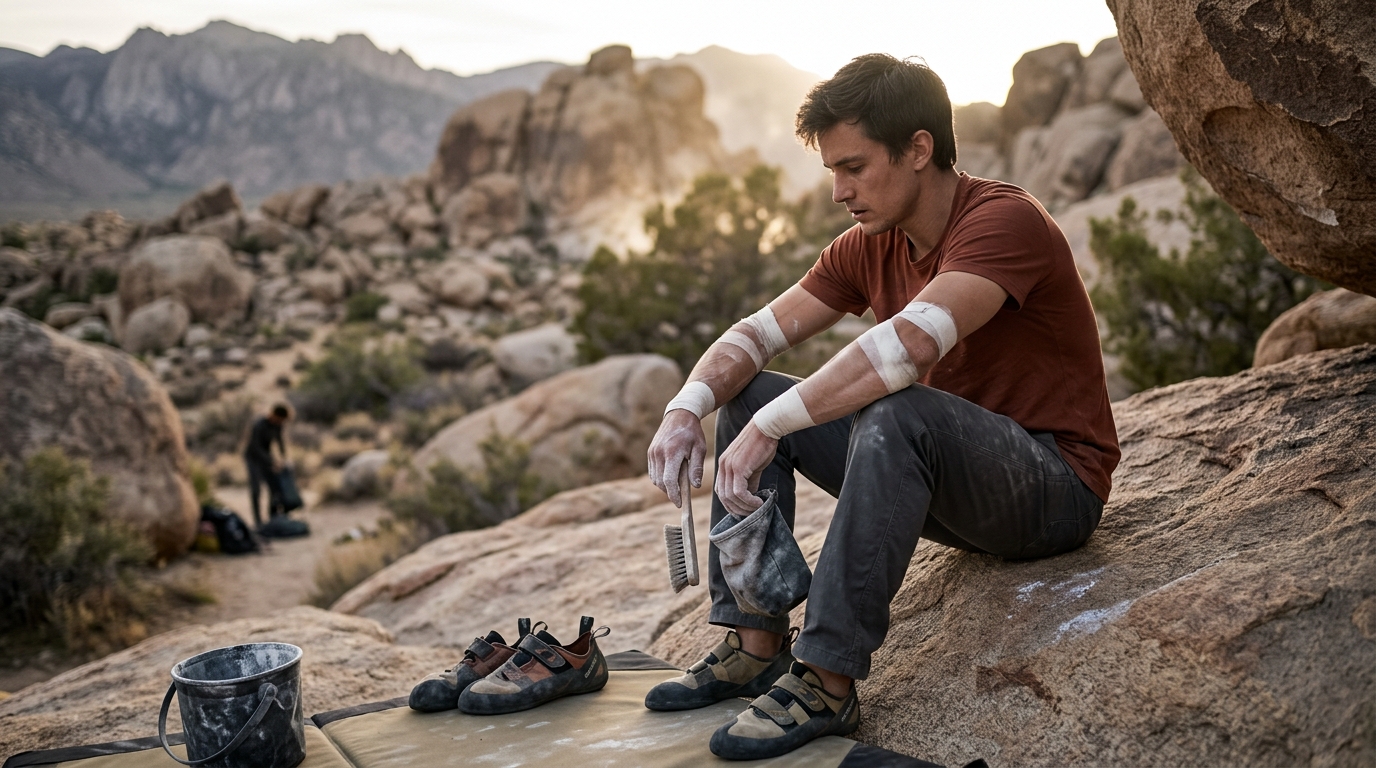
Overtraining is not just a physical issue; it is an emotional one too. Many climbers get carried away, thinking they can squeeze in one more session, only to hit a wall. Data shows that improper training volume is a leading cause of stalled progress for athletes ranging from V0 to V17. This guide identifies the critical errors that hold climbers back and provides the strategic framework to fix them. (ABOUT Paradigm Climbing)
The Trap of Unstructured Training
Many climbers spend years climbing without a clear plan. They go to the gym, climb until they are tired, and repeat. This approach lacks the precision required for long-term athlete development. Coach Charlie Schreiber, founder of Paradigm Climbing, emphasizes that understanding why and how training works is more important than just knowing what to do. Without a structured protocol, climbers fail to optimize volume, duration, and load.
Periodized training is the antidote to stagnation. It controls the intensity of your sessions to prevent overtraining while maximizing performance gains. According to sports science principles, unstructured training often leads to injury because the body is not given adequate time to adapt to the stress placed upon it. A certified strength and conditioning coach can prescribe these protocols to ensure you are climbing smarter, not just harder.
Beginner Mistakes: Ignoring Technique for Power
Beginners often believe that climbing is purely about upper body strength. They hang on campus boards and do pull-ups, neglecting footwork and body positioning. This is a fundamental error. Climbing is a full-body sport that relies heavily on leg drive and balance. For athletes starting at V0 or 5.5, focusing on technique yields faster results than raw power.
Another common mistake is climbing every day. Beginners often have high enthusiasm but low recovery capacity. Climbing daily leads to finger tendon injuries, which can sideline a climber for months. It is crucial to introduce new protocols gradually. Instead of jumping into an elaborate program, consider introducing one or two new training habits and giving them your full attention. This approach allows the body to adapt without overwhelming the central nervous system.
Intermediate Plateaus: Neglecting Recovery
As climbers progress to the V4 to V8 range, they often hit a plateau. They try to climb harder routes but lack the specific strength to send them. The mistake here is often a lack of specificity in training. Intermediate climbers need to train the specific movements required for their goals, whether that is bouldering, sport climbing, or competition.
Recovery is where the actual strength gains occur. If you are not sleeping enough or eating properly, your training efforts are wasted. Coach Mattias Braach-Maksvytis, with over 22 years of climbing experience, notes that combining strength training with technique and tactics is essential for improving overall power. He uses his background in physical therapy to prescribe protocols that prevent injury and overtraining. This holistic approach ensures that climbers improve upon all factors that affect performance.
Advanced Errors: Overlooking Mental Tactics
At the V10 and above level, physical differences between climbers are minimal. The deciding factor is often mental toughness and tactical awareness. Advanced climbers make the mistake of focusing solely on physical limits while ignoring the mental game. They fail to analyze their beta or manage their fear of falling.
Repeating climbs is a powerful tool for advanced climbers. It allows them to refine their technique and build confidence. By repeating a problem, a climber can add highly efficient and effective repetition to their training. This method helps them understand the nuances of the route and develop the tension control needed for V13+ climbs. Video analysis is another critical tool for advanced athletes to identify subtle mechanical flaws that are invisible in the moment.
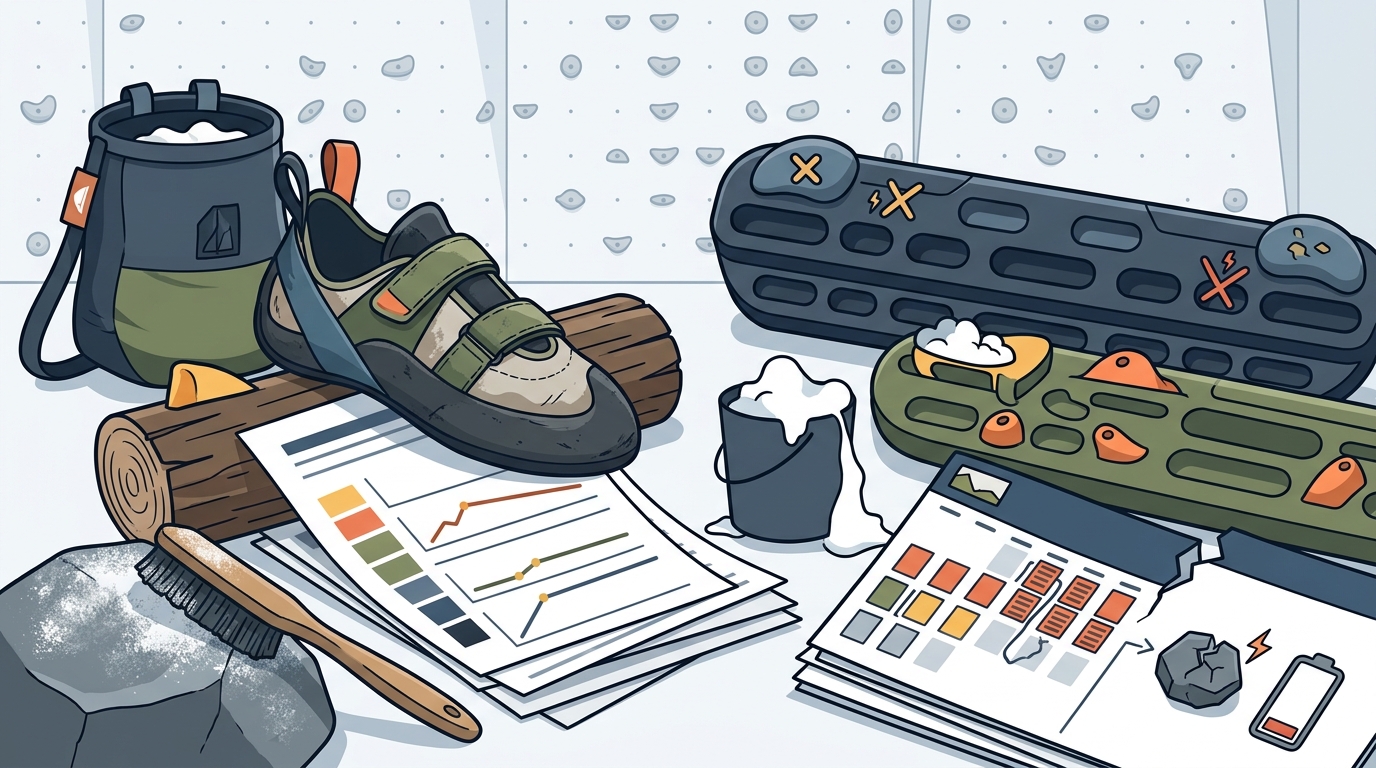
Training Plan Comparison
Choosing the right training path is critical for your progress. Below is a comparison of the primary options available through Paradigm Climbing.
| Plan Type | Best For | Key Benefit | Link |
|---|---|---|---|
| Custom Plans | Elite Athletes | Personalized periodization | View Custom Plans |
| Full Spectrum | Intermediate Climbers | Structured progression | View Full Spectrum |
| Pre-Written Plans | Beginners | Accessible entry point | View Pre-Written Plans |
| Personal Coaching | All Levels | Video analysis | Book Coaching |
Key Takeaways
- Unstructured training leads to stagnation and injury; periodization is essential.
- Beginners should prioritize technique over raw power to build a solid foundation.
- Recovery is as important as training; neglecting it causes plateaus.
- Advanced climbers must integrate mental tactics and video analysis.
- Coach Charlie Schreiber has trained over 1000 climbers since 2013.
- Mattias Braach-Maksvytis brings 22 years of outdoor and competition experience.
- Custom plans are tailored to your specific schedule and commitment level.
Frequently Asked Questions
What is the best way to start climbing training?
Start with a pre-written plan or seek personal coaching to establish proper technique and avoid injury.
How often should I train to avoid overtraining?
Training frequency depends on your level, but most climbers benefit from 3 to 4 sessions per week with rest days in between.
What is periodized training?
Periodized training is a method of controlling volume, duration, and load to optimize performance and prevent overtraining.
Can I train for climbing if I am a beginner?
Yes, beginners can benefit from structured training that focuses on technique and foundational strength.
What is the Full Spectrum series?
The Full Spectrum series is a collection of pre-written plans designed to elevate climbing prowess across all levels.
How do I know if I need a custom plan?
If you have specific goals, such as competing or sending a specific grade, a custom plan offers the precision you need.
What is the role of video analysis in climbing?
Video analysis helps identify mechanical flaws and refine beta for more efficient movement on the wall.
Start Your Custom Plan
Stop guessing and start climbing with purpose. Coach Charlie reads every email personally and is excited to help you reach your next level. Visit our contact page to schedule your consultation or explore our training plans today.