
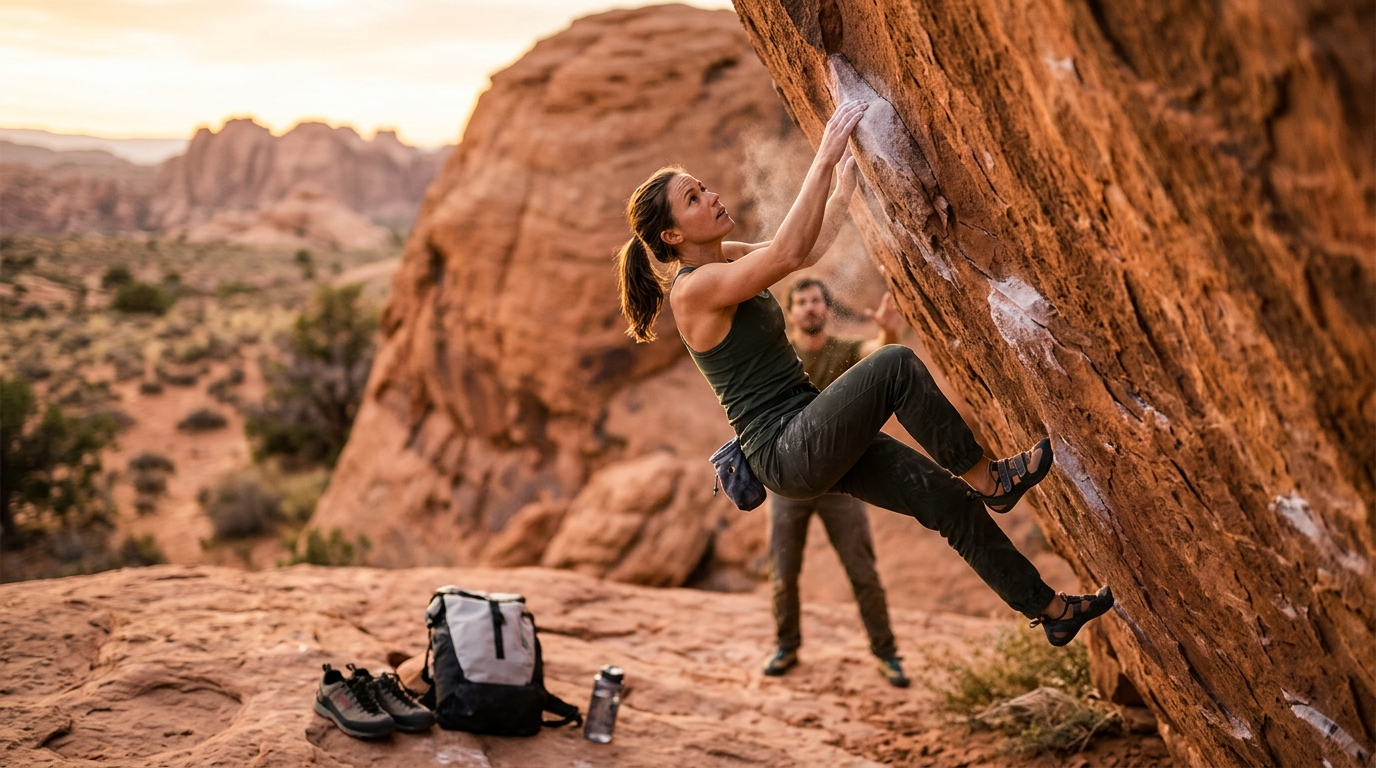
Power company climbing training focuses on developing maximum force production, rate of force development, and dynamic movement efficiency. For intermediate climbers, this means learning to generate high power in short bursts while maintaining technical control. This approach bridges the gap between basic strength and advanced athletic performance, enabling climbers to execute complex moves with precision and speed.
Defining Power in Climbing Context
Power is the rate at which work is done, specifically the ability to exert maximum force in the shortest possible time. In climbing, this translates to explosive movements like dynos, high-step transitions, and powerful crimps. Intermediate climbers often struggle because they possess adequate strength but lack the neurological efficiency to recruit muscle fibers rapidly. Understanding this distinction is critical for designing effective training blocks.
Neurological Adaptations and Motor Unit Recruitment
The primary focus of power training is neurological adaptation rather than pure hypertrophy. Intermediate climbers must learn to synchronize multiple muscle groups to produce coordinated force. This involves improving inter-muscular coordination, where agonist and antagonist muscles work together seamlessly. For example, a dynamic move requires the legs to drive while the arms pull, and the core stabilizes the entire system. Without this coordination, raw strength cannot be converted into climbing power.
Rate of Force Development and Movement Speed
Rate of Force Development (RFD) is the speed at which a muscle can generate force. High RFD allows climbers to move quickly between holds, reducing the time spent in vulnerable positions. Intermediate climbers often move slowly because they are cautious, but power training teaches them to trust their strength and move with intent. This speed is essential for maintaining momentum during sequences. A climber who can generate force quickly can sustain higher levels of performance over a long route.
Integrating Power with Technical Skill
Power training is ineffective if it is not integrated with technical climbing skills. Intermediate climbers must apply explosive strength to specific movement patterns, such as flagging, heel hooks, and toe hooks. This integration ensures that power is used where it is needed most. For instance, a powerful flag requires not just leg strength, but precise timing and balance. Coaches at Paradigm Climbing emphasize this holistic approach, ensuring that physical gains translate directly into on-wall performance.
Programming Structure for Intermediate Climbers
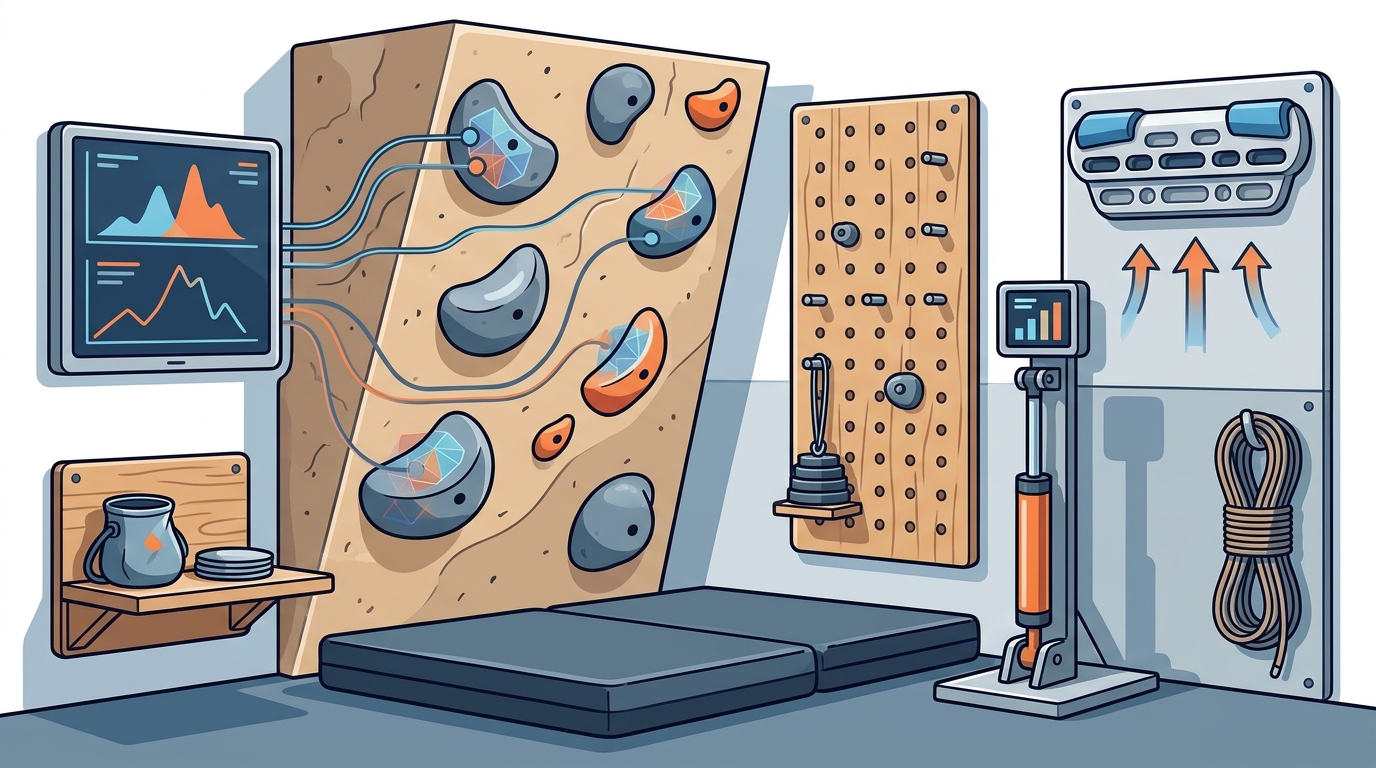
Effective power programming for intermediate climbers follows a periodized structure. This involves alternating between high-intensity, low-volume sessions and lower-intensity, higher-volume days. This balance prevents overtraining while allowing for neurological recovery. A typical week might include two dedicated power sessions and three technical climbing days. This structure ensures that climbers are fresh for high-quality movement practice. The goal is to peak performance at a specific time, such as a competition or a trip to the outdoors.
Key Takeaways
- Power is the ability to exert maximum force in the shortest time, distinct from pure strength.
- Neurological adaptation is the primary driver of power gains in intermediate climbers.
- Rate of Force Development (RFD) determines how quickly a climber can move between holds.
- Inter-muscular coordination is essential for converting raw strength into climbing power.
- Power training must be integrated with technical skills to be effective on the wall.
- Periodized programming balances high-intensity power work with technical practice.
- Trust in one's strength is a mental component of successful power training.
Frequently Asked Questions
What is the difference between strength and power in climbing?
Strength is the maximum force a muscle can produce, while power is the speed at which that force is produced. Climbing requires both, but power is critical for dynamic movements.
How often should intermediate climbers train for power?
Intermediate climbers should train for power two to three times per week, allowing for adequate recovery between sessions.
Can intermediate climbers benefit from power training?
Yes, intermediate climbers often have the base strength needed to benefit significantly from power training, leading to rapid improvements in movement efficiency.
What exercises are best for climbing power?
Exercises like plyometrics, heavy compound lifts, and dynamic climbing movements are best for developing climbing power.
How long does it take to see results from power training?
Neurological adaptations can occur within two to four weeks, but significant strength and power gains typically take several months of consistent training.
Is power training safe for intermediate climbers?
Yes, when programmed correctly with adequate recovery and proper technique, power training is safe and effective for intermediate climbers.
Conclusion
Power company climbing training for intermediate climbers focuses on neurological efficiency, rate of force development, and technical integration. By understanding and training these specific components, climbers can bridge the gap between strength and performance. Paradigm Climbing offers customized coaching to help climbers develop these critical skills safely and effectively.