
How Personalized Coaching Plans Transform Trad Climbing Performance
Personalized coaching plans transform trad climbing performance by replacing guesswork with structured, periodized training that targets specific weaknesses in strength, technique, and mental resilience. At Paradigm Climbing, coaches design these programs to align with your unique goals, ensuring that every session drives measurable adaptation rather than just adding volume. This approach allows climbers to progress safely and consistently, bridging the gap between current ability and desired performance levels. according to BetterUp Personalized Career
The Science of Periodized Training
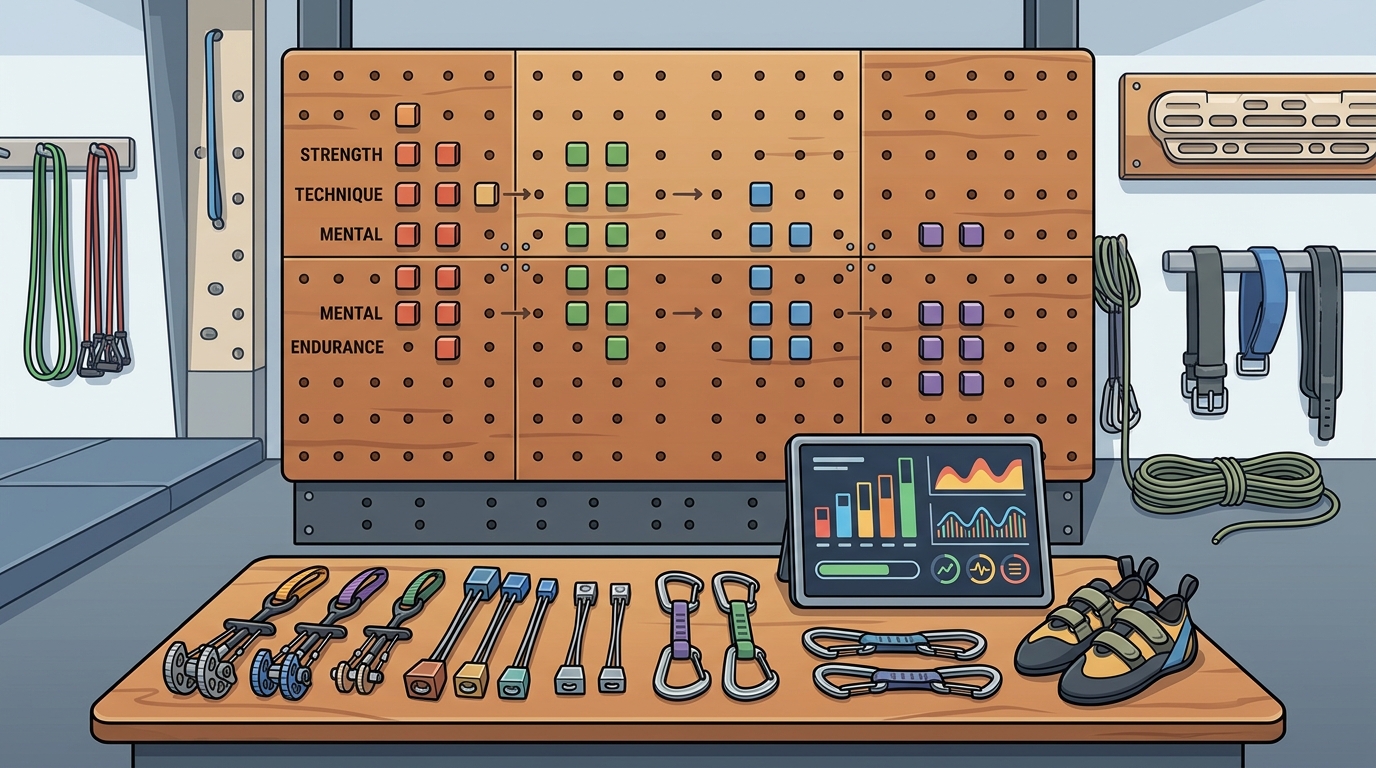
Periodized training is a systematic approach to athletic preparation that varies the intensity and volume of exercise over specific timeframes to optimize performance. In the context of trad climbing, this method prevents the common plateau that occurs when climbers repeat the same unstructured workouts indefinitely. By manipulating load and recovery, a coach can ensure your body adapts to new stimuli rather than simply recovering to baseline.
Coach Charlie Schreiber, founder of Paradigm Climbing, emphasizes that long-term athlete development requires a holistic view of physical and mental profiles. He notes that controlling volume, duration, and load is critical to optimizing performance and preventing injury. For a trad climber, this means balancing the high-force demands of lead climbing with the specific finger strength required for small edges and cracks. Without this structure, climbers often overtrain one area while neglecting others, leading to stagnation or burnout.
Targeting Technical Weaknesses
Technical proficiency is the foundation of efficient movement on rock, yet many climbers struggle to identify their specific gaps without external feedback. A personalized plan addresses these gaps by prescribing specific drills that mimic the movements required for your target routes. For example, if you struggle with dynamic moves on steep terrain, a coach will integrate dynamic training into your routine to build the necessary power and confidence.
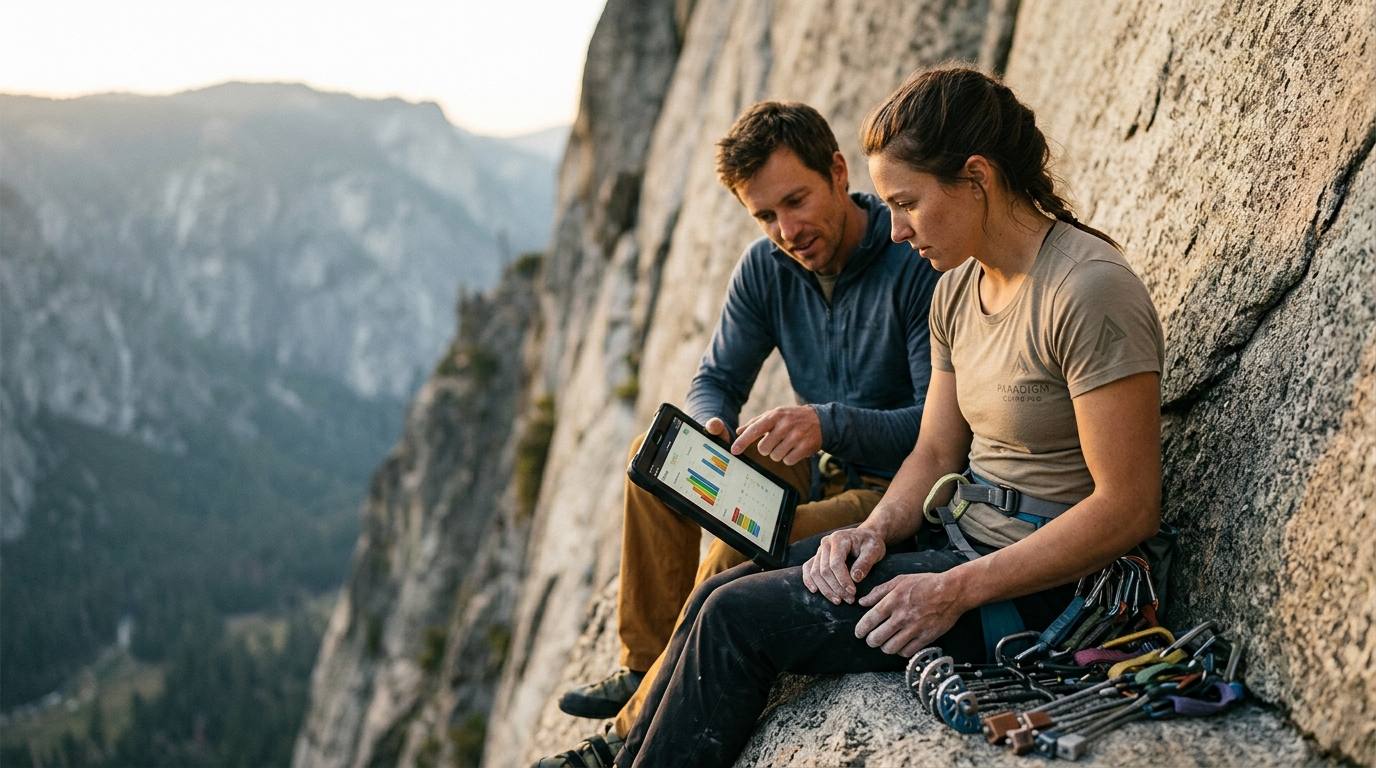
Video analysis is a powerful tool within this process, allowing coaches to observe your movement mechanics and provide precise feedback. Paradigm Climbing utilizes video analysis to help climbers see the difference between their perceived performance and reality. This objective data helps in correcting inefficient movement patterns, such as poor foot placement or excessive arm usage, which are common in trad climbing where holds are often small and precise.
Mental Resilience and Confidence Building
Mental training is a critical component of high-level climbing, as the fear of falling or the pressure of a hard project can hinder physical performance. Personalized coaching includes mental strategies such as visualization, self-talk, and pacing techniques to help climbers manage stress and maintain focus. These tools are essential for trad climbers, who often face longer routes and more consequential falls than boulderers.
Coach Charlie has mentored athletes to progress from day one to elite levels, highlighting the importance of building confidence through small, achievable wins. By setting clear goals and tracking progress, climbers can develop a positive mindset that supports long-term improvement. This mental framework helps climbers push through the "pump" and doubt that often arise during hard sequences, allowing them to perform at their true potential.
Preventing Injury and Overtraining
Injury prevention is a primary goal of any structured training program, as overtraining can lead to chronic issues such as finger pulley strains or elbow tendinitis. A personalized plan includes appropriate rest days and deload weeks to allow the body to recover and adapt. This is particularly important for trad climbers, who may be more susceptible to overuse injuries due to the repetitive nature of lead climbing.
By monitoring fatigue and adjusting training load accordingly, coaches can help climbers avoid the pitfalls of overtraining. Paradigm Climbing provides strategies to recognize the signs of overtraining and adjust training intensity before it becomes a problem. This proactive approach ensures that climbers can train consistently over the long term, leading to sustained progress and a longer climbing career.
Key Takeaways
- Periodized training varies intensity and volume to optimize performance and prevent plateaus.
- Technical drills target specific weaknesses, improving efficiency and reducing injury risk.
- Mental training builds confidence and resilience, essential for hard trad projects.
- Injury prevention is achieved through structured rest and load management.
- Video analysis provides objective feedback to correct movement mechanics.
- Personalized plans align with individual goals, ensuring every session drives adaptation.
Frequently Asked Questions
What is the main benefit of a personalized coaching plan for trad climbers?
The main benefit is that it replaces unstructured training with a systematic approach that targets specific weaknesses, preventing plateaus and promoting consistent, safe progress.
How does video analysis help improve climbing performance?
Video analysis allows climbers to see their movement from an external perspective, helping them identify and correct inefficient techniques that may not be apparent during the climb.
Can a coaching plan help prevent climbing injuries?
Yes, by managing training load and incorporating appropriate rest, a coaching plan helps prevent overuse injuries that are common in climbing.
What is periodized training?
Periodized training is a method of varying the intensity and volume of exercise over time to optimize performance and allow for adequate recovery.
How long does it take to see results from a personalized plan?
Results vary, but most climbers see measurable improvements in strength and technique within a few weeks of consistent, structured training.
Is mental training important for trad climbing?
Yes, mental training is crucial for managing fear and maintaining focus, especially on longer and more difficult trad routes.