

The global indoor climbing market has shifted dramatically in recent years, with digital engagement becoming just as critical as physical access. According to recent industry data, over 40% of climbing enthusiasts now utilize hybrid training models that combine virtual coaching with on-site sessions. This statistic highlights a growing demand for facilities that offer seamless digital integration alongside robust physical infrastructure. Selecting the right climbing gym is no longer just about location; it is about finding a partner that supports your long-term athletic development through technology, community, and expert guidance.
Understanding Your Climbing Goals
Before you sign any contract or download an app, you must define what success looks like for you. Climbing is not a monolithic activity. It spans from casual bouldering to high-altitude mountaineering preparation. Clarity of purpose prevents wasted resources and ensures you train effectively. If your goal is social recreation, a gym with a vibrant community and varied beta is essential. If your aim is competitive performance, you need access to competition walls, auto-belays, and specialized coaching.
Consider the specific disciplines you wish to master. Lead climbing requires different wall configurations than bouldering. Top-roping demands reliable anchor systems and staff oversight. Virtual reality (VR) climbing is emerging as a tool for route visualization, but it cannot replace the tactile feedback of real rock. Define your primary objective to narrow down your search criteria significantly.
Evaluating Technology Integration
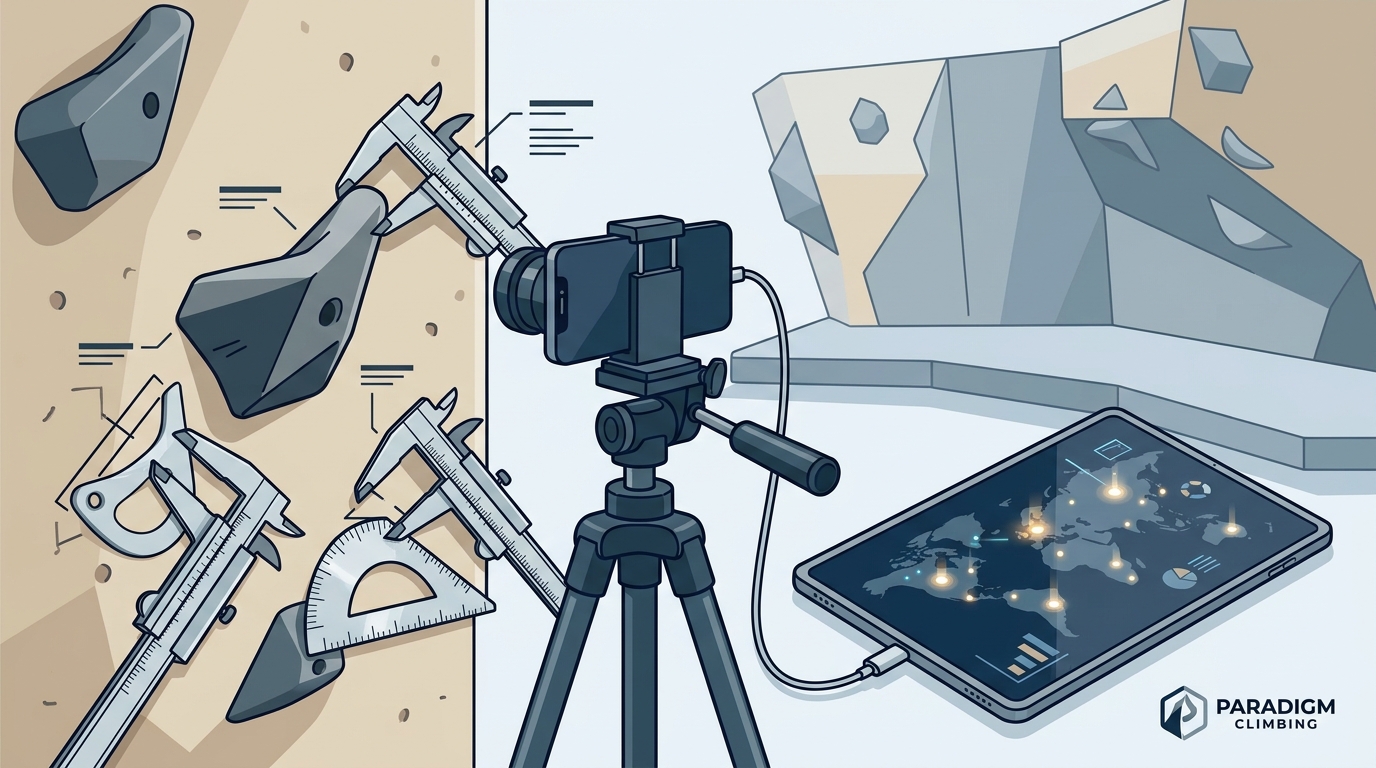
In 2026, the best climbing gyms operate as tech-enabled hubs. They do not just offer walls; they offer data. When evaluating a gym, look for seamless app integration that tracks your climbs, monitors your heart rate, and provides personalized training plans. Technology should enhance your physical effort, not distract from it. Gyms that utilize smart holds with embedded sensors can provide real-time feedback on your grip strength and movement efficiency.
Check if the gym offers virtual coaching platforms. These platforms allow you to review your technique via video analysis uploaded by instructors. This feature is crucial for self-correction and long-term progress. Additionally, inquire about their booking systems. A robust digital infrastructure ensures you can reserve spots for classes or bouldering sessions without long wait times. Poor technology management often leads to a frustrating user experience, regardless of the wall quality.
Assessing Physical Infrastructure
The physical environment remains the core product. You must inspect the wall surfaces, hold quality, and safety protocols. Wall texture and hold variety directly impact the difficulty and realism of your training. High-quality gyms use textured surfaces that mimic natural rock, providing better friction and durability. They also rotate their routes regularly to prevent overuse injuries and keep the experience fresh.
Safety is non-negotiable. Verify that the gym adheres to UIAA (Union Internationale des Associations d'Alpinisme) standards for equipment and wall construction. Ask about their belay device policies. Many modern gyms have transitioned to auto-belays for lead climbing, which require specific training to operate safely. Ensure the staff is certified in first aid and CPR. The cleanliness of the facility, particularly the crash pads and chalk bowls, also reflects their operational standards.
Comparing Membership Models
Financial commitment varies widely across the industry. Some gyms offer unlimited monthly memberships, while others operate on a pay-as-you-go basis or require class packages. Understanding the total cost of ownership is vital for long-term budgeting. Look for hidden fees such as gear rental, locker rentals, or guest pass costs. Some gyms offer tiered memberships that include access to partner facilities or discounted retail items.
Consider the flexibility of the contract. Can you pause your membership if you travel? Are there cancellation fees? For serious climbers, a gym that offers corporate partnerships or employer subsidies can significantly reduce costs. Always read the fine print regarding liability waivers and insurance requirements. A transparent pricing model builds trust and allows you to focus on climbing rather than administrative concerns.
Community and Culture
Climbing is inherently social. The culture of a gym can make or break your experience. Visit the gym during peak hours to observe the atmosphere. Is it competitive and intense, or relaxed and welcoming? Do climbers help each other with beta, or do they ignore one another? A supportive community accelerates learning and increases retention. Look for gyms that host regular events, such as bouldering competitions, workshops, or social mixers.
Check their online presence. Active social media groups and forums indicate a engaged community. Gyms that prioritize inclusivity and diversity tend to have stronger, more resilient cultures. If you are a beginner, ensure the gym offers comprehensive onboarding programs. Instructors who are patient and knowledgeable can transform a novice into a confident climber. The right community provides accountability and motivation when you want to quit.
Key Takeaways
- Define your primary climbing discipline to filter gyms by infrastructure suitability.
- Prioritize gyms with integrated apps for tracking progress and booking sessions.
- Verify UIAA compliance for all wall structures and safety equipment.
- Compare membership tiers for hidden fees and cancellation policies.
- Visit during peak hours to assess community vibe and crowd density.
- Look for certified instructors who offer personalized feedback.
- Check for virtual coaching options to supplement your physical training.
Frequently Asked Questions
What is the best age to start indoor climbing?
Indoor climbing is accessible to all ages. Children as young as four can begin with specialized junior programs. The key is finding a gym with age-appropriate holds and safety measures. Adults of any age can benefit from the low-impact nature of climbing, which improves strength and flexibility.
How much does it cost to join a climbing gym?
Costs vary by location and amenities. Average monthly memberships range from $100 to $200 in major metropolitan areas. Pay-as-you-go options typically cost $20 to $30 per visit. Some gyms offer discounts for students, military personnel, or corporate partners.
Do I need to bring my own gear?
Most gyms rent shoes and harnesses. However, owning your own climbing shoes improves performance and hygiene. Chalk and a chalk bag are also recommended for regular climbers. Helmets are often required for top-roping and lead climbing in many facilities.
Can I climb alone at a gym?
Yes, but you must be certified in the gym's belay system. Auto-belays allow solo lead climbing without a partner. For bouldering, no partner is needed. However, having a spotter is recommended for safety and beta discussion.
What safety certifications should staff have?
Staff should hold current first aid and CPR certifications. Lead instructors often possess UIAA or AMGA guiding credentials. These certifications ensure they are trained in risk management and emergency response.
How often should I climb to see results?
Consistency is key. Experts recommend climbing two to three times per week for noticeable strength gains. Overtraining can lead to injury, so rest days are crucial. Listen to your body and adjust your frequency accordingly.
What is the difference between bouldering and top-roping?
Bouldering involves climbing short routes without ropes, using crash pads for safety. Top-roping involves climbing higher routes with a rope anchored at the top. Each discipline develops different muscle groups and techniques.
Are online climbing gyms effective?
Online platforms offer convenience and data tracking. However, they cannot replace the physical resistance and tactile feedback of real rock. Use them as a supplement to your training, not a complete substitute.
Start Your Climbing Journey Today
Choosing the right climbing gym is a significant step toward achieving your athletic goals. By evaluating technology, infrastructure, and community, you can find a facility that supports your growth. Paradigm Climbing offers a premier environment designed for both beginners and experts. We combine state-of-the-art facilities with expert coaching to help you reach new heights. Visit our services page to learn more about our programs. Learn about our mission and commitment to safety. Read our latest articles on climbing techniques. Contact us to schedule a tour. Explore our membership options today. Start climbing with confidence at Paradigm Climbing.