
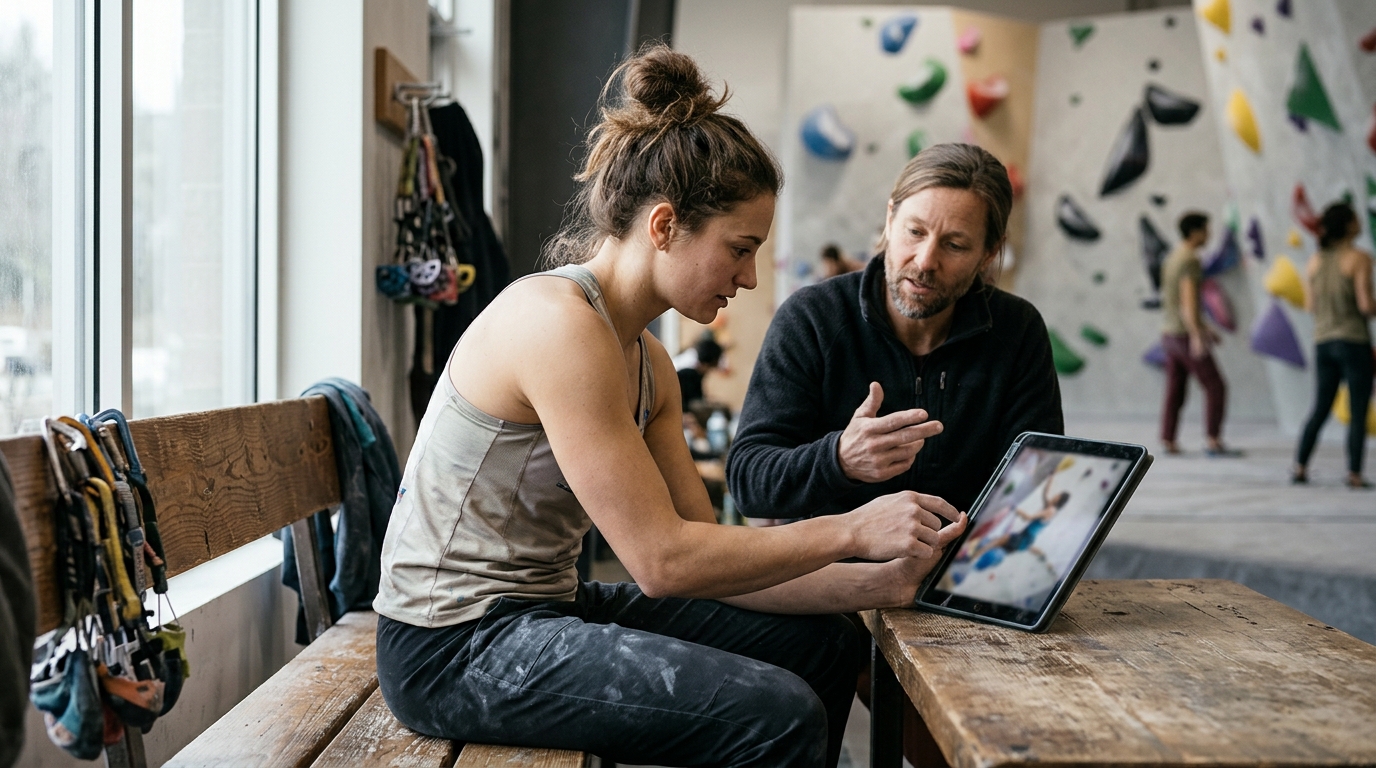
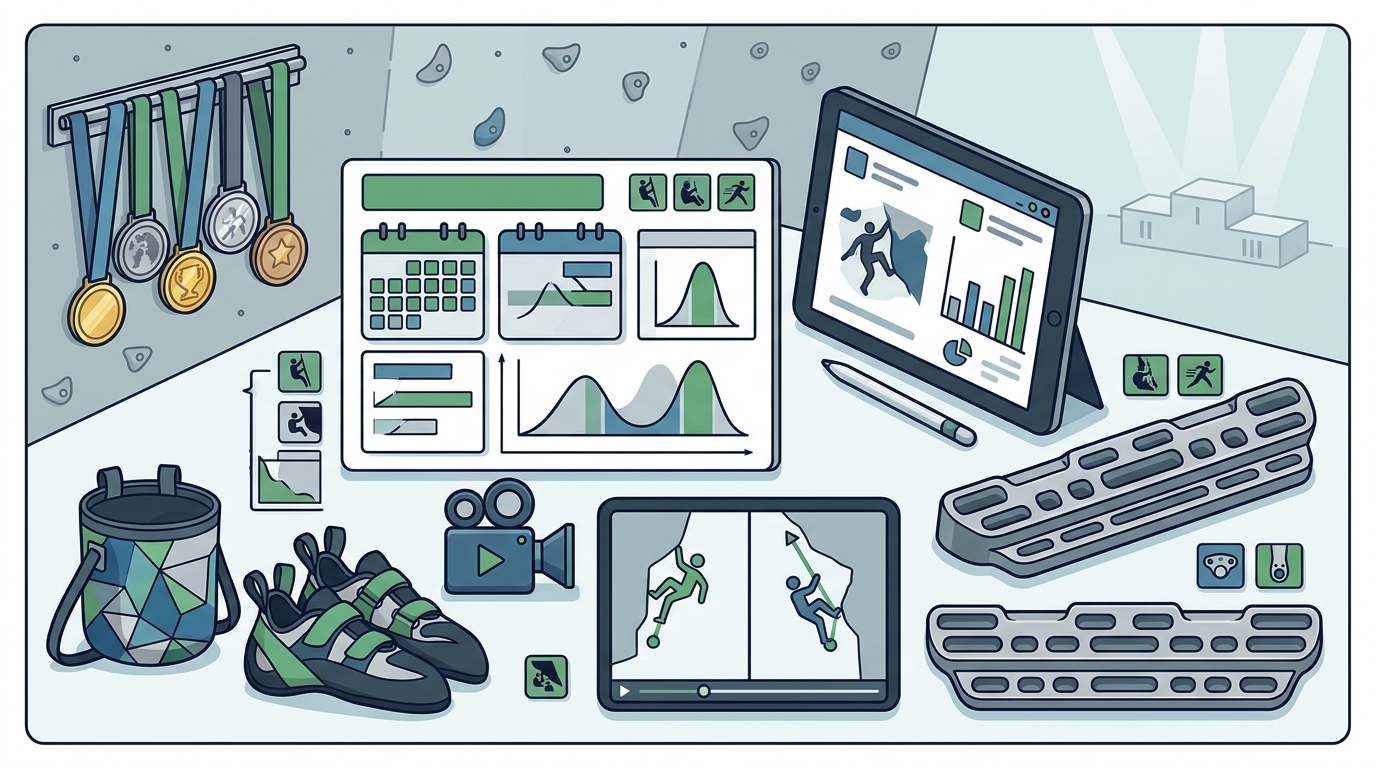
Competitive climbers should prioritize coaches with direct World Cup or National Championship experience, structured periodization, and video analysis capabilities. These elements ensure that training aligns with the specific demands of competition formats, such as lead, bouldering, and speed. Paradigm Climbing provides this level of specialized guidance, helping athletes bridge the gap between gym performance and podium results.
Coach Credentials and Competitive Background
The most critical factor in selecting an online coaching program is the coach's direct experience in the competitive arena. A coach who has competed at the World Cup or National Championship level understands the unique pressures of competition days, including the need to peak at specific times and manage fatigue across multiple disciplines. This background allows them to design training that mimics the physiological and psychological demands of actual competition.
For example, a coach who has climbed V13 boulders and 5.14a sport routes, as seen in the profile of Coach Charlie Schreiber, brings a depth of knowledge that is difficult to replicate through general fitness training alone. This expertise ensures that the training plan is not just about getting stronger, but about becoming a more effective competitor. Climbers should look for coaches who have mentored athletes to high levels of success, as this demonstrates a proven ability to guide others through the competitive process.
Periodization and Load Management
Periodization is the systematic planning of athletic or training activities. It involves varying the intensity, volume, and type of training over time to optimize performance and prevent overtraining. For competitive climbers, this is essential because the body responds to training stress by adapting, but only if the stress is managed correctly. Without proper periodization, climbers risk injury or burnout, which can derail an entire season.
A well-structured program will include specific blocks for strength, power, and endurance, followed by recovery phases. This approach ensures that the climber is at their peak performance when it matters most. For instance, a coach might prescribe a 9-week cycle that gradually increases load before tapering for a major competition. This level of detail is crucial for athletes who are balancing training with other life commitments, such as school or work. Paradigm Climbing's training plans are organized in 9-week cycles, providing a clear framework for long-term progress.
Video Analysis and Technical Feedback
Video analysis is a powerful tool for improving climbing technique and efficiency. By reviewing footage of their own climbing, athletes can identify movement inefficiencies, such as poor foot placement or excessive arm usage, that are not visible in real-time. This feedback loop is essential for refining technique, which is a key differentiator in competition climbing. A coach who offers video analysis can provide specific, actionable feedback that helps the climber make targeted improvements.
For example, a coach might point out that a climber is using their arms to pull themselves up when they should be using their legs to push. This type of feedback can lead to significant gains in efficiency and power. Paradigm Elite plans include video analysis and feedback, allowing climbers to send videos of their projects or competition attempts for personalized movement analysis. This feature is particularly valuable for online coaching, as it bridges the gap between remote instruction and in-person feedback.
Mental Performance and Competition Tactics
Mental performance is a critical component of competition climbing. The ability to stay calm, focused, and confident under pressure can make the difference between a podium finish and a DNF (Did Not Finish). A good coaching program will include mental training strategies, such as visualization, breathing techniques, and pre-competition routines. These tools help climbers manage anxiety and maintain focus during high-stakes moments.
For example, a coach might teach a climber to use a specific breathing technique to calm their nervous system before a lead attempt. This type of mental preparation is just as important as physical training. Full Spectrum plans include educational materials on mindset, visualization, and breathing, providing climbers with the tools they need to perform at their best. This holistic approach ensures that the climber is not just physically prepared, but also mentally resilient.
Communication and Accessibility
Effective communication is essential for a successful coaching relationship. Climbers should look for coaches who are responsive, accessible, and willing to answer questions. This level of support is particularly important for online coaching, where the climber may not have the opportunity to ask for clarification in person. A coach who is available for regular check-ins and feedback can help keep the climber on track and motivated.
For example, a coach might offer weekly text or email support to address any questions or concerns that arise during the training cycle. This level of accessibility ensures that the climber feels supported and connected to their coach. Paradigm Climbing's contact page highlights the importance of personal communication, with Coach Charlie reading every email personally. This commitment to communication is a key differentiator for climbers looking for a supportive and responsive coaching experience.
Key Takeaways
- Choose a coach with direct World Cup or National Championship experience.
- Look for structured periodization to manage load and prevent overtraining.
- Video analysis is essential for refining technique and efficiency.
- Mental performance training is just as important as physical training.
- Effective communication and accessibility are key to a successful coaching relationship.
- Consider the coach's ability to mentor athletes to high levels of success.
Frequently Asked Questions
What is the most important credential for a competitive climbing coach?
The most important credential is direct experience in the competitive arena, such as World Cup or National Championship participation. This background ensures that the coach understands the unique demands of competition climbing.
How does periodization help competitive climbers?
Periodization helps competitive climbers by systematically planning training to optimize performance and prevent overtraining. It involves varying the intensity, volume, and type of training over time to ensure peak performance at key competitions.
Why is video analysis important for online coaching?
Video analysis is important for online coaching because it allows coaches to provide specific, actionable feedback on technique and efficiency. It bridges the gap between remote instruction and in-person feedback, helping climbers make targeted improvements.
What mental performance strategies should competitive climbers use?
Competitive climbers should use mental performance strategies such as visualization, breathing techniques, and pre-competition routines. These tools help manage anxiety and maintain focus during high-stakes moments.
How important is communication in an online coaching relationship?
Communication is essential in an online coaching relationship. Climbers should look for coaches who are responsive, accessible, and willing to answer questions. This level of support helps keep the climber on track and motivated.
Can online coaching be as effective as in-person coaching?
Yes, online coaching can be as effective as in-person coaching if the coach provides structured periodization, video analysis, and effective communication. These elements ensure that the climber receives the same level of support and feedback as they would in person.
How long should a competitive climbing training cycle be?
A competitive climbing training cycle should be long enough to allow for significant adaptation, typically 8 to 12 weeks. This duration provides enough time to build strength, power, and endurance while managing recovery.
Conclusion
Choosing the right online coaching program is a critical decision for competitive climbers. By prioritizing coaches with competitive experience, structured periodization, video analysis, and effective communication, climbers can maximize their potential and achieve their goals. Paradigm Climbing offers a comprehensive approach to competition climbing coaching, providing the tools and support needed to succeed at the highest levels. To start your journey, explore the available plans and find the right fit for your goals.