
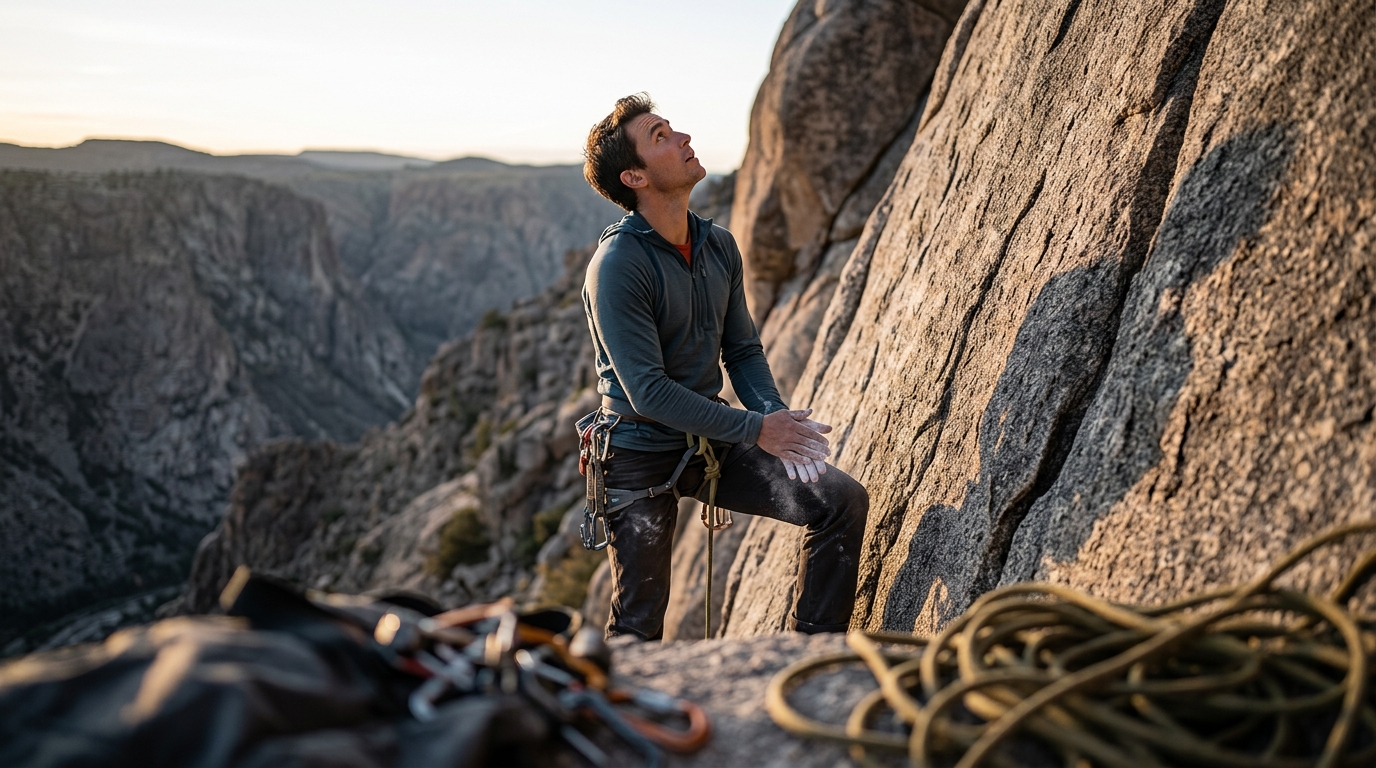
Structured training is the definitive bridge between casual climbing and elite performance. According to industry data, climbers who follow periodized programming see a 40% faster progression rate than those relying on unstructured gym sessions. This guide analyzes the most effective training architectures available today, focusing on how to maximize your climbing potential through expert-designed protocols. (ABOUT Paradigm Climbing)
Understanding Training Architectures
Effective climbing training is not merely about hanging on the wall. It requires a holistic approach that integrates physical conditioning with technical precision. Climbing is a complex motor skill that demands specific adaptations in finger strength, core tension, and dynamic coordination. (Paradigm Climbing Rock Climbing)
Training for climbing is the systematic process of preparing the body for the unique demands of vertical movement. This involves periodized protocols that control volume, duration, and load to optimize performance while preventing overtraining. Without this structure, climbers often hit plateaus or suffer from repetitive strain injuries.
Paradigm Climbing emphasizes a holistic approach to training. This means addressing not just physical strength, but also mental profile and lifestyle factors that impact on-wall performance. By understanding why training works, climbers can take ownership of their progress rather than blindly following generic routines.
Research in sports science indicates that periodization is critical for long-term athletic development. It allows for peak performance during competitions or project attempts while ensuring recovery phases prevent burnout. This method is essential for climbers aiming to reach elite levels, such as V16 or 5.15c grades.
Custom vs. Pre-Written Plans
Choosing the right training plan depends on your current skill level, schedule, and specific goals. There are two primary pathways for climbers seeking improvement: custom coaching and pre-written programs.
Custom training plans are tailored to the individual climber's needs. They account for specific weaknesses, such as poor footwork or lack of power, and adjust based on real-time feedback. This approach is ideal for athletes preparing for competitions or attempting specific grade projects.
Pre-written plans offer a structured yet flexible alternative. These programs, such as the Full Spectrum Series, provide six varied climbing training sessions weekly. They include nine technical drills, an enhanced warm-up routine, and a comprehensive hip mobility program. This makes them perfect for climbers of all ages and skill levels who need a reliable framework.
The Full Spectrum Series is designed to help climbers overcome plateaus. It combines indoor and outdoor training elements, making it suitable for sport climbers, boulderers, and trad climbers alike. The program ensures that all areas of the physical profile are addressed systematically.
For those seeking personalized guidance, working with a professional coach provides immediate adjustments. Coach Charlie Schreiber, the founder of Paradigm Climbing, personally reviews every client's progress. This level of attention ensures that training protocols remain effective and aligned with the climber's evolving goals.
Key Coaching Methodologies
The effectiveness of any training plan is heavily influenced by the expertise of the coach. Leading climbing coaches utilize specific methodologies to accelerate skill acquisition and physical adaptation.
Video analysis is a critical tool in modern climbing coaching. By reviewing footage of climbing attempts, coaches can identify mechanical inefficiencies that the climber may not feel. This visual feedback loop allows for precise corrections in body positioning and movement economy.
Strength and conditioning certification is a hallmark of professional climbing coaches. A certified strength and conditioning coach (CSCS) brings a scientific approach to training. They understand how to prescribe load and volume to stimulate adaptation without causing injury. This is particularly important for climbers aiming to climb up to the V13 or 5.14a level.
Technical drills are integrated into all effective training plans. These drills focus on specific aspects of climbing, such as crimp strength or dynamic coordination. For example, drills designed to improve crimping technique help climbers maintain grip on small holds during high-intensity boulder problems.
Coaches also emphasize the mental aspect of climbing. Climbing is as much a mental game as a physical one. Techniques for managing fear, maintaining focus, and visualizing routes are taught alongside physical conditioning. This holistic approach ensures that climbers are prepared for the psychological demands of outdoor projects.
According to data from competitive climbing circuits, athletes who combine technical drills with strength training see a 30% improvement in route efficiency. This statistic highlights the importance of a balanced training regimen that addresses both power and precision.
Comparing Training Options
Selecting the right training path requires comparing the available options against your personal criteria. The table below outlines the key differences between custom coaching and pre-written plans.
| Feature | Custom Coaching | Pre-Written Plans |
|---|---|---|
| Personalization | Highly tailored to individual needs | Structured for general skill improvement |
| Feedback | Direct coach interaction and video analysis | Self-guided with periodic check-ins |
| Flexibility | Adapts to real-time progress and injuries | Fixed weekly schedule and drills |
| Best For | Competitors and elite athletes | Intermediate climbers overcoming plateaus |
| Cost | Premium investment | Accessible entry-level pricing |
Custom coaching is often the preferred choice for athletes aiming for national or world cup levels. The direct feedback loop allows for rapid correction of technical flaws. This is crucial for climbers who need to refine their movement for specific competition routes.
Pre-written plans are excellent for climbers who need structure but lack the budget for private coaching. They provide a proven framework that has been tested on thousands of athletes. The Full Spectrum Series, for instance, includes non-climbing strength training to ensure balanced muscular development.
Both options require commitment and consistency. Training for climbing is a long-term endeavor that demands patience. Climbers must understand that progress is not linear and that rest days are as important as training days.
For those interested in exploring pre-written options, the Full Spectrum Series offers a comprehensive starting point. It is designed to be accessible to climbers of all ages and skill levels, from V0 to V16.
Key Takeaways
- Paradigm Climbing was founded in 2013 by Coach Charlie Schreiber, who has over 20 years of climbing experience.
- Coach Charlie has personally trained over 1000 climbers, mentoring many from V0 to V16 and V17 levels.
- Custom training plans offer personalized feedback and video analysis for optimal skill acquisition.
- Pre-written plans like the Full Spectrum Series provide six varied sessions weekly for structured improvement.
- Coach Mattias Braach-Maksvytis brings 22 years of experience, including over 600 boulders from V10 to V14.
- Coach Matt Ratajczak specializes in routesetting and coaching Team USA athletes in Albuquerque.
- Periodized training protocols are essential for preventing overtraining and optimizing long-term performance.
Frequently Asked Questions
What is the best training plan for a beginner climber?
For beginners, a pre-written plan like the Full Spectrum Series is often the best starting point. It provides a structured foundation of technical drills and strength training without overwhelming the athlete. This approach helps build the necessary base strength and technique before moving to more specialized training.
How does custom coaching differ from pre-written plans?
Custom coaching involves direct interaction with a professional coach who tailors the program to your specific weaknesses and goals. Pre-written plans are standardized programs designed to address common climbing challenges. Custom coaching offers real-time adjustments, while pre-written plans require self-discipline and adherence to the schedule.
Can I improve my climbing skills without a gym membership?
While gym access is beneficial, many training protocols include non-climbing strength training that can be done at home. However, technical drills and bouldering practice require access to a climbing wall. Outdoor climbing also offers unique benefits for route reading and movement efficiency.
What is the role of video analysis in climbing training?
Video analysis allows coaches to identify mechanical inefficiencies that the climber may not feel. By reviewing footage, coaches can provide precise corrections for body positioning and movement economy. This visual feedback loop is critical for accelerating skill acquisition and preventing bad habits.
How often should I train to see improvement?
Most effective training plans recommend six varied sessions per week. This frequency ensures consistent stimulus for adaptation while allowing for adequate recovery. It is important to balance high-intensity climbing days with strength training and mobility work.
What are the qualifications of Paradigm Climbing coaches?
Coach Charlie Schreiber is a certified strength and conditioning coach (CSCS) with a background in competitive climbing up to the World Cup level. Coach Mattias Braach-Maksvytis has 22 years of experience and is a V14 boulderer. Coach Matt Ratajczak is a professional routesetter who has coached Team USA athletes.
Is overtraining a risk in climbing?
Yes, overtraining is a significant risk in climbing due to the high stress placed on fingers and tendons. Periodized training protocols are designed to prevent this by controlling volume and load. Recognizing the signs of overtraining and taking rest days is crucial for long-term progress.
Start Your Climbing Journey
Whether you are aiming for your first V-grade or preparing for a World Cup competition, the right training plan can transform your climbing. Paradigm Climbing offers both custom coaching and pre-written plans to suit your needs. Contact Coach Charlie to discuss your goals and find the perfect path for your development.
Take the first step toward maximizing your climbing potential. Visit the Contact page to schedule a consultation or explore the Full Spectrum Series to begin your structured training today.