
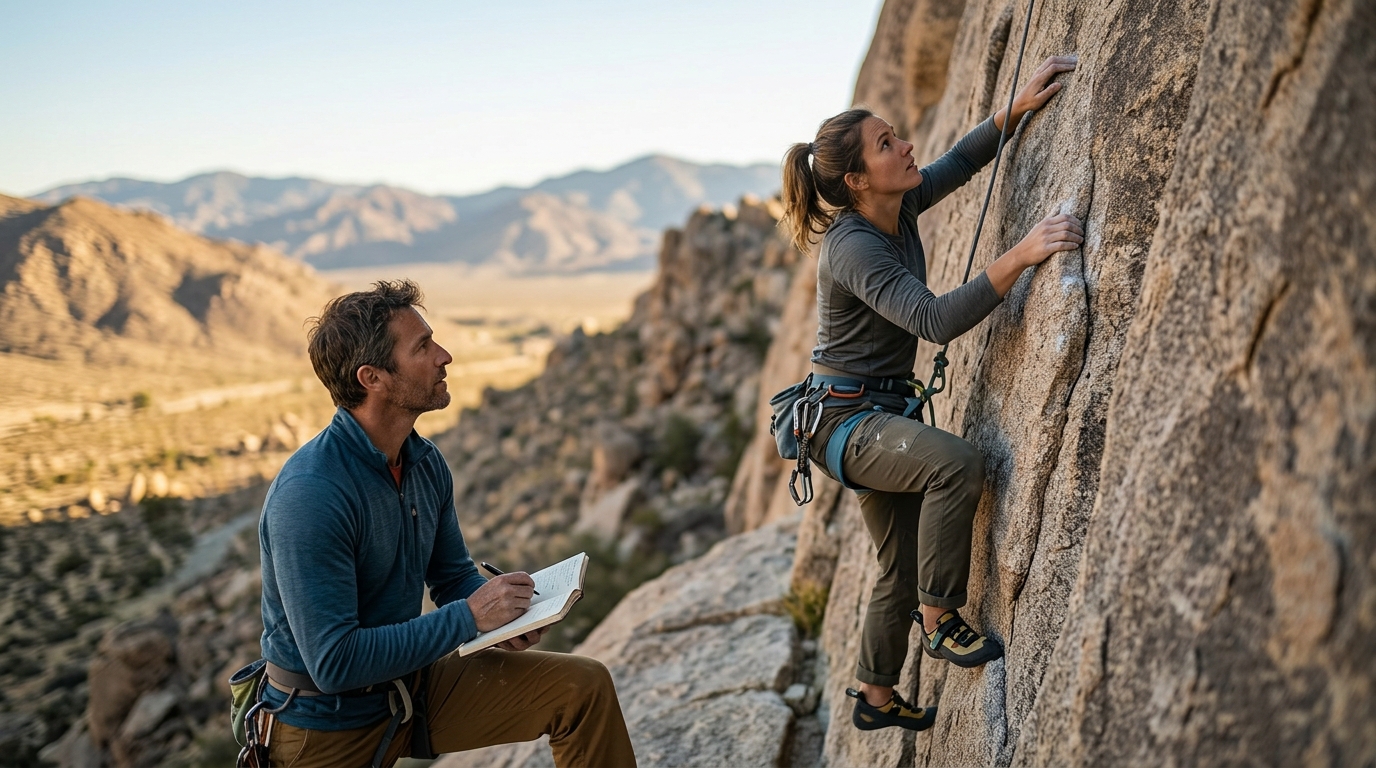
Finding the right climbing coach is the single most effective way to break through plateaus and accelerate your progress. According to industry data, structured training programs can improve climbing efficiency and reduce injury rates by up to 30% compared to unstructured gym sessions. This statistic highlights why professional guidance is no longer a luxury but a necessity for serious athletes. Whether you are aiming to flash your first V5 or prepare for a World Cup competition, the right mentor provides the technical precision and psychological support required for elite performance.
Verify Credentials and Experience
The first step in your search is validating the coach's background. Climbing is a specialized sport with distinct disciplines, including bouldering, sport climbing, and competition climbing. A coach who excels in one area may not be the best fit for another. Look for coaches who have competed at high levels or have extensive teaching experience in your specific discipline.
For example, Coach Charlie Schreiber, the founder of Paradigm Climbing, brings over 20 years of experience, including competition at the World Cup level and climbing up to V13 and 5.14a. His background in competitive climbing ensures he understands the nuances of high-performance training. Similarly, Mattias Braach-Maksvytis offers 22 years of outdoor and competition experience, specializing in bouldering and first ascensions. These credentials are not just bragging rights; they indicate a deep understanding of movement mechanics and injury prevention.
When reviewing profiles, check for certifications such as the Certified Strength and Conditioning Specialist (CSCS). This certification ensures the coach understands the physiological aspects of training, including periodization and load management. A coach with a CSCS credential can design programs that optimize performance while minimizing the risk of overtraining. For more insights on training protocols, you can explore resources on climbing training strategies.
Define Your Specific Climbing Goals
Before contacting a coach, you must clearly define what you want to achieve. Climbing goals vary widely, from improving technique for indoor bouldering to building endurance for multi-pitch sport routes. Your goals will dictate the type of coach you need.
If you are a beginner, look for a coach who specializes in foundational movement patterns and safety. If you are an advanced climber aiming for a specific grade, you need a coach with experience in high-level bouldering or sport climbing. For competition climbers, a coach with a background in route setting and competitive strategy is essential. Matt Ratajczak, a professional routesetter and coach based in Albuquerque, specializes in developing competitors at the national level. His expertise is particularly valuable for athletes preparing for Team USA or other competitive circuits.
Understanding your goals also helps in selecting the right training plan. Some climbers prefer personalized coaching, while others benefit from structured, pre-written programs. The Full Spectrum series offers a structured approach for climbers looking to overcome plateaus with varied training sessions and technical drills.
Evaluate Coaching Methodology
A qualified coach does not just prescribe exercises; they explain the "why" behind the training. Effective coaching involves a holistic approach that addresses physical, mental, and technical aspects of climbing. Look for coaches who emphasize understanding movement mechanics rather than just following a routine.
Coach Charlie Schreiber’s methodology focuses on helping climbers understand why and how training works. This approach empowers athletes to take ownership of their progress and move beyond unstructured training. By controlling volume, duration, and load, a coach can optimize performance and prevent injury. This is crucial for long-term development, as overtraining is a common issue among dedicated climbers.
Additionally, consider the coach's use of technology. Video analysis is a powerful tool for identifying technical flaws. Coaches who use video feedback can provide precise corrections that are difficult to convey verbally. This method accelerates learning and ensures that you are practicing the correct movements. For more information on training techniques, visit the Paradigm Climbing blog.
Compare Service Models
Coaching services come in various formats, each with its own benefits. Understanding these differences will help you choose the right option for your budget and schedule.
| Service Model | Description | Best For |
|---|---|---|
| Custom Training Plans | Personalized programs designed for specific goals and schedules. | Athletes with unique needs or competition prep. |
| Pre-Written Plans | Structured programs like the Full Spectrum series for consistent training. | Climbers seeking a proven, structured routine. |
| 1-on-1 Coaching | In-person or virtual sessions with direct feedback and video analysis. | Technical improvement and immediate feedback. |
| Group Clinics | Workshops focusing on specific skills like bouldering coordination. | Social learning and skill-specific drills. |
Custom plans offer the highest level of personalization but come at a premium price. Pre-written plans are more affordable and provide a solid foundation for many climbers. One-on-one coaching is ideal for rapid technical improvement, while group clinics offer a collaborative learning environment. For more details on available plans, check the training plans page.
The Importance of Initial Assessment
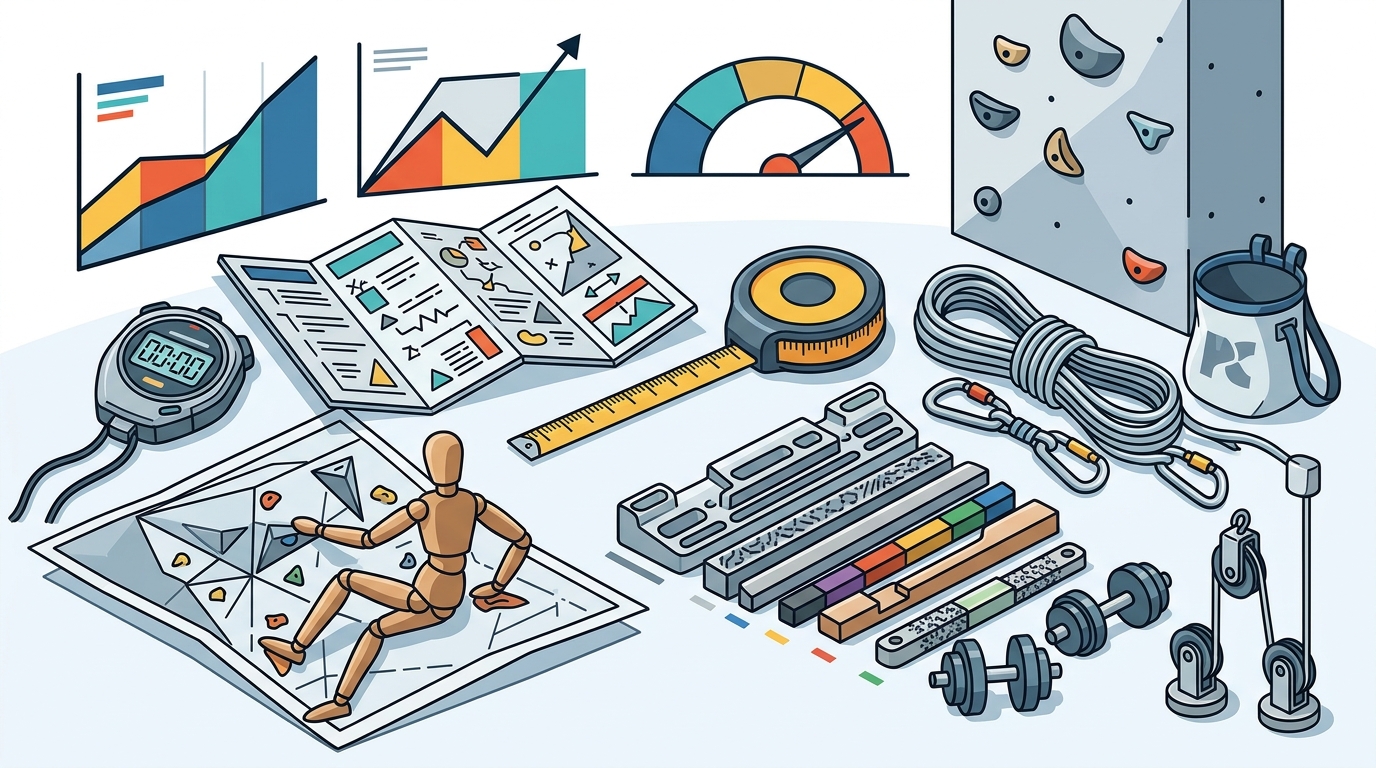
A professional coach will always start with an assessment. This initial evaluation helps them understand your current fitness level, climbing history, and specific weaknesses. Without this step, any training program is essentially a guess.
During the assessment, the coach will analyze your movement patterns, strength, and flexibility. They may also discuss your lifestyle factors, such as sleep and nutrition, which impact performance. This holistic approach ensures that the training program is sustainable and effective. Coach Mattias Braach-Maksvytis combines strength training, technique, and tactics to improve overall power and foot tension. His background in physical therapy allows him to address injury prevention proactively.
If a coach skips the assessment phase, it is a red flag. Quality coaching is built on data and individualized analysis. For more insights on avoiding overtraining, read the article on strategies to stop overtraining.
Key Takeaways
- Verify Credentials: Look for coaches with competition experience and certifications like CSCS.
- Match Goals: Ensure the coach specializes in your specific climbing discipline.
- Evaluate Methodology: Choose coaches who explain the "why" and use video analysis.
- Check Service Models: Decide between custom plans, pre-written programs, or 1-on-1 coaching.
- Require Assessment: A qualified coach will always start with a detailed evaluation.
- Holistic Approach: Look for coaches who address physical, mental, and lifestyle factors.
- Proven Results: Check testimonials and success stories from past clients.
Frequently Asked Questions
What qualifications should a rock climbing coach have?
A qualified coach should have a strong climbing background, preferably with competition experience, and relevant certifications such as CSCS. They should also demonstrate a clear coaching methodology and a history of helping clients achieve their goals.
How do I know if a coach is right for my level?
Review the coach's experience with climbers at your specific grade or discipline. A coach who specializes in elite competition may not be the best fit for a beginner, and vice versa. Look for testimonials from climbers with similar backgrounds.
What is the difference between custom and pre-written training plans?
Custom plans are tailored to your specific goals, schedule, and weaknesses, offering maximum personalization. Pre-written plans, like the Full Spectrum series, provide a structured, proven routine that is more affordable and consistent.
How often should I train with a coach?
The frequency depends on your goals and schedule. Some climbers benefit from weekly 1-on-1 sessions, while others may prefer monthly check-ins with a custom plan. Consistency is key, so choose a frequency that you can maintain long-term.
Can a coach help me prevent climbing injuries?
Yes, a qualified coach designs programs that balance load and recovery to prevent overtraining and injury. They focus on proper technique and strength balance, which are critical for joint health and longevity in the sport.
What is video analysis in climbing coaching?
Video analysis involves recording your climbing sessions to identify technical flaws and movement inefficiencies. This feedback allows for precise corrections that accelerate learning and improve performance.
How much does a climbing coach cost?
Costs vary based on the coach's experience and the service model. Custom plans and 1-on-1 coaching are typically more expensive than pre-written programs. However, the investment often yields faster progress and better results.
Start Your Journey
Finding the right coach is the first step toward reaching your climbing potential. Whether you need custom training, pre-written plans, or personal coaching, the experts at Paradigm Climbing are ready to help. Contact Coach Charlie Schreiber today to discuss your goals and find the perfect training path for you. Visit the contact page to get started.