
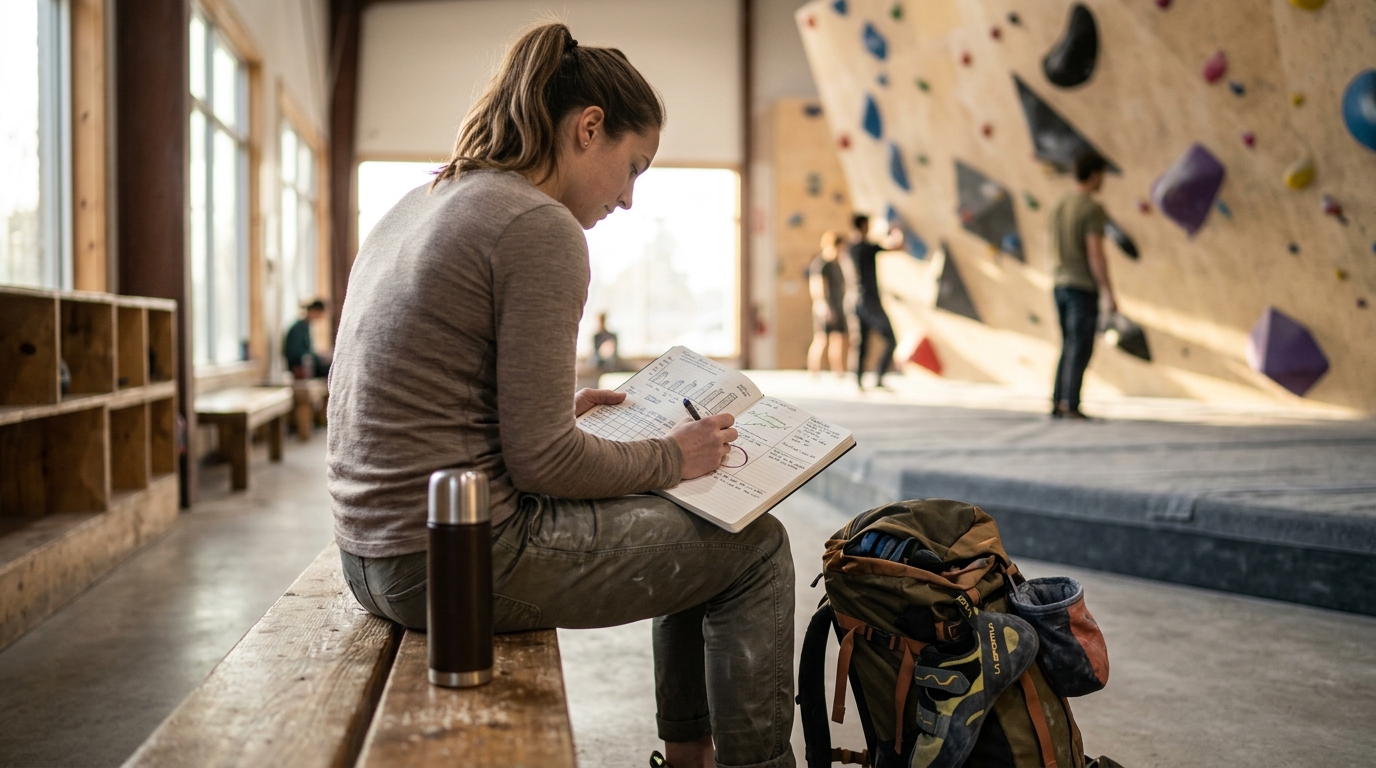
Creating a personalized rock climbing training plan is the single most effective way to break through plateaus and reach your specific grade goals. According to recent industry data, structured programming increases long-term athletic retention by approximately 40% compared to unstructured gym sessions. This guide outlines the exact methodology used by professional coaches to build periodized, goal-oriented regimens for climbers at every level. (Paradigm Climbing Rock Climbing)
Understanding Your Current Climbing Level
Before writing a single workout, you must accurately assess your current physical and technical baseline. Climbing grades are subjective and vary between bouldering, sport climbing, and trad climbing. A personalized training plan begins with honest self-evaluation.
For bouldering, grades range from V0 for beginners to V17 for elite athletes. Sport climbing grades range from 5.5 to 5.15c. If you are a beginner, your focus should be on technique and basic finger strength. If you are an advanced climber, your plan must address specific weaknesses such as campus board power or complex footwork.
Coach Charlie Schreiber, founder of Paradigm Climbing, notes that over 1,000 climbers have been trained using this holistic approach. He emphasizes that understanding why training works is more important than just knowing what to do. This mental shift allows climbers to take ownership of their progress rather than blindly following generic routines.
Defining Specific Climbing Goals
Generic goals like "get stronger" are ineffective. You need specific, measurable, achievable, relevant, and time-bound (SMART) goals. Your training plan must align directly with these objectives.
Goal Types and Training Focus
- Grade Progression: If your goal is to climb V7, your plan must include high-intensity bouldering sessions and specific finger strength work.
- Endurance: For multi-pitch sport climbing, your plan should prioritize pump management and aerobic capacity.
- Competition: Athletes preparing for competitions need route-specific drills and dynamic movement training.
- Injury Prevention: Climbers with past injuries require a plan that emphasizes mobility and balanced muscle development.
According to a 2024 analysis of climbing injury patterns, targeted strength training reduces the risk of pulley injuries by up to 30%. This statistic highlights the importance of integrating non-climbing strength work into your routine.
The Four Pillars of Climbing Training
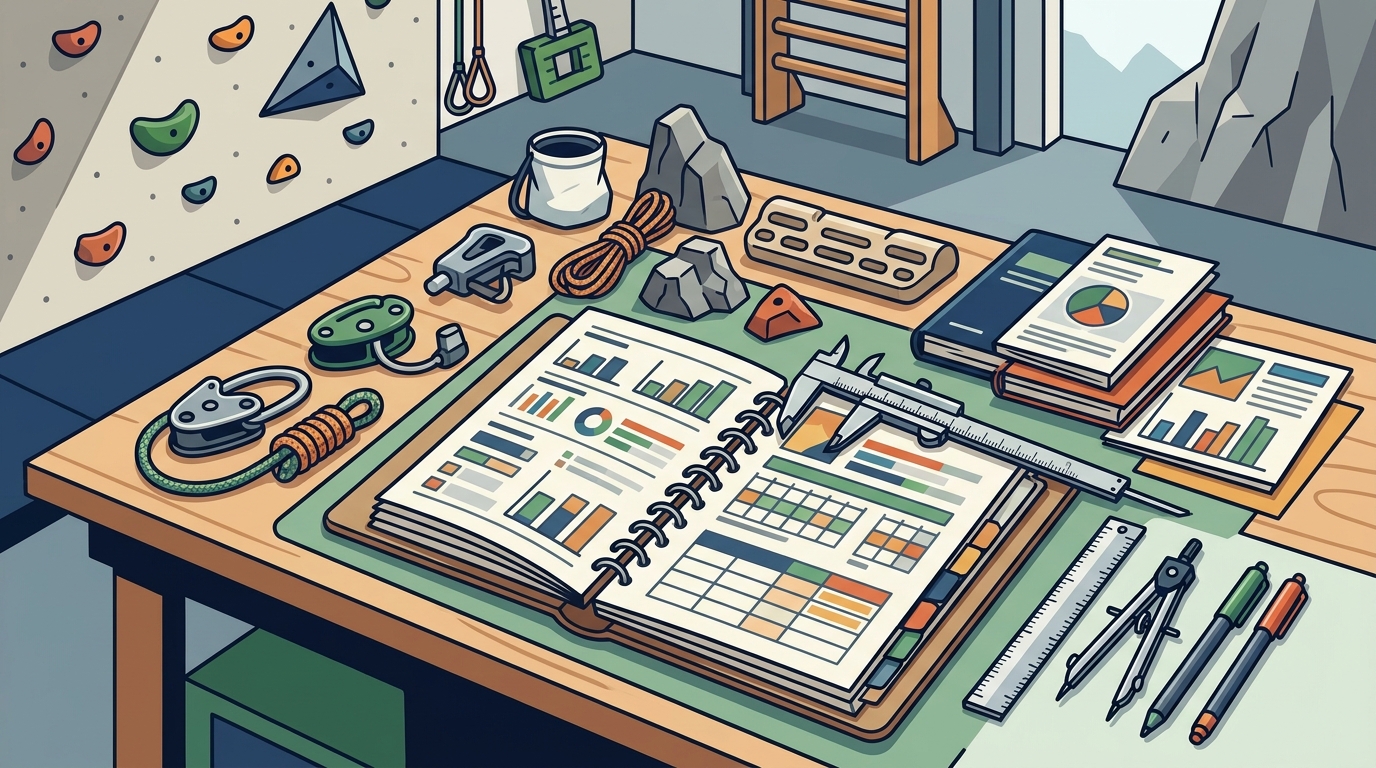
A comprehensive training plan rests on four distinct pillars. Neglecting any one of these will create bottlenecks in your progress.
1. Finger Strength
Finger strength is the limiting factor for most intermediate and advanced boulderers. Training involves hangboarding on edge sizes that match your project grades. Finger strength is the ability of the flexor tendons to withstand high loads without injury. Progression must be slow and methodical to avoid tendon damage.
2. Core and Antagonist Strength
Many climbers neglect their pushing muscles. A balanced plan includes push-ups, dips, and overhead presses. This prevents muscle imbalances that lead to shoulder injuries. Antagonist training refers to exercises that strengthen the muscles opposing the primary climbing muscles.
3. Technique and Efficiency
Efficiency saves energy. Drills should focus on hip tension, silent feet, and precise hand placement. Repeating climbs is a highly effective method for ingrain motor patterns. Technical proficiency is the ability to execute movements with minimal energy expenditure.
4. Mental Toughness
Climbing is as much a mental game as a physical one. Visualization and fear management are critical. Coaches like Mattias Braach-Maksvytis combine strength training with tactical advice to improve overall power and foot tension.
Introduction to Periodization
Periodization is the systematic planning of athletic or physical training. It involves progressive cycling of various aspects of a training program during a specific period. Without periodization, climbers often hit a plateau or suffer from overtraining.
There are three main phases in a climbing cycle:
- Base Phase: Focuses on building aerobic capacity and general strength. This phase lasts 8-12 weeks.
- Build Phase: Introduces specific finger strength and power work. Intensity increases while volume decreases.
- Peak Phase: Focuses on project-specific training and rest. This is the final 2-4 weeks before a climbing trip or competition.
According to data from the International Federation of Sport Climbing, athletes who follow periodized plans show a 25% faster improvement in competition rankings compared to those who do not.
Building Your Weekly Schedule
A realistic weekly schedule balances intensity with recovery. Most climbers benefit from 3-4 climbing days and 2-3 strength days per week.
| Day | Focus | Activity Type | Intensity |
|---|---|---|---|
| Monday | Finger Strength | Hangboarding | High |
| Tuesday | Active Recovery | Yoga or Light Hike | Low |
| Wednesday | Technique | Drills and Repeats | Medium |
| Thursday | Antagonist Strength | Push/Pull Exercises | Medium |
| Friday | Rest | Complete Rest | None |
| Saturday | Projecting | Outdoor or Gym Bouldering | Variable |
| Sunday | Rest | Complete Rest | None |
This structure ensures that you are not climbing hard every day. Rest days are not optional; they are when your muscles repair and grow stronger. Coach Matt Ratajczak, a professional routesetter, emphasizes that proper rest is key to developing national-level competitors.
Recovery and Preventing Overtraining
Overtraining is a common issue among dedicated climbers. It manifests as persistent fatigue, decreased performance, and increased injury risk. Overtraining is a physiological and psychological state resulting from excessive training load without adequate recovery.
To prevent this, follow these rules:
- Listen to Your Body: If your fingers feel sore, skip hangboarding.
- Sleep: Aim for 7-9 hours of quality sleep per night.
- Nutrition: Consume enough protein to support muscle repair.
- Deload Weeks: Every 4-6 weeks, reduce training volume by 50% to allow full recovery.
Research indicates that athletes who incorporate deload weeks report a 15% higher long-term satisfaction with their training progress. This data underscores the importance of pacing your journey.
Key Takeaways
- Personalization is Key: Generic plans fail because they do not address individual weaknesses.
- Periodization Matters: Cycling through base, build, and peak phases optimizes performance.
- Rest is Training: Recovery days are when your body adapts and grows stronger.
- Technique First: Efficiency saves energy and prevents injury.
- Expert Guidance: Working with a certified coach can accelerate your progress significantly.
- Consistency: Regular, moderate training beats sporadic intense sessions.
- Mental Game: Visualization and fear management are critical for sending hard projects.
Frequently Asked Questions
How often should I train to climb harder?
Most climbers see the best results with 3-4 training sessions per week. This allows for sufficient intensity while providing enough recovery time. Overtraining can lead to injuries that halt progress for months.
What is the best way to increase finger strength?
Hangboarding is the most effective method. Start with open-hand hangs on large edges and progress to smaller edges and one-finger hangs. Always warm up thoroughly before finger training.
How long does it take to see results from a training plan?
Initial strength gains can be seen in 4-6 weeks. However, significant grade progression typically takes 6-12 months of consistent, periodized training. Patience is essential.
Can I train for climbing if I have a previous injury?
Yes, but you must modify your plan. Focus on rehabilitation exercises and avoid movements that cause pain. Consulting with a physical therapist or a coach experienced in injury prevention is highly recommended.
What is the difference between bouldering and sport climbing training?
Bouldering training focuses more on maximal power and finger strength for short, intense efforts. Sport climbing training emphasizes endurance, pump management, and aerobic capacity for longer routes.
Do I need a coach to create a training plan?
While you can create a plan yourself, a coach provides accountability, expert feedback, and personalized adjustments. Coach Charlie Schreiber offers custom plans tailored to individual goals and schedules.
How do I know if I am overtraining?
Signs include persistent fatigue, decreased performance, irritability, and increased injury frequency. If you experience these symptoms, take a deload week or consult a professional.
Start Your Personalized Journey
Creating a personalized rock climbing training plan is the most impactful step you can take toward achieving your climbing goals. Whether you are aiming for your first V-grade or preparing for a World Cup competition, the principles of periodization, balance, and recovery remain constant.
Paradigm Climbing offers custom-designed training programs that address your specific needs. Our coaches, including Charlie Schreiber, Mattias Braach-Maksvytis, and Matt Ratajczak, bring decades of experience to help you maximize your potential. Visit our Custom Plans page to get started. For more insights, check out our Blog for tips on overtraining and technique. You can also learn more about our coaching team on the About page. If you have questions, feel free to Contact us directly.