
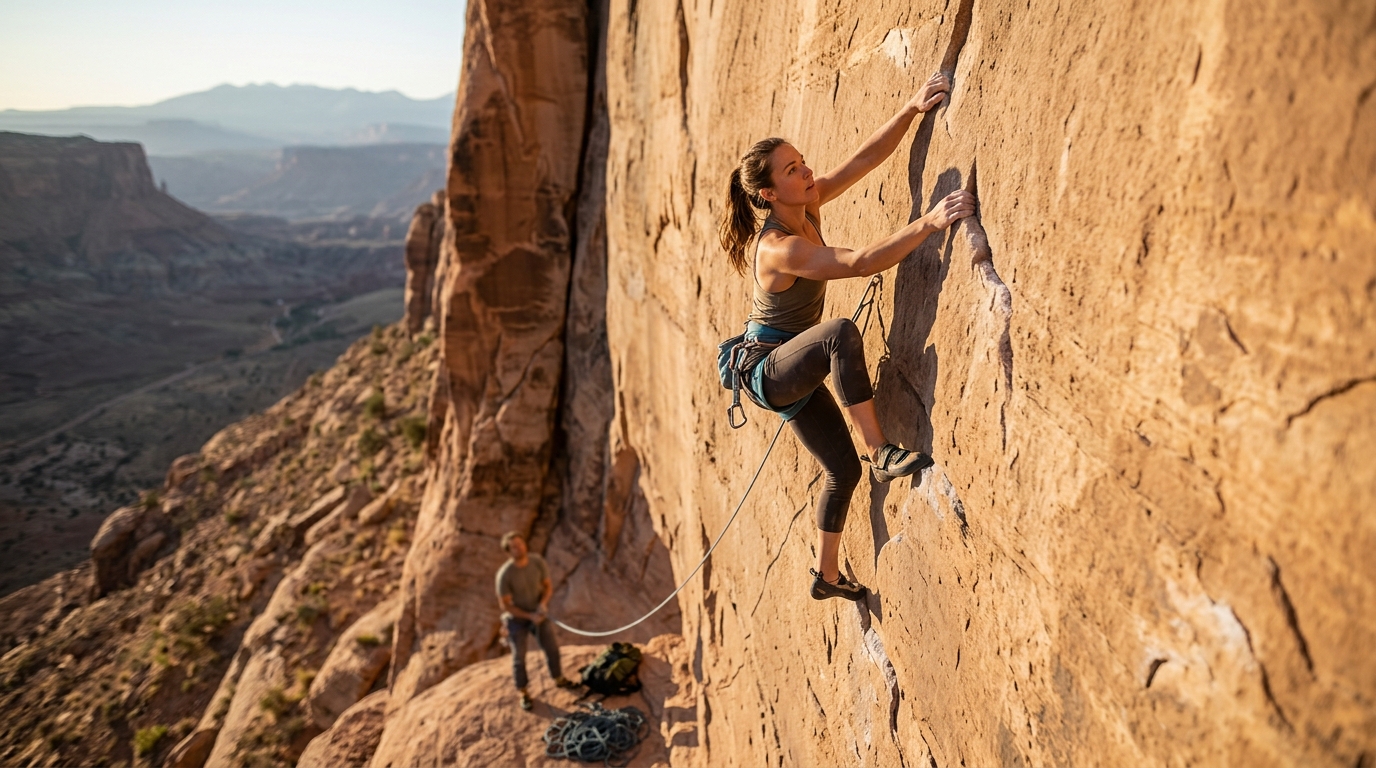
Modern climbing performance relies less on raw brute strength and more on kinetic efficiency. Data from elite training programs indicates that optimizing movement mechanics can reduce energy expenditure by up to 30 percent during sustained routes. This shift in focus allows athletes to conserve glycogen stores for the crux sections of difficult climbs. Understanding the biomechanics of efficient movement is the primary differentiator between a struggling climber and a fluid sender. This guide details five core techniques to elevate your climbing potential immediately.
Understanding Climbing Efficiency
Climbing efficiency is defined as the ratio of upward progress to energy expended. It is not merely about moving quickly but about moving with minimal wasted effort. When a climber relies on arm strength to pull their body weight, they fatigue rapidly. Conversely, efficient climbers use their skeletal structure to lock into position, allowing muscles to rest. This concept is central to the methodology taught by professional coaches at Paradigm Climbing, who emphasize long-term athlete development over short-term gains.
The foundation of this approach lies in understanding how your body interacts with the wall. Research in sports physiology confirms that proper biomechanics significantly delays the onset of muscular failure. By focusing on technique, you can climb grades that previously seemed impossible through strength alone. This holistic approach addresses physical and mental profiles to optimize performance over the short and long term.
Mastering Footwork Precision
Footwork is the most critical component of climbing efficiency. Your feet are your primary points of contact and support. Precise foot placement allows you to stand on the wall rather than hang from it. This technique reduces the load on your forearms and fingers, preserving strength for the next move.
The Art of Smearing and Edging
Different holds require different foot techniques. Smearing involves using the friction of your shoe rubber on featureless rock or plastic. This requires sensitivity and pressure control. Edging involves placing the toe or heel on small ledges. This demands stability and precise alignment. Mastering both techniques ensures you can utilize every available hold effectively.
Quiet Feet
A common indicator of poor technique is loud, slapping feet. Quiet feet indicate controlled movement and precise placement. When you place your foot silently, you are engaging your core and stabilizing your center of gravity. This control is essential for maintaining balance on steep terrain. For more insights on movement mechanics, explore the Paradigm Climbing Blog.
Hip Alignment and Close-to-Wall Climbing
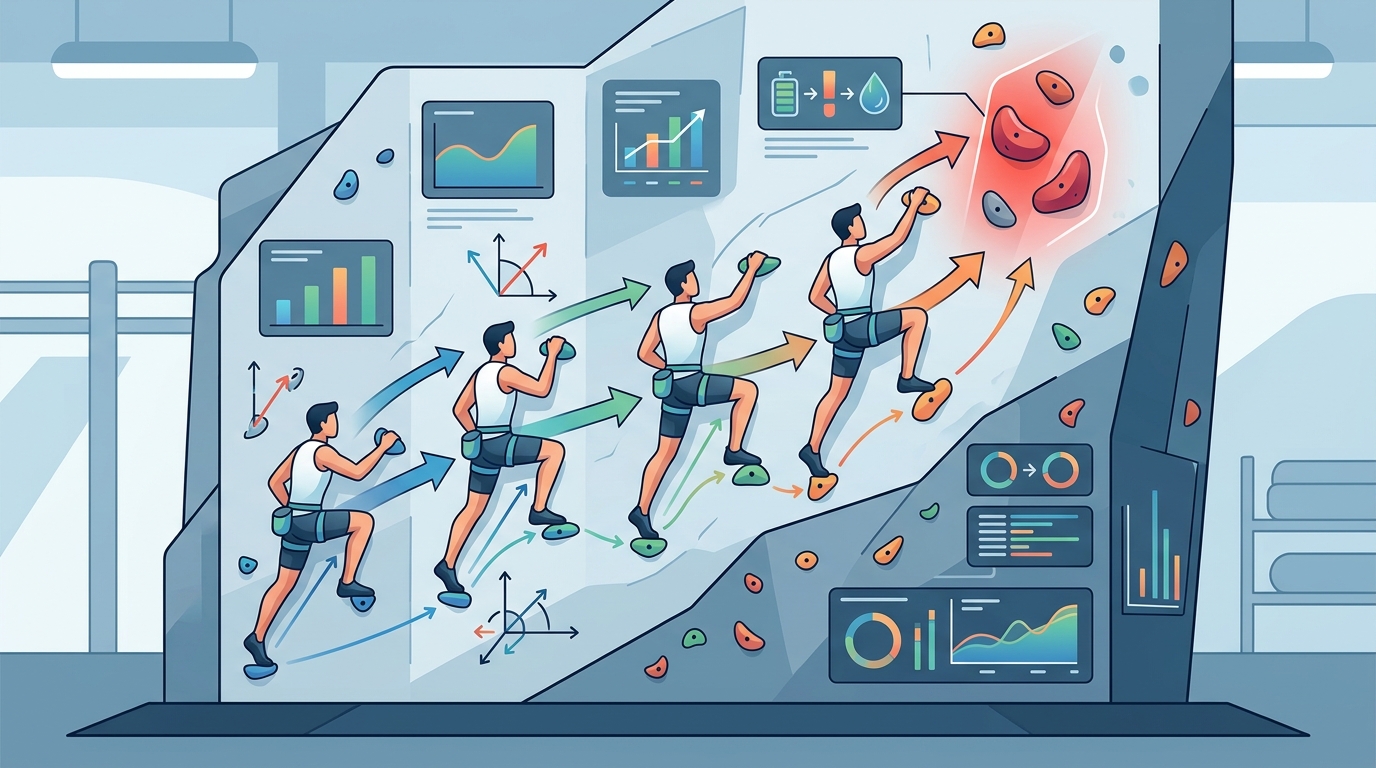
Hip alignment determines your center of gravity relative to the wall. Keeping your hips close to the wall reduces the lever arm effect, making holds feel lighter. When your hips swing out, you increase the distance between your center of mass and the wall, requiring significantly more arm strength to compensate.
Flagging and Counter-Flagging
Flagging is a technique used to maintain balance when your hips cannot stay close to the wall. By extending one leg out to the side, you create a counterbalance that allows your other foot to remain effective. This technique is vital for dynamic moves and reaching distant holds. It prevents your hips from swinging away from the wall, which is a common cause of falls.
Heel Hooks and Toe Hooks
Hooks allow you to use your feet as hands. A heel hook involves catching the heel of your shoe on a hold or edge to pull your hips in. This technique is particularly useful on overhanging terrain. It effectively turns your feet into additional anchor points, reducing the strain on your arms. These advanced techniques are often covered in custom training programs designed for intermediate to advanced climbers.
Strategic Weight Transfer
Weight transfer is the process of shifting your body mass from one limb to another. Efficient climbers transfer weight smoothly and deliberately. This technique allows you to free a hand or foot for the next move without losing balance. Poor weight transfer results in flailing and unnecessary energy expenditure.
Shifting Your Center of Gravity
To transfer weight effectively, you must move your hips toward the side of the hold you are releasing. For example, if you are releasing your right hand, shift your hips to the left. This action unweights the right hand, making it easier to lift. This principle applies to all limbs. Consistent practice of this movement pattern builds muscle memory.
Dynamic vs. Static Movement
Static movement involves controlled, deliberate shifts in weight. Dynamic movement involves using momentum to reach distant holds. Both techniques are essential. Static movement conserves energy and improves precision. Dynamic movement allows you to reach holds that are otherwise inaccessible. Knowing when to use each technique is a hallmark of an experienced climber. For detailed breakdowns of these movements, check the training plans available on the site.
Core Engagement and Body Tension
Core engagement is the ability to maintain tension throughout your body. This tension connects your upper and lower body, allowing force to be transferred efficiently. Without core engagement, your body becomes a series of disconnected segments, leading to energy leaks and poor balance.
Engaging the Transverse Abdominis
The transverse abdominis is the deepest layer of abdominal muscles. Engaging this muscle pulls your navel toward your spine, stabilizing your torso. This stabilization is crucial for maintaining balance on small holds. It also protects your lower back from injury during intense climbing sessions. Regular core strengthening exercises can enhance this ability.
Body Tension on Overhangs
On overhanging terrain, body tension is even more critical. You must maintain contact with the wall using your feet and hips while reaching for the next hold. This requires significant core strength and flexibility. Practicing specific drills that isolate core engagement can improve your performance on steep routes. These drills are often included in pre-written training plans for climbers looking to break through plateaus.
Integrating Techniques into Training
Improving efficiency requires deliberate practice. Random climbing sessions rarely lead to significant technical improvements. Structured training allows you to focus on specific aspects of your movement. At Paradigm Climbing, coaches emphasize the importance of periodized training protocols to optimize performance.
| Technique | Primary Benefit | Recommended Drill | Target Audience |
|---|---|---|---|
| Footwork Precision | Reduces forearm fatigue | Quiet Feet Drills | All Levels |
| Hip Alignment | Improves reach and balance | Flagging Exercises | Intermediate+ |
| Weight Transfer | Enhances movement fluidity | Static Movement Practice | All Levels |
| Core Engagement | Stabilizes body tension | Hanging Leg Raises | Advanced |
Coaches like Charlie Schreiber, who has trained over 1000 climbers, advocate for a holistic approach that includes video analysis. Video analysis allows climbers to see their mistakes objectively. This feedback loop is essential for correcting technical flaws. By working with a certified coach, you can accelerate your progress and avoid common pitfalls.
Key Takeaways
- Efficiency Over Strength: Optimizing movement mechanics can reduce energy expenditure by up to 30 percent.
- Footwork is Foundational: Precise foot placement allows you to stand on the wall, preserving arm strength.
- Hips Close to the Wall: Keeping hips close reduces the lever arm effect, making holds feel lighter.
- Flagging for Balance: Extending a leg out to the side counterbalances your hips, preventing them from swinging away.
- Core Stability: Engaging the transverse abdominis stabilizes the torso and transfers force efficiently.
- Deliberate Practice: Structured training with video analysis accelerates technical improvement.
- Professional Guidance: Coaches with extensive experience, such as those at Paradigm Climbing, provide personalized feedback.
Frequently Asked Questions
How long does it take to improve climbing efficiency?
Improvement timelines vary based on current skill level and training consistency. Most climbers see noticeable improvements in movement fluidity within 8 to 12 weeks of focused practice. Long-term mastery requires ongoing refinement and adaptation to new climbing styles.
Is footwork more important than finger strength?
For most climbers, footwork is more critical for overall efficiency. Poor footwork forces the arms to compensate, leading to premature fatigue. While finger strength is necessary for advanced grades, efficient footwork allows you to climb harder grades with less effort.
What is the best way to practice hip alignment?
Practice flagging exercises on easy routes. Focus on keeping one hip close to the wall while extending the other leg for balance. This isolates the hip muscles and teaches you to control your center of gravity. Video analysis can help verify your form.
Can core strength alone improve my climbing?
Core strength is essential, but it must be combined with proper technique. Strength without technique leads to inefficient movement patterns. Integrating core exercises with climbing-specific drills ensures that your strength translates to on-wall performance.
How does video analysis help climbers?
Video analysis provides objective feedback on movement patterns. Climbers often have a different perception of their body position than reality. Watching themselves climb allows them to identify flaws in foot placement, hip alignment, and weight transfer. This insight is crucial for targeted improvement.
What is the difference between static and dynamic movement?
Static movement involves controlled, deliberate shifts in weight. Dynamic movement uses momentum to reach distant holds. Static movement conserves energy and improves precision. Dynamic movement allows access to holds that are otherwise unreachable. Both are essential for a well-rounded climbing skill set.
Why is quiet feet important?
Quiet feet indicate controlled movement and precise placement. Loud, slapping feet often result from rushing or poor balance. By focusing on placing your feet silently, you engage your core and stabilize your body. This control is vital for maintaining balance on steep terrain.
Start Your Custom Training Plan
Ready to transform your climbing? Custom designed climbing training programs at Paradigm Climbing are tailored to your specific goals and skill level. Whether you are a beginner or an elite athlete, our coaches provide the expertise needed to maximize your potential. Contact us today to schedule your consultation and begin your journey to climbing efficiency.