
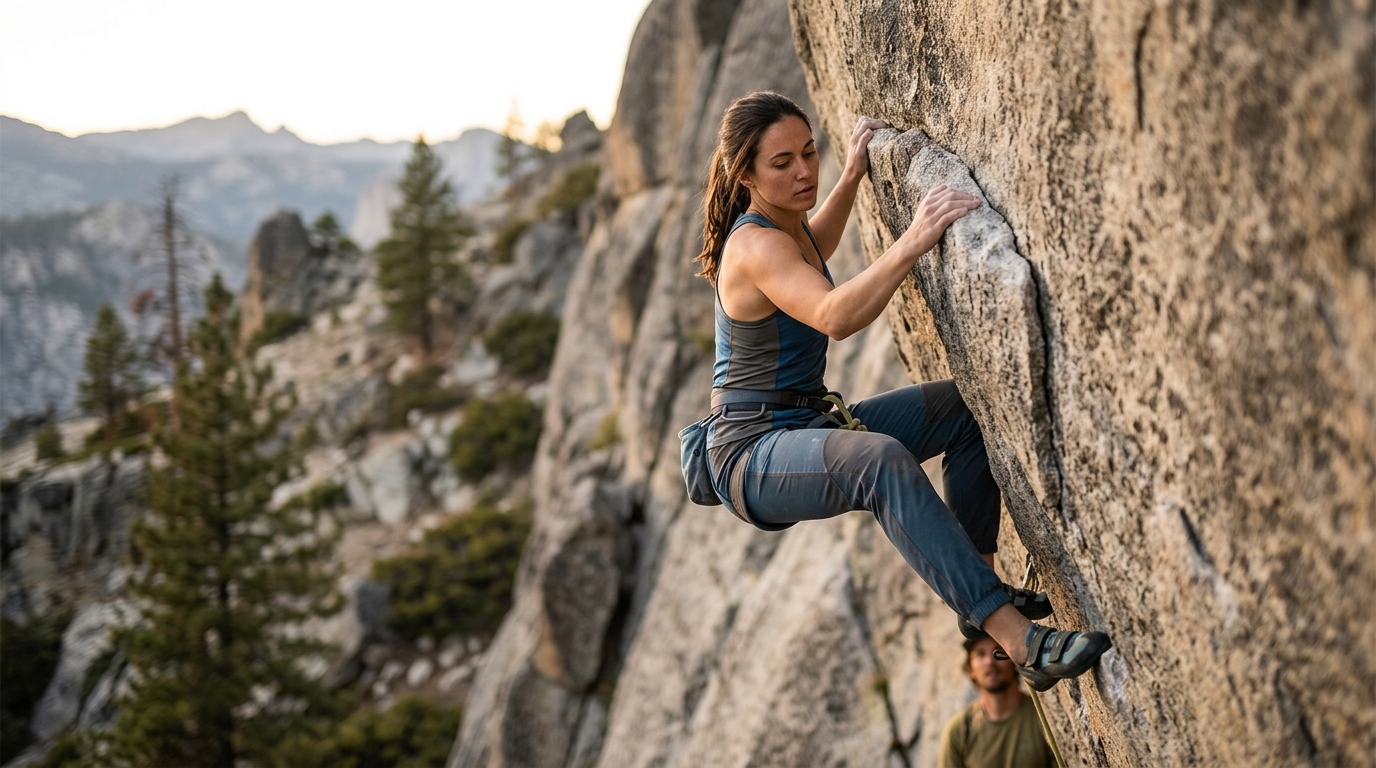
Modern climbing performance relies heavily on biomechanical efficiency rather than raw muscular strength. Research in sports biomechanics indicates that elite climbers utilize significantly less energy to complete routes than intermediate climbers. This disparity stems from superior technique, body positioning, and mental focus. By shifting your training focus from pure strength to technical precision, you can extend your endurance and tackle harder grades. This guide outlines the core methodologies used by professional coaches to optimize climbing movement.
Understanding Climbing Efficiency
Climbing efficiency is defined as the ratio of upward progress to energy expenditure. When climbers rely too heavily on their arms, they deplete their anaerobic energy stores rapidly, leading to premature pump and failure. Studies on energy systems show that aerobic capacity is the limiting factor for most sport climbers on routes longer than ten pitches. Therefore, developing a technique that minimizes arm tension is critical for longevity on the wall.
Paradigm Climbing emphasizes a holistic approach to this problem. Coach Charlie Schreiber, a certified strength and conditioning coach, notes that unstructured training often leads to overtraining because climbers lack periodized protocols. His blog posts frequently address how controlling volume and load prevents injury while improving performance. Understanding the "why" behind training movements allows climbers to take ownership of their progress rather than blindly following a routine.
Footwork Mastery and Precision
The foundation of efficient climbing lies in the feet. Precise foot placement reduces the need for upper body strength to hold your body weight. When your feet are placed accurately, you can transfer your weight directly through your legs, which are significantly stronger than your arms.
Stepping Up vs. Dragging
One common error is dragging the foot up the wall. Instead, climbers should practice stepping up, where the toe is placed firmly on the hold before shifting weight. This technique engages the large muscles of the quadriceps and glutes. Physiological data confirms that the quadriceps can generate force far exceeding that of the forearm flexors, making them the primary engine for vertical movement.
Toe Placement and Sensitivity
Developing sensitivity in the toes allows climbers to feel the texture of the rock or hold. This tactile feedback enables micro-adjustments that maintain balance. Coaches like Mattias Braach-Maksvytis, who has spent over 15 years bouldering abroad, emphasize that foot tension and lower body utility are key to reaching climbing goals. His approach combines strength training with technical drills to enhance this sensitivity.
Hip Alignment and Center of Gravity
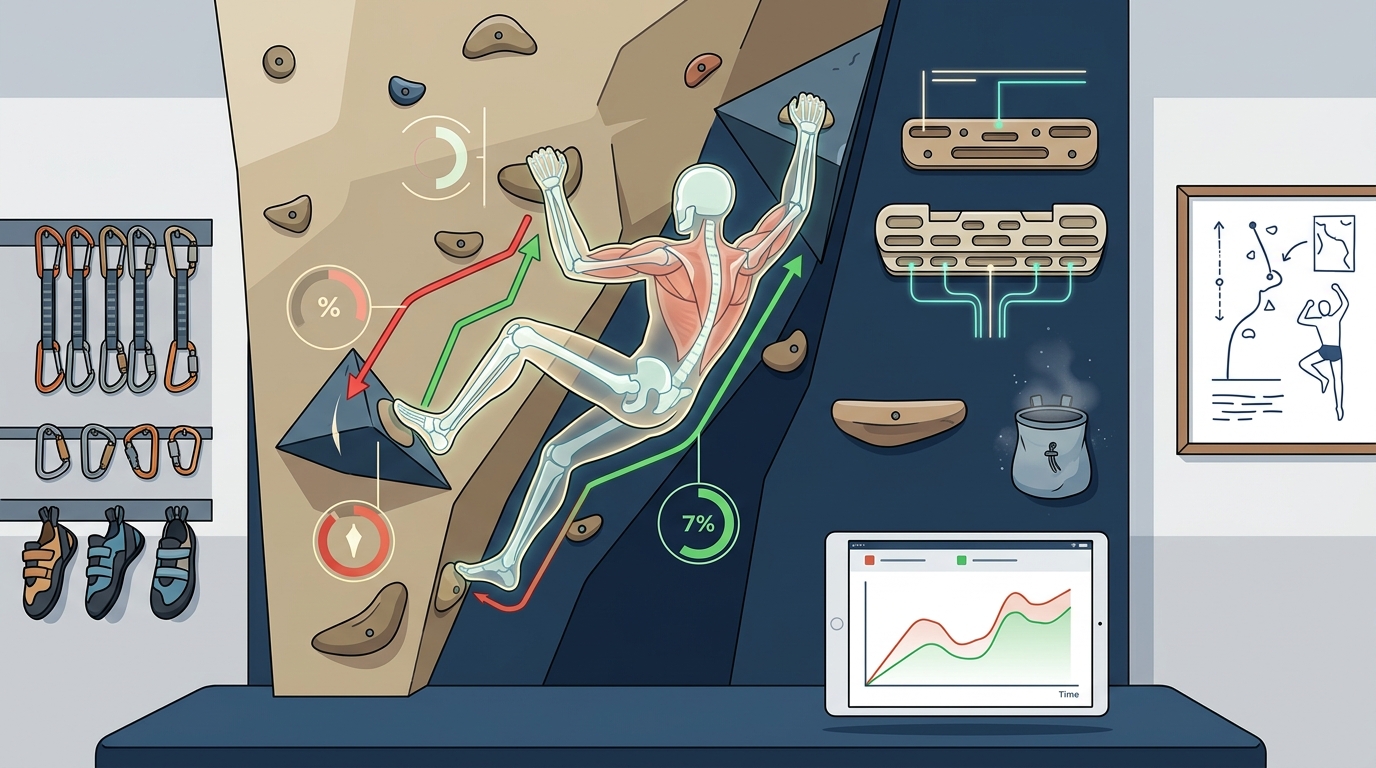
Hips are the steering wheel of your climbing body. Keeping your hips close to the wall reduces the lever arm effect, which otherwise places excessive strain on your fingers and forearms. When your hips are away from the wall, your center of gravity shifts, forcing your arms to work harder to maintain balance.
Flagging and Counter-Flagging
Flagging is a technique where one leg is extended out to the side to counterbalance the body. This allows climbers to reach distant holds without swinging or losing balance. Physics principles demonstrate that extending the leg creates a counter-torque that stabilizes the body. This technique is essential for open-faced moves and dynamic sequences.
Rotational Movement
Rotating the hips toward the wall allows for higher foot placements. This movement opens up the hip flexors, enabling climbers to step higher on the wall. Matt Ratajczak, a professional routesetter and coach, often uses video analysis to teach these movement mechanics. His work with Team USA athletes highlights the importance of rotational efficiency in national-level competition.
Strategic Arm Usage and Resting
Efficient climbers know when to rest their arms. This involves finding positions where the skeleton supports the body weight rather than the muscles. Learning to hang on locked-off positions with straight arms conserves energy for the next move.
Reading the Route
Before making a move, climbers should visualize the sequence. This mental rehearsal helps identify rest positions and optimal body placements. Insider strategies from professional climbers suggest that repeating climbs can level up your technique by allowing you to focus solely on movement quality.
Dynamic vs. Static Movement
Choosing between dynamic (dyno) and static movements depends on the hold size and distance. Dynamic moves can bypass difficult static sequences but require precise timing and power. Static moves are generally more efficient for conserving energy. Coach Charlie Schreiber’s training programs often include drills to help climbers decide which movement style is appropriate for a given section.
Training Programs for Technique
Improving technique requires structured training that isolates specific movements. Paradigm Climbing offers custom training plans designed to address individual weaknesses. These plans incorporate periodized protocols to optimize performance and prevent overtraining.
Custom vs. Pre-Written Plans
Custom plans are tailored to the climber’s specific goals, whether it is bouldering, sport climbing, or competition. Pre-written plans, such as the Full Spectrum series, provide a structured approach for climbers of all levels. These plans include varied climbing sessions, technical drills, and mobility programs to ensure comprehensive development.
Video Analysis
Video analysis is a powerful tool for identifying technical flaws. By reviewing footage, climbers can see errors in their foot placement, hip alignment, and arm usage. Coach Charlie specializes in instructing technique using video analysis to teach proper movement mechanics. This personalized feedback accelerates the learning process.
Key Takeaways
- Biomechanical Efficiency: Elite climbers use less energy by optimizing body positioning and reducing arm tension.
- Footwork Precision: Accurate foot placement transfers weight to the stronger leg muscles, conserving forearm energy.
- Hip Alignment: Keeping hips close to the wall reduces the lever arm effect and improves balance.
- Flagging Technique: Extending the leg counterbalances the body, allowing for higher reaches and stability.
- Periodized Training: Structured training protocols prevent overtraining and optimize long-term performance.
- Video Analysis: Reviewing footage helps identify and correct technical flaws in real-time.
- Coach Expertise: Working with certified coaches like Charlie Schreiber provides personalized guidance and support.
Frequently Asked Questions
How can I improve my footwork for climbing?
Focus on placing your toes precisely on holds and stepping up rather than dragging your feet. Practice balancing on one foot to develop stability and sensitivity.
What is the importance of hip alignment in climbing?
Hip alignment reduces the strain on your arms by keeping your center of gravity close to the wall. It also allows for higher foot placements and better balance.
How does video analysis help climbing technique?
Video analysis allows climbers to see their movements from an external perspective, identifying errors in foot placement, hip position, and arm usage that they might not feel.
What is the difference between custom and pre-written training plans?
Custom plans are tailored to individual goals and weaknesses, while pre-written plans offer a structured approach for climbers of all levels to follow.
Can technique improve my climbing grade?
Yes, improving technique can significantly enhance your climbing grade by allowing you to climb more efficiently and tackle harder routes with less fatigue.
How often should I practice technical drills?
Incorporate technical drills into your warm-up routine regularly. Consistent practice helps reinforce proper movement patterns and improves muscle memory.
What role does mental focus play in climbing efficiency?
Mental focus helps climbers visualize sequences, identify rest positions, and maintain calm under pressure, all of which contribute to efficient climbing.
Start Your Training Journey
Ready to transform your climbing? Contact Coach Charlie Schreiber to discuss your goals and create a custom training plan. Visit the Paradigm Climbing contact page to schedule a consultation. Explore the training plans to find the perfect program for your needs. Join the Paradigm Climbing blog for more tips and strategies.