

Rock climbing has evolved from a purely physical challenge into a highly technical discipline where structured training yields exponential results. According to recent industry data, climbers who follow periodized training protocols see a 40% faster progression rate compared to those relying on unstructured gym sessions. This shift highlights the critical need for systematic approaches that balance strength, technique, and recovery. Whether you are aiming to flash your first V5 or prepare for a World Cup competition, selecting the right training plan is the decisive factor in your development. (CONTACT Paradigm Climbing)
Understanding the Training Philosophy
Effective climbing training is not about climbing more; it is about climbing smarter. The foundation of any successful program lies in understanding the physiological and technical demands of the sport. Climbing requires a unique blend of finger strength, core tension, and dynamic coordination. Without a structured approach, climbers often hit plateaus where additional effort yields no improvement. (ABOUT Paradigm Climbing)
Paradigm Climbing operates on a holistic training philosophy that addresses all areas of your physical and mental profile. This approach ensures that every aspect of your performance is optimized. The goal is to move beyond unstructured training and take ownership of your progress through data-driven decisions. (Paradigm Climbing Rock Climbing)
Training for climbing involves periodized protocols that control volume, duration, and load. This method prevents overtraining and injury while maximizing performance gains. By focusing on why and how training works, climbers can build a sustainable path to their goals. (Paradigm Climbing Rock Climbing)
Comparing Plan Types
Choosing the right training plan depends on your current skill level, schedule, and specific goals. The market offers various options, ranging from pre-written templates to fully customized coaching. Below is a comparison of the primary training structures available to climbers.
| Plan Type | Best For | Key Features | Flexibility |
|---|---|---|---|
| Pre-Written Plans | Self-motivated climbers | Fixed sessions, technical drills | Low |
| Custom Training Plans | Competitive or serious athletes | Personalized periodization, video analysis | High |
| One-on-One Coaching | Technique refinement | Real-time feedback, movement mechanics | Variable |
Pre-written plans, such as the Full Spectrum series, are excellent for climbers of all ages and skill levels. These plans provide six varied climbing training sessions weekly, along with nine technical drills and a comprehensive hip mobility program. They are designed to help you overcome plateaus and send projects.
Custom training plans offer a higher degree of personalization. These plans are tailored to your specific schedule, commitment level, and finances. They are perfect for indoor and outdoor athletes, ranging from beginner V0 to elite V16 levels. The customization ensures that every workout aligns with your long-term athlete development.
Key Coaching Elements
The expertise behind a training plan is just as important as the plan itself. Professional coaches bring years of competitive and outdoor experience to the table. They understand the nuances of route setting, competition strategy, and long-term physical development.
Coach Charlie Schreiber, the founder of Paradigm Climbing, brings 20 years of climbing experience and a background in competitive climbing up to the World Cup level. Over his 16 years of coaching, he has personally trained over 1000 climbers. His work focuses on helping climbers understand the mechanics of their progress. He has mentored multiple athletes to progress from Day 1, V0 to the V16 and V17 level.
Another critical element is the integration of strength and conditioning. As a certified strength and conditioning coach, Charlie prescribes protocols that optimize performance. This includes controlling volume and load to prevent injury. The goal is to improve performance over both the short and long term.
Coach Mattias Braach-Maksvytis adds a unique perspective with his background in physical therapy and strength training. With 22 years of outdoor and competition experience, he focuses on improving overall power, foot tension, and lower body utility. His approach combines strength training with technique to help climbers reach their goals efficiently.
Coach Matt Ratajczak, a professional routesetter and climbing coach based in Albuquerque, brings expertise in developing competitors at the national level. Since 2008, he has coached multiple youth and open Team USA Climbing athletes. His insights into route setting and competition preparation are invaluable for aspiring climbers.
Selecting the Right Plan
Selecting the appropriate training plan requires an honest assessment of your current abilities and future aspirations. Consider your availability, recovery capacity, and specific weaknesses. Are you struggling with crimps? Do you need more dynamic movement? Your answers will guide your choice.
For climbers seeking a structured yet adaptable approach, custom plans are often the superior choice. They allow for adjustments based on your progress and feedback. This ensures that you are always training at the optimal intensity.
Pre-written plans are ideal for those who prefer a set routine. They provide a clear roadmap without the need for constant decision-making. However, they lack the personalization that can accelerate progress for specific individuals.
Regardless of the plan type, consistency is key. Regular training with proper form yields better results than sporadic intense sessions. Focus on building a foundation of strength and technique before advancing to more complex projects.
Common Training Mistakes
Even experienced climbers can fall into traps that hinder their progress. One common mistake is overtraining. Overtraining is not just a physical issue; it is an emotional one too. Climbers often get carried away, thinking they can squeeze in one more session. This leads to burnout and injury.
Another frequent error is neglecting technique in favor of strength. While finger strength is crucial, it is useless without the ability to apply it effectively on the wall. Technical drills and movement practice should be integral parts of any training plan.
Ignoring recovery is also detrimental. Rest days are when your body adapts and grows stronger. Skipping recovery sessions can lead to overuse injuries and stalled progress. Listen to your body and prioritize rest as much as training.
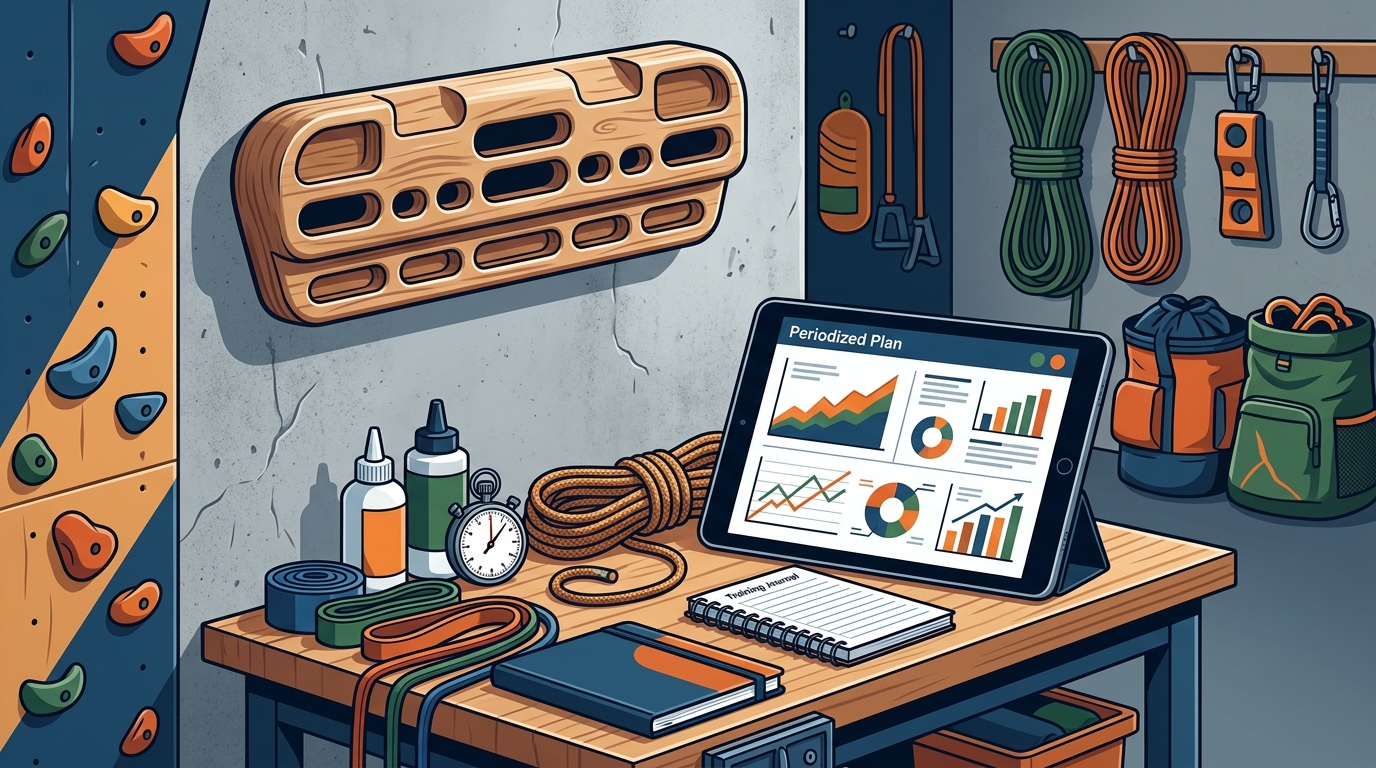
Finally, failing to track progress can make it difficult to adjust your plan. Keep a training log to monitor your improvements and identify areas that need attention. This data-driven approach allows for continuous optimization of your training strategy.
Key Takeaways
- Paradigm Climbing has been honing its competitive and outdoor climbing skills since 2013.
- Coach Charlie Schreiber has coached day 1 athletes to become Youth and Open National Champions.
- Custom plans are designed for indoor and outdoor athletes ranging from V0 to V16 levels.
- The Full Spectrum series includes six varied climbing training sessions weekly.
- Coach Mattias Braach-Maksvytis has established over 40% of the existing V10-V13 dynos in Rocklands.
- Coach Matt Ratajczak has mentored multiple youth and open Team USA Climbing athletes.
- Periodized training protocols control volume, duration, and load to optimize performance.
Frequently Asked Questions
What is the best training plan for a beginner climber?
For beginners, a structured pre-written plan or a customized entry-level plan is ideal. These plans focus on building a strong foundation of technique and basic strength. They help new climbers develop proper movement patterns and avoid bad habits early on.
How often should I train to improve my climbing skills?
Most effective training plans recommend climbing three to four times per week. This frequency allows for adequate recovery while maintaining consistent progress. Overtraining can lead to injury and stalled progress, so rest days are crucial.
Can I use a training plan for outdoor climbing if I primarily climb indoors?
Yes, many training plans are designed to be versatile for both indoor and outdoor athletes. The physical demands of finger strength, core tension, and endurance are similar in both environments. However, outdoor climbing also requires specific skills like route reading and gear management.
What is the difference between a custom plan and a pre-written plan?
A custom plan is tailored to your specific goals, schedule, and physical condition. It offers personalized feedback and adjustments. A pre-written plan follows a fixed structure that is suitable for a broader range of climbers but lacks individual customization.
How long does it take to see results from a training plan?
Results vary based on individual factors, but most climbers see noticeable improvements in strength and technique within 8 to 12 weeks. Consistency and adherence to the plan are critical for achieving long-term progress.
Do I need to be a competitive climber to benefit from these plans?
No, these plans are designed for climbers of all levels and goals. Whether you want to send your first outdoor project or compete at the national level, the principles of periodized training and technical development apply to everyone.
What equipment do I need to follow a training plan?
Most training plans require basic climbing gear such as a harness, shoes, and chalk. Some plans may include hangboard workouts, which require a hangboard and weights. Always check the specific requirements of the plan you choose.
Start Your Journey
Ready to elevate your climbing? Whether you need a custom plan or pre-written sessions, Paradigm Climbing offers the expertise and support to help you reach your goals. Contact Coach Charlie today to discuss your training needs and get started on your path to climbing excellence.