
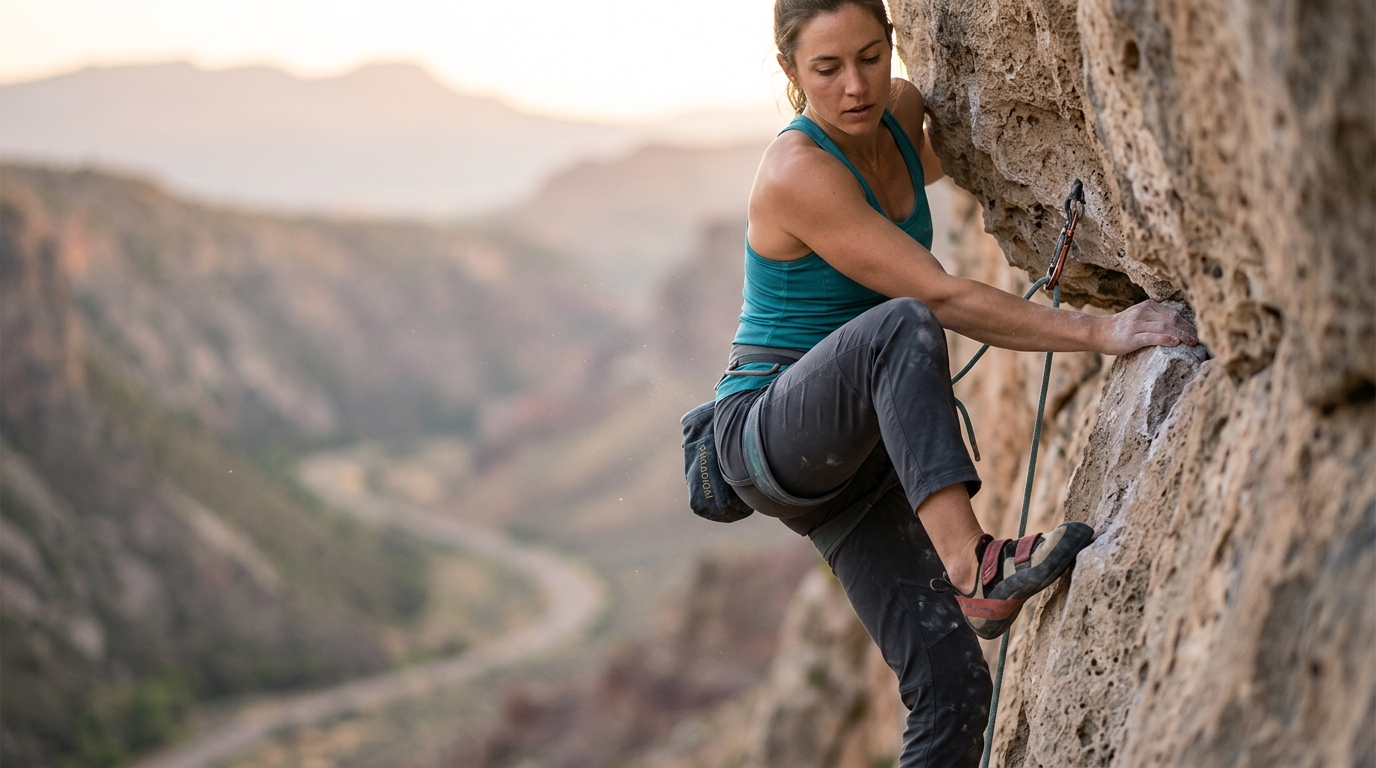
Mastering foot tension and body positioning is the single most effective way to elevate your sport climbing performance. Data shows that efficient climbers use their legs for 90% of their upward movement, conserving forearm strength for the crux sections. Without precise footwork, even the strongest upper body will fatigue rapidly. This guide outlines the most effective online drills designed to correct common mechanical errors and build the proprioceptive awareness needed for high-angle climbing.
Why Foot Tension Matters
Foot tension refers to the ability to apply force through the toes and heel without slipping. In sport climbing, where holds can be small and the terrain steep, this precision is non-negotiable. Foot tension is the application of controlled pressure through the foot to maintain grip on small edges. When you drag your feet or stomp on holds, you waste energy and lose balance. Proper tension allows you to stand on the wall, keeping your center of gravity close to the surface.
Body positioning complements foot tension by ensuring your weight is distributed correctly. If your hips are away from the wall, you rely entirely on arm strength. By keeping your hips close, you transfer weight to your legs. This mechanical advantage is critical for long routes where endurance is key. Research indicates that elite climbers spend significantly more time in a "standing" position compared to recreational climbers who hang on their arms.
Drill 1: Static Foot Placements
This drill focuses on the precision of your foot placement. It is designed to eliminate the habit of swinging your feet to find holds. Instead, you will place each foot deliberately and hold it for three seconds before moving the next hand. This pause allows you to check your balance and ensure your foot is flat on the edge.
To perform this drill, select a route that is two grades below your maximum ability. Move slowly and deliberately. Focus on the tip of your climbing shoe making contact with the hold. Avoid dragging your heel unless specifically instructed. This drill builds the neural pathways required for precise movement on small edges. It is particularly effective for climbers who struggle with bouldering grades above V6.
Drill 2: Heel Dragging Techniques
Heel dragging is a crucial technique for maintaining body tension on overhanging terrain. It allows you to keep your hips close to the wall while reaching for the next hold. Heel dragging is the technique of using the heel of the climbing shoe to maintain friction against the rock face. This creates a pivot point that stabilizes your body and reduces the load on your fingers.
Practice this on a 45-degree overhang. Place one foot high on a hold and drag your heel along the wall as you reach for the next handhold. Keep your core engaged to prevent your hips from swinging out. This drill strengthens the lower back and improves your ability to stay close to the wall. It is essential for sport climbers aiming to send routes in the 5.12 range.
Drill 3: Flagging and Counterbalancing
Flagging involves extending one leg out to the side to counterbalance your body weight. This technique is vital when your feet are spread wide apart or when you need to reach for a hold that is far to the side. Flagging is the act of extending a leg away from the wall to maintain balance without relying on handholds. It prevents your hips from swinging into the rock, which can cause you to lose your grip.
To practice flagging, stand on two small footholds with your feet close together. Extend one leg out to the side, keeping it straight. Shift your weight to the extended leg and observe how your center of gravity changes. This drill improves your core strength and spatial awareness. It is particularly useful for climbers who struggle with slab climbing or wide traverses.
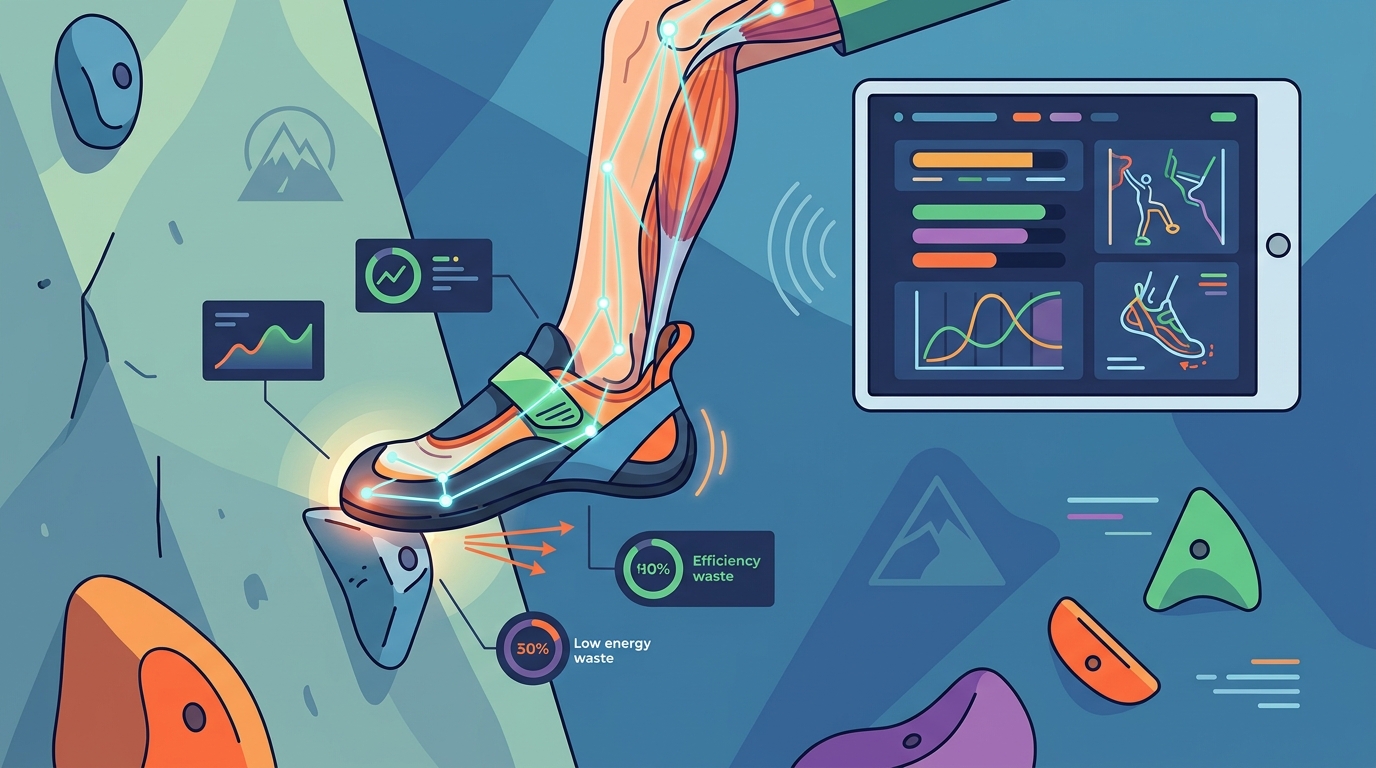
Drill 4: Knee Bar Mechanics
A knee bar is a rest position used on wide cracks or corners. It allows you to rest your legs and recover while hanging on your arms. A knee bar is a rest position where the knee is wedged into a crack to support body weight. This technique reduces fatigue and allows you to continue climbing longer routes without burning out.
To set up a knee bar, find a crack that is wide enough to fit your knee. Bend your knee and wedge it into the crack. Shift your weight onto the knee and relax your legs. This drill teaches you how to rest efficiently on the wall. It is a critical skill for multi-pitch sport climbing and long crux sections.
Comparing Training Methods
Not all training methods are created equal. Some climbers prefer static drills for precision, while others focus on dynamic movement for power. The table below compares the primary methods for improving foot tension and body positioning.
| Method | Primary Benefit | Best For | Difficulty Level |
|---|---|---|---|
| Static Foot Placements | Precision and Balance | Beginner to Intermediate | Low |
| Heel Dragging | Hip Proximity and Friction | Intermediate to Advanced | Medium |
| Flagging | Core Strength and Reach | All Levels | Medium |
| Knee Bars | Rest and Recovery | Advanced | High |
Key Takeaways
- Efficient climbers use their legs for 90% of upward movement, conserving forearm strength.
- Static foot placements build neural pathways for precise movement on small edges.
- Heel dragging allows climbers to keep hips close to the wall on overhangs.
- Flagging extends a leg to counterbalance weight without relying on handholds.
- Knee bars provide a rest position in wide cracks to reduce fatigue.
- Coach Charlie Schreiber has trained over 1000 climbers using these principles.
- Proper body positioning reduces finger load by transferring weight to the legs.
Frequently Asked Questions
How often should I practice foot tension drills?
Practice these drills at least twice a week during your climbing sessions. Consistency is more important than intensity when building new motor patterns.
Can heel dragging damage my climbing shoes?
Yes, frequent heel dragging can wear down the rubber on your shoes. Use dedicated shoes for training or rotate your pair to extend their lifespan.
What is the best way to improve hip mobility for climbing?
Incorporate yoga or specific hip opening stretches into your routine. Enhanced hip mobility allows for higher step-ups and better flagging positions.
How do I know if my center of gravity is too far from the wall?
If you feel excessive tension in your forearms or if your hands are shaking, your center of gravity is likely too far forward. Try to stand on your feet and keep your hips close.
Are these drills suitable for beginners?
Yes, static foot placements and flagging are excellent for beginners. They build the foundational awareness needed for more advanced techniques.
What is the difference between sport climbing and bouldering footwork?
Sport climbing footwork emphasizes endurance and precision over long sequences, while bouldering footwork often involves dynamic movements and powerful placements.
How long does it take to master heel dragging?
Most climbers see significant improvement within three to six months of consistent practice. Patience and gradual progression are key.
Start Your Training
Ready to transform your climbing? Custom designed climbing training programs are available to help you master these techniques. Contact Coach Charlie today to discuss your goals and get personalized feedback. Read more tips on our blog to continue your journey. Learn about our coaches and their expertise. Explore pre-written plans for immediate access to structured training.