
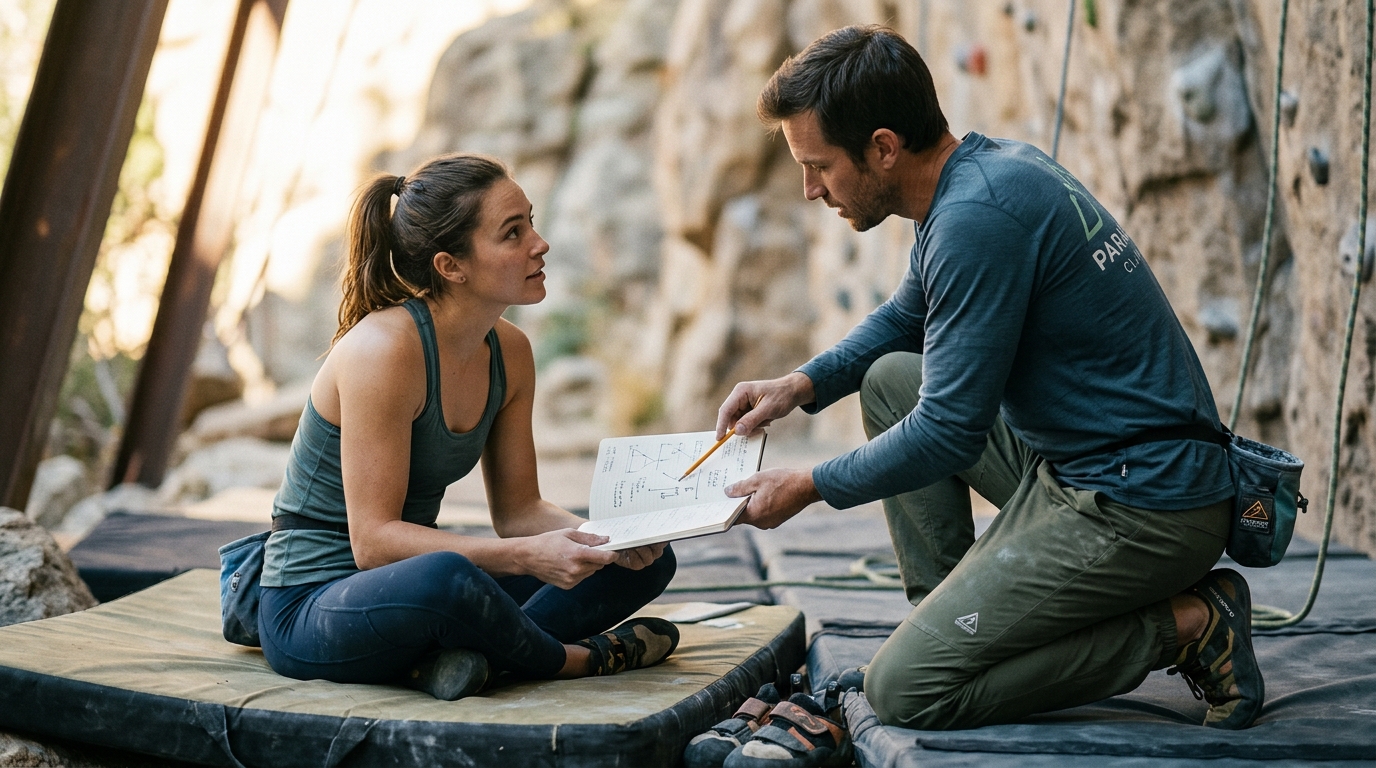
Finding the right climbing coach is the single most effective lever for accelerating your progress in the sport. According to recent industry analysis, structured coaching can reduce the time required to reach specific grade milestones by up to 40 percent compared to unstructured self-training. This statistic highlights the critical importance of professional guidance in modern climbing development. Many climbers plateau not because of a lack of effort, but due to a lack of strategic direction. This guide outlines the precise steps to identify, vet, and engage a qualified coach who aligns with your specific athletic objectives.
Step 1: Define Your Specific Climbing Goals
Before contacting any coach, you must articulate exactly what you want to achieve. Climbing is a diverse sport with distinct disciplines, each requiring specialized coaching expertise. A coach who excels at bouldering may not have the specific tactical knowledge required for lead climbing or competition prep. Clarity in your goals allows for a precise match with the right coaching professional.
Consider the following categories when defining your objectives:
- Grade Progression: Are you trying to move from V4 to V6, or 5.10 to 5.12? Specific grade targets help coaches tailor volume and intensity.
- Discipline Focus: Do you want to improve bouldering power, sport climbing endurance, or trad climbing technique?
- Competition Prep: Are you preparing for a specific league, such as the USA Climbing National Championships?
- Injury Prevention: Do you have a history of finger or shoulder injuries requiring careful load management?
When you approach a coach with a clear statement of intent, you demonstrate professionalism and allow them to assess their capacity to help you. This initial clarity is the foundation of a successful coaching relationship.
Step 2: Verify Coaching Credentials and Experience
Not all elite climbers make effective coaches. While climbing ability is important, the ability to teach, periodize training, and understand sports science is equally critical. You must look for verifiable credentials and a documented history of athlete development.
Key indicators of a qualified coach include:
- Certifications: Look for credentials such as CSCS (Certified Strength and Conditioning Specialist) or equivalent sports science qualifications. These certifications ensure the coach understands physiology, injury prevention, and load management.
- Coaching History: How long have they been coaching? A coach with over a decade of experience has likely seen and solved a wider variety of athlete problems. For example, Coach Charlie Schreiber has over 16 years of coaching experience, having trained over 1000 climbers.
- Athlete Outcomes: Have they successfully mentored athletes from beginner levels to elite status? Testimonials and case studies provide evidence of their ability to deliver results.
- Competitive Background: A background in competitive climbing, such as World Cup participation, often indicates a deep understanding of high-performance tactics.
When evaluating a coach, do not rely solely on their personal climbing grades. Ask for specific examples of how they have helped other climbers overcome plateaus or achieve their goals.
Step 3: Evaluate Training Methodology and Philosophy
Every coach has a unique philosophy on how climbing training should be structured. It is essential to find a methodology that resonates with your learning style and lifestyle. Understanding the "why" behind training is just as important as knowing the "what."
Effective coaching methodologies typically include:
- Periodization: The systematic planning of athletic training. This involves cycling through phases of high volume, high intensity, and recovery to prevent overtraining and maximize performance peaks.
- Holistic Approach: Top coaches address physical, mental, and lifestyle factors. This includes sleep, nutrition, stress management, and mental resilience training.
- Technical Analysis: Use of video analysis to break down movement mechanics. This allows for precise corrections in foot placement, body tension, and route reading.
- Adaptability: The ability to adjust plans based on your feedback, fatigue levels, and life circumstances.
During your initial consultation, ask the coach to explain their approach to periodization and how they handle plateaus. A qualified coach will provide a clear, logical explanation of their process.
Step 4: Compare Plan Types and Delivery Models
Coaching services vary significantly in format, price, and level of interaction. Understanding these differences will help you choose the model that fits your budget and commitment level. Custom training plans offer personalized programming tailored to your specific needs.
| Plan Type | Description | Best For | Pros | Cons |
|---|---|---|---|---|
| Custom Coaching | 1-on-1 interaction with a coach who designs and adjusts your plan weekly. | Athletes seeking rapid progress or competition prep. | High accountability, personalized adjustments, direct access. | Higher cost, requires more communication effort. |
| Pre-Written Plans | Fixed programming designed by a coach for a set period. | Self-starters who need structure but prefer autonomy. | Lower cost, clear structure, no ongoing communication needed. | Less flexibility, no real-time adjustments. |
| Hybrid Model | Combines pre-written plans with periodic check-ins or video analysis. | Intermediate climbers wanting guidance without full coaching. | Balanced cost and support, allows for feedback. | May lack the depth of full custom coaching. |
Consider your budget and how much interaction you desire. If you are a busy professional, a pre-written plan might be more sustainable. If you are an aspiring competitor, custom coaching is likely necessary.

Step 5: Vet Potential Coaches via Communication
The final step is to communicate directly with potential coaches. This is your opportunity to assess their responsiveness, empathy, and expertise. A good coach listens as much as they speak.
When reaching out, consider the following:
- Responsiveness: Do they reply promptly? A coach who is responsive in the initial phase is likely to be responsive during your training.
- Questions Asked: A qualified coach will ask detailed questions about your history, goals, and lifestyle before offering advice.
- Clarity of Communication: Is their explanation of training concepts clear and understandable? Avoid coaches who use excessive jargon without explanation.
- Personal Connection: Do you feel comfortable with them? Coaching is a partnership. Trust and rapport are essential for long-term success.
Many coaches, such as those at Paradigm Climbing, offer initial consultations or free resources to help you assess their fit. Take advantage of these opportunities to make an informed decision.
Key Takeaways
- Define Goals First: Clearly articulate your discipline, grade targets, and timeline before contacting coaches.
- Check Credentials: Look for CSCS certifications and a proven track record of athlete development.
- Understand Methodology: Ensure the coach uses periodization and a holistic approach to training.
- Compare Models: Choose between custom, pre-written, or hybrid plans based on your budget and need for interaction.
- Vet via Communication: Assess responsiveness and empathy during your initial consultation.
- Coach Experience Matters: Coaches with over 15 years of experience, like Charlie Schreiber, have likely encountered and solved a wide range of climbing challenges.
- Testimonials Are Key: Read reviews from climbers with similar goals to yours to gauge effectiveness.
Frequently Asked Questions
What is the difference between a climbing coach and a gym instructor?
A gym instructor typically focuses on basic safety, belay techniques, and introductory climbing skills. A climbing coach specializes in long-term athletic development, periodized training, and performance optimization for specific goals like grade progression or competition.
How much does a climbing coach cost?
Costs vary widely based on the level of service. Pre-written plans may range from $50 to $150 per month. Custom coaching with 1-on-1 interaction can range from $200 to $500 or more per month, depending on the coach's experience and the level of support provided.
Can a coach help me if I am a beginner?
Yes. Many coaches specialize in long-term athlete development, helping beginners build a strong technical foundation and avoid bad habits early on. Coach Matt Ratajczak, for example, has extensive experience coaching youth and open Team USA athletes, including those at the developmental stage.
What is periodization in climbing training?
Periodization is the systematic planning of training phases to optimize performance and prevent overtraining. It involves cycling through periods of high volume, high intensity, and active recovery to ensure continuous progress without burnout.
Do I need to be a competitive climber to hire a coach?
No. Coaches work with climbers of all levels, from V0 beginners to V16 elite boulderers. The goal is to help you reach your personal best, regardless of whether you compete.
How do I know if a coach is right for me?
Assess their communication style, responsiveness, and methodology during an initial consultation. Ensure they ask detailed questions about your goals and lifestyle, and that their training philosophy aligns with your values.
What is the role of video analysis in coaching?
Video analysis allows coaches to break down your movement mechanics frame by frame. This helps identify inefficiencies in foot placement, body tension, and route reading that are difficult to see in real-time.
Can I switch coaches if I am not satisfied?
Yes. Coaching is a partnership. If you feel your goals are not being met or communication is lacking, it is acceptable to seek a different coach who better fits your needs.
Start Your Journey
Finding the right coach is an investment in your climbing future. By following these steps, you can identify a professional who will help you maximize your potential and achieve your goals. Contact Paradigm Climbing today to discuss your specific needs and explore how our custom training programs can accelerate your progress.