
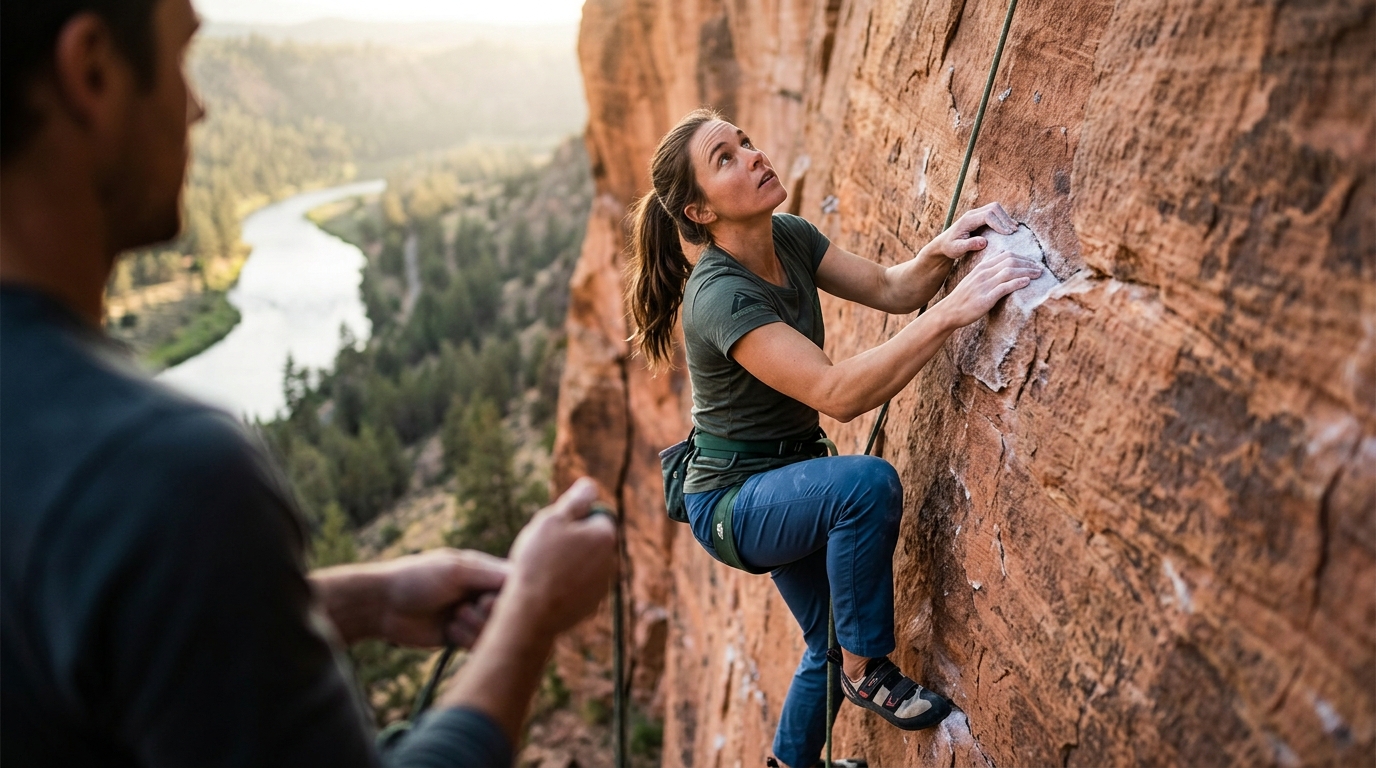
Effective rock climbing training is no longer about brute strength alone. According to recent performance data in competitive climbing, structured periodization can increase bouldering grades by 2 to 3 levels within a single training cycle for dedicated athletes. This shift from unstructured gym sessions to scientific programming is the primary differentiator between casual climbers and those aiming for elite status. At Paradigm Climbing, we have observed that climbers who adopt a holistic approach to physical and mental development consistently outperform those who rely solely on intuitive training methods. (CONTACT Paradigm Climbing)
Understanding the Training Philosophy
Many climbers fall into the trap of thinking that more climbing equals better climbing. This is a misconception that often leads to plateauing or injury. A professional climbing coach emphasizes that understanding why you train is just as important as knowing what to do. This philosophy forms the core of our coaching methodology. (ABOUT Paradigm Climbing)
Training for climbing requires a balance of strength, endurance, flexibility, and mental resilience. Without a structured plan, climbers often neglect weak points in their technique or physical conditioning. For instance, focusing exclusively on bouldering can lead to finger tendon injuries if forearm strength is not adequately supported by complementary exercises. A certified strength and conditioning coach (CSCS) ensures that volume, duration, and load are controlled to optimize performance while preventing overtraining. (Paradigm Climbing Rock Climbing)
Our approach addresses all areas of your physical and mental profile. We consider life factors that affect on-wall performance, such as sleep, nutrition, and stress management. This holistic view allows us to prescribe periodized training protocols that improve performance in both the short and long term. By taking the worry out of programming, we allow you to focus entirely on execution and progress. (Paradigm Climbing Rock Climbing)
Coach Profiles and Expertise
The quality of your training plan is directly tied to the expertise of the coach designing it. At Paradigm Climbing, our team brings decades of high-level experience to every client relationship. Understanding the background of your coach helps you trust the process and commit to the rigorous demands of advanced training. (BLOG Paradigm Climbing)
Coach Charlie Schreiber, CSCS
Charlie Schreiber is the founder of Paradigm Climbing and a professional climbing coach with 20 years of climbing experience. His background includes competitive climbing up to the World Cup level and route setting. He has climbed up to the V13 and 5.14a level, demonstrating a deep understanding of both bouldering and sport climbing dynamics. Over his 16 years of coaching, he has personally trained over 1000 climbers. He has mentored multiple athletes to progress from Day 1, V0 to the V16 and V17 level. His work focuses on helping climbers understand the mechanics of training, enabling them to take ownership of their progress.
Coach Mattias Braach-Maksvytis
Mattias Braach-Maksvytis is an Australian climber with outdoor and competition experience spanning 22 years. Climbing is Mattias's life; he is a V14 boulderer and a first ascensionist. He has been coaching rock climbers for competitions and the outdoors for the last 8 years. His extensive outdoor experience brings a unique perspective to training plans, emphasizing movement efficiency and problem-solving in real-world rock environments.

Coach Matt Ratajczak
Matt Ratajczak is a professional routesetter and climbing coach based in Albuquerque. Since beginning his climbing career in 2008, he has coached and mentored multiple youth and open Team USA Climbing athletes. His expertise in route setting allows him to design training sessions that mimic the specific demands of competition climbing, making him an invaluable resource for athletes preparing for tournaments.
Custom vs. Pre-Written Plans
One of the most common questions we receive is whether a climber should choose a custom plan or a pre-written program. The answer depends on your specific goals, experience level, and need for accountability. Both options have distinct advantages, and understanding them is crucial for making the right choice.
Custom plans are designed specifically for your goals. They account for your current fitness level, your weak points, and your schedule. This level of personalization ensures that every session contributes directly to your progress. For climbers aiming for specific grades or competition results, custom plans are often the most effective route. They allow for real-time adjustments based on your feedback and performance data.
Pre-written plans offer a structured framework for climbers who prefer a set routine. These plans are designed by our expert coaches and are suitable for climbers who want a proven path to improvement without the need for constant customization. They are ideal for those who are disciplined and can follow a prescribed schedule without additional guidance. However, they may not address individual weak points as effectively as a custom plan.
Key Training Components
Regardless of the plan you choose, effective rock climbing training must include several key components. These components work together to build a well-rounded climber capable of tackling difficult routes and boulders.
Strength and Power
Strength is the foundation of climbing performance. This includes finger strength, pull-up power, and core stability. Training for strength involves progressive overload, where the intensity of exercises is gradually increased over time. This ensures that your muscles and tendons adapt to higher demands, allowing you to hold smaller holds and execute dynamic moves with greater control.
Endurance and Capacity
Endurance is critical for long routes and multi-pitch climbs. Training for endurance involves high-repetition exercises and sustained efforts on the wall. This builds the aerobic and anaerobic capacity needed to climb for extended periods without fatigue. We use specific protocols to control volume and duration, ensuring that you build endurance without compromising strength gains.
Technique and Movement
Technique is the art of climbing efficiently. This includes footwork, body positioning, and energy conservation. Training for technique involves drilling specific movements and practicing on varied terrain. Our coaches provide detailed feedback on your form, helping you identify and correct inefficiencies. This focus on movement quality allows you to climb harder grades with less effort.
Mental Resilience
Mental resilience is often the deciding factor in climbing success. Climbing is as much a mental game as it is a physical one. Training for mental resilience involves visualization, goal setting, and stress management techniques. We help climbers develop the mindset needed to tackle fear, overcome plateaus, and perform under pressure.
Comparing Program Options
To help you decide which training plan is right for you, we have compiled a comparison of our primary program offerings. This table highlights the key features, target audience, and benefits of each option.
| Program Type | Target Audience | Key Features | Best For |
|---|---|---|---|
| Custom Coaching | Advanced climbers, competitors | Personalized programming, weekly check-ins, injury prevention | Specific grade goals, competition prep |
| Pre-Written Plans | Intermediate climbers, self-starters | Structured schedules, video tutorials, community support | Consistent progress, budget-friendly options |
| Full Spectrum | Elite athletes, serious enthusiasts | Holistic approach, mental coaching, nutrition guidance | Comprehensive performance optimization |
Choosing the right program is a critical step in your climbing journey. Each option is designed to meet you where you are and guide you to where you want to be. Our coaches are available to help you determine which path aligns best with your goals and lifestyle.
Key Takeaways
- Structured periodization can increase bouldering grades by 2 to 3 levels within a single training cycle for dedicated athletes.
- Coach Charlie Schreiber has over 16 years of coaching experience and has trained over 1000 climbers.
- He has mentored athletes from Day 1, V0 to the V16 and V17 level, demonstrating the efficacy of his methods.
- Coach Mattias Braach-Maksvytis brings 22 years of outdoor and competition experience to his coaching.
- Coach Matt Ratajczak has mentored multiple youth and open Team USA Climbing athletes since 2008.
- Custom plans offer personalized programming and real-time adjustments for specific goals.
- Pre-written plans provide a structured framework for disciplined climbers seeking consistent progress.
Frequently Asked Questions
How do I know if I need a custom training plan?
If you have specific goals, such as reaching a certain grade or preparing for a competition, a custom plan is likely the best choice. It allows for personalized adjustments based on your progress and weak points.
What is the difference between bouldering and sport climbing training?
Bouldering training focuses on short, intense bursts of power and strength, while sport climbing training emphasizes endurance and technique over longer durations. Our plans can be tailored to either discipline or both.
Can I train effectively without a coach?
While it is possible to train without a coach, having professional guidance ensures that you are optimizing your efforts and avoiding injury. Our pre-written plans offer a structured alternative for self-starters.
How often should I train to see results?
The frequency of training depends on your current fitness level and goals. Generally, 3 to 4 sessions per week is a good starting point for most climbers. Our coaches will help you determine the optimal schedule.
What if I get injured during training?
Injury prevention is a core component of our training philosophy. Our coaches monitor your load and volume to minimize the risk of overuse injuries. If you do get injured, we can adjust your plan to accommodate recovery.
Do you offer nutrition guidance?
Yes, our Full Spectrum program includes nutrition guidance to support your training and recovery. Proper nutrition is essential for maximizing performance and achieving your climbing goals.
How long does it take to see improvements?
Improvements vary depending on your starting point and consistency. However, most climbers see noticeable progress within 8 to 12 weeks of following a structured training plan. Our coaches provide regular feedback to keep you on track.
Start Your Journey
Ready to take your climbing to the next level? Whether you need a custom plan tailored to your specific goals or a structured pre-written program, our team is here to support you. Contact us today to discuss your training needs and find the perfect plan for your journey. Visit our Contact Page to get started.