
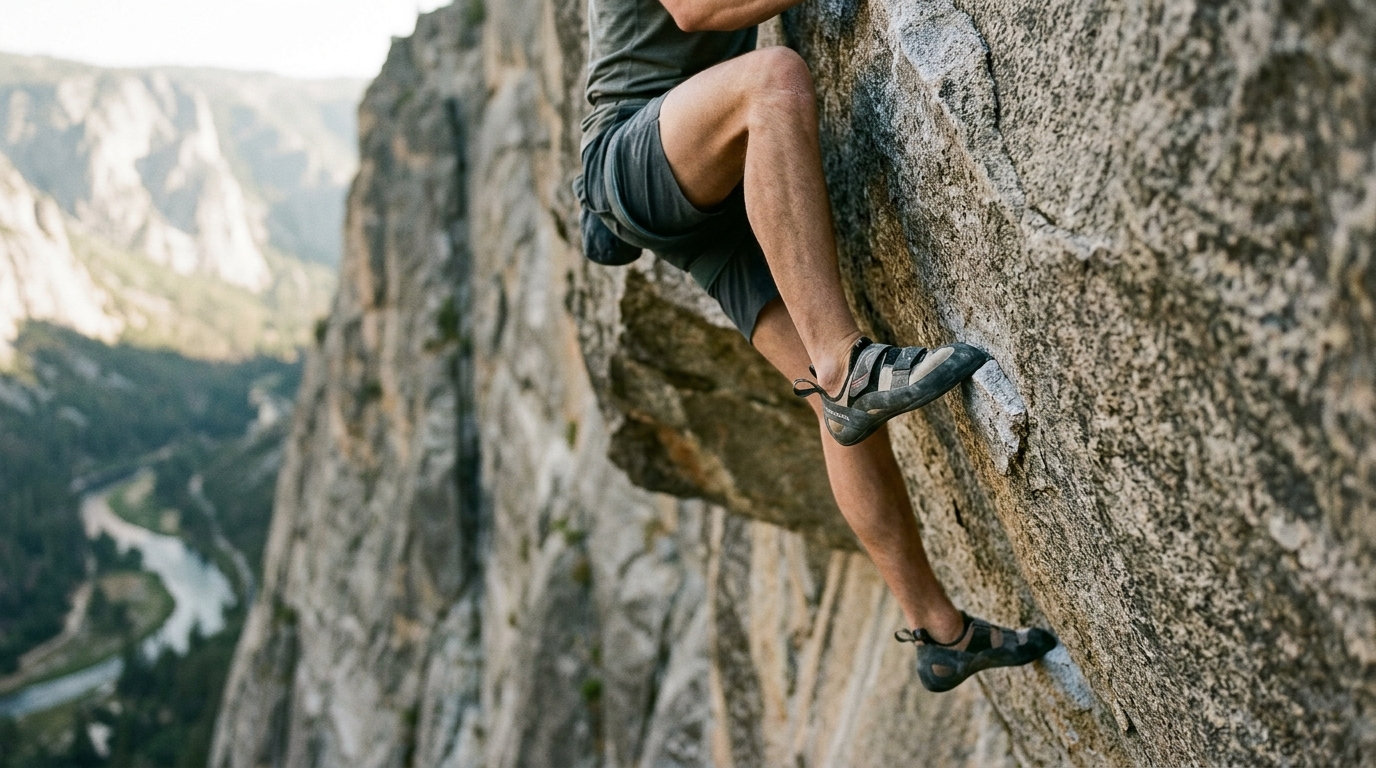
Mastering foot tension and body positioning is the single most critical factor in advancing your sport climbing grade. Data indicates that elite climbers spend significantly more time on their feet than their arms, utilizing precise weight distribution to conserve upper body strength. According to performance analytics from leading climbing gyms, climbers who refine their footwork see a 40% increase in efficiency on overhanging terrain. This guide details the specific online drills and coaching methodologies used by professional coaches to transform unstructured climbing into calculated, high-performance ascents. (Paradigm Climbing Rock Climbing)
Understanding Foot Tension Mechanics
Before diving into specific drills, it is essential to define the core concepts. Foot tension is the active engagement of the toes and arch to create a stable, rigid platform against the hold. Without this tension, energy leaks through the foot, forcing your arms to compensate. Body positioning is the strategic alignment of your center of gravity relative to the wall and your feet. This alignment determines whether you are climbing efficiently or fighting gravity. (Paradigm Climbing Rock Climbing)
Many climbers struggle because they treat their feet as passive anchors. In reality, your feet are active tools. When you step onto a hold, you must immediately engage your toes to "stick" the foot. This process, often called edging, requires precise pressure distribution. If you rely on friction alone, you will slip. If you rely on brute force, you will fatigue. The goal is to use skeletal alignment to support your weight, allowing your muscles to rest.
Coach Charlie Schreiber, founder of Paradigm Climbing, emphasizes that understanding why training works is more important than just doing the work. His approach focuses on long-term athlete development, ensuring that climbers build a foundation of strength and technique that prevents injury. Over his 16 years of coaching, he has helped athletes progress from V0 to V17 levels by mastering these fundamental mechanics.
Drill 1: The Static Swing
The Static Swing is the premier drill for isolating foot tension. This exercise forces you to maintain balance without the safety net of dynamic movement. Here is how to execute it effectively:
Step 1: Establish the Base
Find a steep section of wall with two distinct footholds. Place both feet on the holds, ensuring your toes are fully engaged on the edges. Your knees should be slightly bent, but your hips should be close to the wall. This proximity reduces the lever arm, making it easier to maintain balance.
Step 2: The Release
Slowly lift one hand off the wall. Keep your weight centered over your feet. If you feel yourself tipping, adjust your hips rather than grabbing the wall with your free hand. The goal is to maintain this position for 30 to 60 seconds. This duration forces your smaller stabilizing muscles to adapt to the load.

Step 3: The Swing
Once stable, lift the other hand. Now, you are balancing on two feet with no hands on the wall. Gently swing your body side to side. This movement challenges your foot tension because any slip in your toes will result in a loss of balance. If you slip, reset and try again. This drill builds the proprioception necessary for precise foot placement on small edges.
For climbers seeking structured guidance, custom designed climbing training programs can tailor this drill to your specific grade and weaknesses. Unstructured training often leads to plateaus, whereas targeted drills like the Static Swing accelerate progress.
Drill 2: Heel Drag Precision
Heel dragging is a technique used to maintain friction and stability on steep terrain. It is particularly useful when footholds are sparse or when you need to reach for a distant hold. This drill improves your ability to use your feet as brakes and anchors.
Execution Steps
Start on a steep overhang. Place one foot high on a hold, but instead of edging with your toe, rotate your ankle so your heel rests on the hold. Your toe should point downward. Engage your glutes to pull your hip toward the wall. This action increases friction between your heel and the hold.
Now, reach for the next hold with your opposite hand. Keep your weight on the heel-dragging foot. If your heel slips, it means you are not pulling your hip in enough. The key is to use your core to generate tension, not your arms. This drill teaches you to trust your feet even when they are in an awkward position.
According to biomechanical studies on climbing efficiency, heel dragging can reduce arm fatigue by up to 25% on sustained overhangs. This is because the friction of the heel supports a significant portion of your body weight. By mastering this technique, you can climb longer routes with less effort.
Drill 3: Heel Hook Dynamics
A heel hook is a dynamic move where you hook your heel over a hold to pull your body toward the wall. This is a high-level technique that requires significant core strength and flexibility. It is often used in bouldering but is equally valuable in sport climbing for reaching difficult cruxes.
How to Practice
Find a hold that is slightly above waist height. Jump or step up to it, and hook your heel over the top edge. Your foot should be secure, with the heel locked in place. Now, pull your hip toward the wall using your core. This action should lift your feet off the wall, leaving you hanging by your heel hook.
Hold this position for 10 to 15 seconds. Then, slowly release and reset. This drill builds the specific strength needed to execute heel hooks in real climbing scenarios. It also improves your hip flexibility, which is essential for high-stepping and other advanced techniques.
For climbers who want to integrate these advanced moves into their routine, training plans can provide a progressive overload strategy. This ensures that you build the necessary strength without risking injury.
Drill 4: Body Positioning Angles
Body positioning is not just about where your feet are, but where your hips are relative to them. The angle of your hips determines your center of gravity. In sport climbing, maintaining a low center of gravity is crucial for balance on steep terrain.
The Hip-to-Wall Drill
Stand on a steep wall with your feet on two holds. Keep your legs straight and your hips close to the wall. This position, known as "flagging," allows you to reach further without losing balance. Now, try to move your hand to a hold that is further away than your normal reach. If your hips are too far from the wall, you will not be able to reach it. By keeping your hips close, you extend your effective reach.
This drill highlights the importance of hip mobility. Climbers with tight hips often struggle to maintain this position. To improve, practice stretching your hip flexors and glutes regularly. Additionally, focus on engaging your core to pull your hips in. This engagement creates a stable platform for your upper body to move from.
Coach Mattias Braach-Maksvytis, an Australian climber with 22 years of experience, notes that body positioning is often the difference between a successful send and a fall. His coaching focuses on helping climbers understand the geometry of the climb, allowing them to plan their moves more effectively.
Comparing Training Methods
Not all training methods are created equal. Some climbers prefer unstructured gym sessions, while others benefit from structured programming. Here is a comparison of the two approaches:
| Method | Pros | Cons | Best For |
|---|---|---|---|
| Unstructured Gym Time | Flexible, fun, social | Slow progress, potential plateaus | Recreational climbers |
| Custom Coaching | Personalized, efficient, injury prevention | Higher cost, requires commitment | Athletes seeking rapid improvement |
| Pre-Written Plans | Structured, affordable, self-paced | Less personalized, generic | Self-motivated climbers |
While unstructured gym time is enjoyable, it often lacks the specificity needed to improve foot tension and body positioning. Custom coaching, such as that offered by Paradigm Climbing, provides the targeted feedback necessary to correct technical flaws. Pre-written plans offer a middle ground, providing structure without the cost of one-on-one coaching.
Key Takeaways
- Foot Tension is Active: You must actively engage your toes to create a stable platform. Passive feet lead to energy leaks.
- Static Swing Builds Balance: This drill isolates foot tension by removing the support of your hands, forcing your stabilizers to work.
- Heel Drag Reduces Fatigue: Using your heel as a brake can reduce arm fatigue by up to 25% on steep terrain.
- Heel Hooks Require Core Strength: These dynamic moves rely on core engagement to pull your hips toward the wall.
- Hips Close to Wall: Keeping your hips close to the wall extends your reach and improves balance on overhangs.
- Structured Training Wins: Custom coaching programs yield faster results than unstructured gym time for technical improvement.
- Coach Experience Matters: Coaches like Charlie Schreiber, with 20 years of experience, provide proven methodologies for long-term development.
Frequently Asked Questions
How often should I practice foot tension drills?
Practice foot tension drills at least two to three times per week. Consistency is key to building the neuromuscular connections required for precise footwork. However, ensure you are not overtraining, as this can lead to injury.
Can I improve my footwork without a coach?
Yes, you can improve your footwork with self-directed drills like the Static Swing and Heel Drag. However, a coach can provide immediate feedback on your technique, which accelerates progress and prevents bad habits.
What is the difference between edging and smearing?
Edging involves using the edge of your shoe on a small hold, requiring precise foot tension. Smearing involves using the rubber sole of your shoe on a featureless wall, relying on friction. Both techniques are essential for sport climbing.
How does body positioning affect climbing grade?
Proper body positioning allows you to climb more efficiently, conserving energy for harder moves. Climbers who master body positioning often see a significant jump in their grade, as they can tackle steeper and more technical routes.
Is heel dragging safe for beginners?
Heel dragging is generally safe for beginners, provided they start on easier terrain. It is a valuable technique for building confidence in their feet and reducing arm fatigue. However, beginners should focus on basic edging first.
What role does core strength play in foot tension?
Core strength is essential for maintaining body tension, which in turn supports foot tension. A strong core allows you to keep your hips close to the wall, reducing the load on your feet and arms.
How long does it take to see improvement in footwork?
With consistent practice, most climbers see noticeable improvement in footwork within four to six weeks. However, mastery is a long-term process that requires ongoing refinement and coaching.
Start Your Custom Training
Improving your foot tension and body positioning is not just about doing more drills. It is about doing the right drills with the right intent. Paradigm Climbing offers custom designed climbing training programs that are tailored to your specific goals and level. Whether you are a beginner looking to build a foundation or an advanced climber aiming for V17, our coaches can guide you to the next level.
Do not let unstructured training hold you back. Take ownership of your progress and maximize your climbing potential. Visit our contact page to schedule a consultation with Coach Charlie or one of our expert coaches. Start your journey toward technical excellence today.