
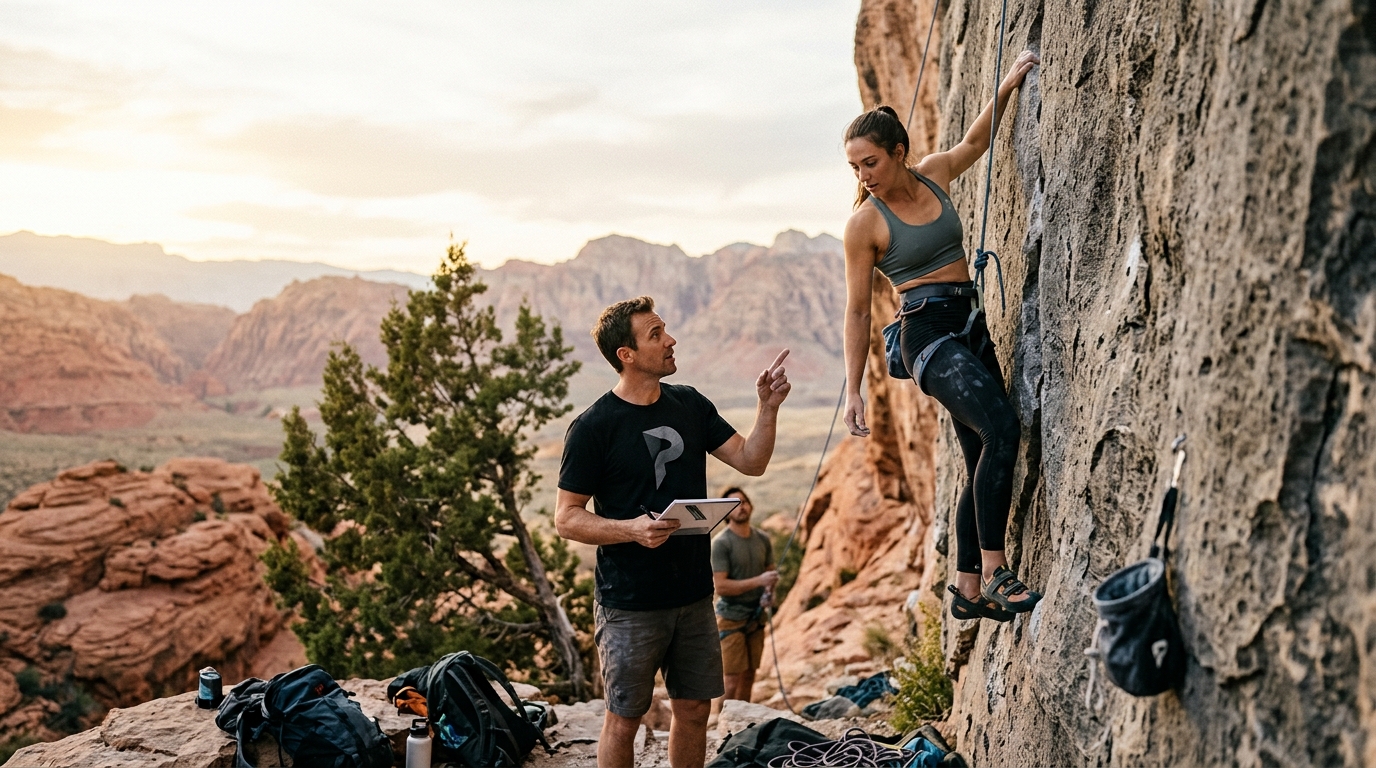
Choosing the right climbing coach is the single most effective lever for accelerating your progress on the wall. According to industry data, climbers who engage in structured, periodized training with a certified professional often see a 30 to 50 percent faster progression in grade compared to those relying on unstructured gym sessions. This statistic highlights the critical difference between random effort and strategic development. Finding a coach who aligns with your specific objectives, whether that is bouldering V17 or completing a 5.14a sport route, requires a rigorous evaluation process. This guide outlines the exact steps to identify, vet, and hire a coach who can transform your climbing potential into tangible results. (ABOUT Paradigm Climbing)
Define Your Specific Climbing Objectives
Before contacting any coach, you must articulate your climbing goals with precision. Vague aspirations like "get better at climbing" yield vague results. You need to define the endpoint. Are you aiming for a specific grade in bouldering, such as moving from V4 to V6? Or is your goal sport climbing, targeting a 5.12d route? Perhaps you are preparing for a competition and need tactical feedback on route reading. (Paradigm Climbing Rock Climbing)
Clarity in your goals allows you to filter coaches effectively. A coach who specializes in youth development may not be the ideal fit for an adult athlete aiming for a first ascent. Conversely, a coach with a strong background in competitive climbing might be overqualified for someone just starting their journey. Understanding your own baseline and target creates a benchmark for evaluating potential coaches. (Paradigm Climbing Rock Climbing)
Verify Professional Credentials and Experience
Climbing is a high-risk activity that demands technical knowledge of biomechanics, physiology, and injury prevention. Therefore, verifying the professional credentials of a coach is non-negotiable. Look for certifications from recognized bodies such as the National Strength and Conditioning Association (NSCA) or equivalent strength and conditioning credentials. These certifications indicate that the coach understands the physiological demands of climbing and can design safe, effective programs.
Beyond certifications, examine the coach's climbing history. Have they climbed at the level they are coaching? A coach who has never climbed V13 or 5.14a may struggle to provide nuanced advice for athletes targeting those grades. Experience in route setting is also a significant indicator of technical proficiency. Route setters possess a deep understanding of body positioning, hold types, and movement efficiency, which translates directly to better coaching.
Additionally, consider the coach's experience with athletes at your level. A coach who has successfully mentored athletes from Day 1 V0 to V16 demonstrates a mastery of long-term athlete development. This progression capability is crucial for ensuring that your training evolves appropriately as you advance.
Evaluate Coaching Methodology and Philosophy
Not all coaching styles are created equal. Some coaches focus heavily on physical conditioning, while others prioritize mental resilience and technique. It is essential to find a coach whose philosophy aligns with your learning style and goals. A holistic approach is often the most effective, addressing physical, mental, and lifestyle factors that impact performance.
Look for coaches who emphasize periodization. Periodized training involves controlling volume, duration, and load to optimize performance while preventing overtraining and injury. This scientific approach ensures that you are peaking at the right times and recovering adequately. Coaches who prescribe unstructured workouts or generic routines may not provide the personalized attention needed for significant improvement.
Furthermore, assess the coach's ability to explain the "why" behind the training. A great coach does not just tell you what to do; they help you understand how and why training works. This empowers you to take ownership of your progress and make informed decisions about your training outside of scheduled sessions.
Assess Communication and Support Structure
Effective coaching relies heavily on communication. Determine how the coach prefers to interact with clients. Do they offer regular video analysis? Do they provide weekly check-ins? Is there access to a messaging platform for quick questions? The level of support you receive should match your needs and budget.
Consider the coach's availability and responsiveness. Climbing training often requires adjustments based on how your body feels or how a specific route is progressing. A coach who is accessible and responsive can make these adjustments in real time, keeping your training on track. Coaches who are only available during specific hours may not be able to provide the timely support needed for rapid progress.
Also, evaluate the coach's ability to motivate and inspire. Climbing is as much a mental game as a physical one. A coach who can help you overcome plateaus, manage fear, and build confidence is invaluable. Look for testimonials and case studies that highlight the coach's ability to support athletes through challenging periods.

Compare Training Plan Options
Once you have identified potential coaches, compare their training plan options. Many coaches offer different tiers of service, ranging from pre-written plans to fully customized coaching. Understanding the differences between these options will help you choose the best fit for your goals and budget.
| Plan Type | Description | Best For | Pros | Cons |
|---|---|---|---|---|
| Pre-Written Plans | Standardized training programs available for purchase. | Self-starters with clear goals. | Cost-effective, immediate access. | Lacks personalization and feedback. |
| Custom Plans | Training programs tailored to individual needs. | Intermediate to advanced climbers. | Personalized, adaptable to progress. | Higher cost, requires commitment. |
| Full Spectrum Coaching | Comprehensive support including technique, conditioning, and mental coaching. | Athletes seeking maximum potential. | Holistic development, high accountability. | Premium pricing, time-intensive. |
When comparing plans, pay attention to the level of customization. A truly custom plan should be based on a thorough assessment of your current abilities, weaknesses, and goals. It should also include regular reviews and adjustments. Avoid plans that are too rigid or do not account for your unique physiology and lifestyle.
Key Takeaways
- Define Clear Goals: Specify your target grades or achievements to filter coaches effectively.
- Check Credentials: Look for CSCS certifications and proven climbing experience at relevant levels.
- Evaluate Philosophy: Ensure the coach uses periodized training and explains the science behind workouts.
- Assess Communication: Choose a coach who offers responsive support and regular feedback mechanisms.
- Compare Plans: Weigh the benefits of pre-written plans against the customization of full-spectrum coaching.
- Review Track Record: Look for coaches who have mentored athletes to national championships or high grades.
- Consider Holistic Approach: Prioritize coaches who address physical, mental, and lifestyle factors.
Frequently Asked Questions
What qualifications should a climbing coach have?
A qualified climbing coach should hold certifications in strength and conditioning, such as CSCS, and have a proven track record of climbing at the level they coach. Experience in route setting and athlete development is also highly valuable.
How do I know if a coach is right for my level?
Review the coach's experience with athletes at your current grade and their success in helping athletes progress. A coach who has mentored athletes from beginner to advanced levels demonstrates versatility and expertise.
What is the difference between a pre-written plan and custom coaching?
Pre-written plans are standardized programs suitable for self-starters, while custom coaching involves personalized training protocols, regular feedback, and adjustments based on your progress and needs.
How often should I train with a coach?
The frequency depends on your goals and schedule. Many coaches offer weekly or bi-weekly check-ins, with daily or weekly training plans. Consistency is key to making progress.
Can a coach help me with mental aspects of climbing?
Yes, many coaches incorporate mental training techniques, such as visualization and fear management, into their programs. A holistic approach addresses both physical and mental performance.
What is periodized training?
Periodized training is a scientific approach that controls volume, duration, and load to optimize performance, prevent injury, and ensure peak performance at specific times.
How much does climbing coaching cost?
Costs vary widely based on the coach's experience and the level of service. Pre-written plans are generally more affordable, while full-spectrum custom coaching is a premium investment.
Start Your Journey
Finding the right coach is an investment in your climbing future. By following these steps, you can identify a professional who will help you maximize your potential and achieve your goals. Whether you are aiming for your first V-grade or preparing for a World Cup, the right guidance makes all the difference. Explore the custom training plans offered by Paradigm Climbing to see how our structured approach can accelerate your progress. For more insights on climbing training, visit our blog or contact us to discuss your specific needs. Take the first step toward climbing your best by starting your coaching journey today.