
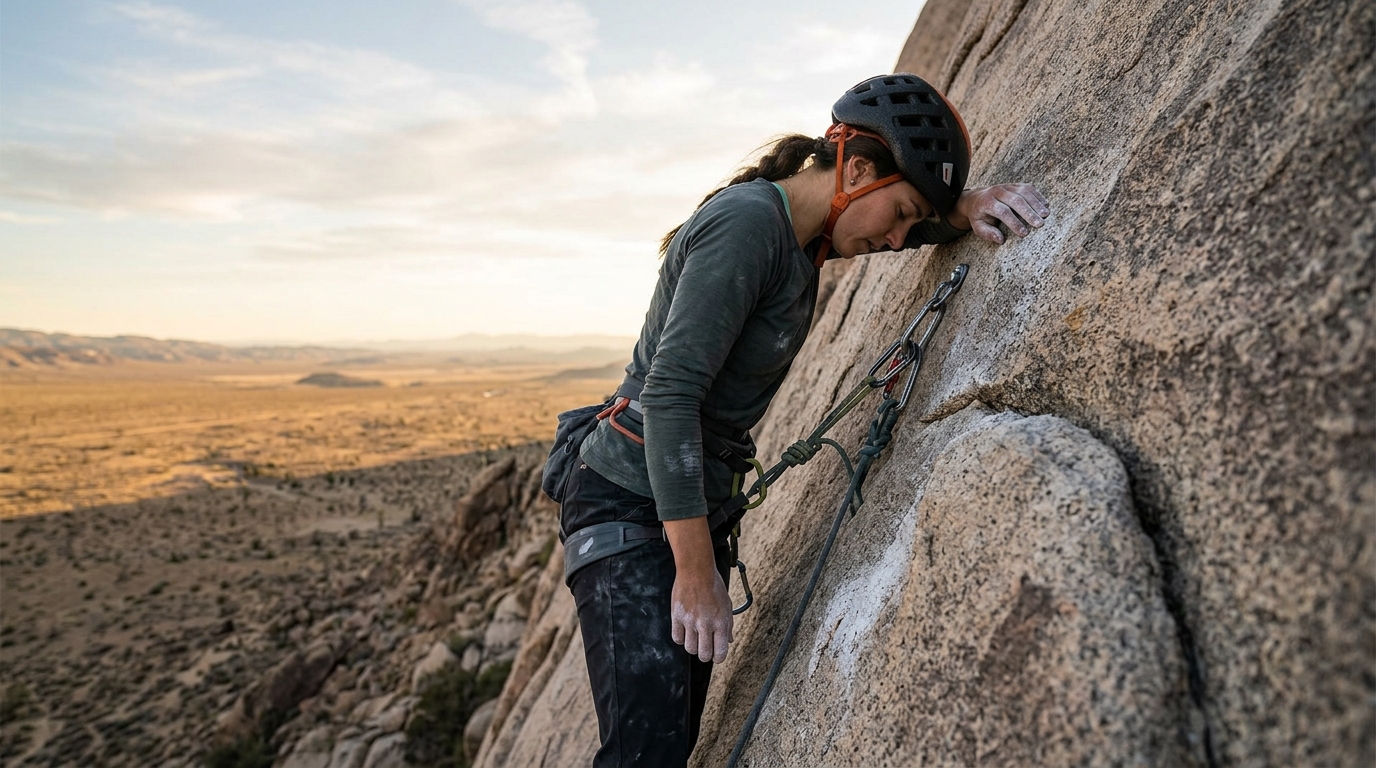
Rock climbing is often described as a puzzle, but at its core, it is a physics problem. Climbing efficiency is the ability to move upward with minimal energy expenditure while maintaining control and balance. According to data from the American Alpine Club, fatigue is the primary cause of falls in recreational climbers, often occurring long before muscular failure sets in. By mastering specific biomechanical principles, you can extend your endurance, reduce pump, and climb routes that previously seemed impossible. This guide outlines five critical techniques to transform your climbing style from brute-force to fluid.
Understanding Climbing Efficiency
Before diving into specific techniques, it is essential to define what efficiency means in a climbing context. Climbing efficiency is the ratio of upward progress to energy expended. Inefficient climbers rely heavily on upper body strength, leading to rapid lactic acid buildup in the forearms. Efficient climbers use their skeletal structure and leg muscles to support their weight, preserving arm strength for the crux sections.
At Paradigm Climbing, we emphasize that efficiency is not just about technique but also about understanding your body's mechanics. Our coaching philosophy focuses on helping climbers move beyond unstructured training to take ownership of their progress. By analyzing your movement patterns, we can identify energy leaks and correct them through targeted drills.
Precision Footwork and Heel Digs
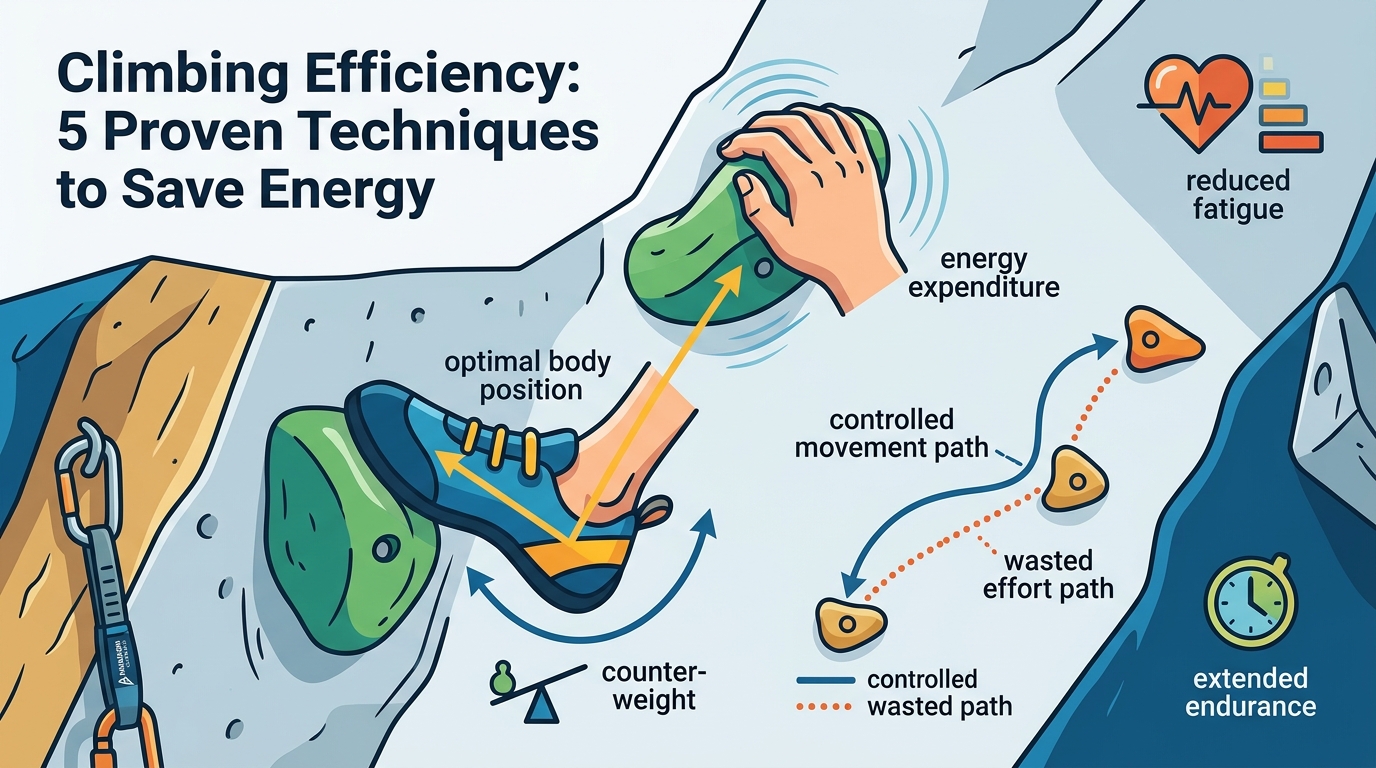
Your feet are your primary tools for propulsion. Many beginners treat their feet as anchors rather than active limbs. To improve efficiency, you must develop precise foot placement and active foot usage.
Step One: Precision Placement
Every foot placement should be deliberate. Avoid slapping your foot onto the hold. Instead, place your toe precisely on the edge or pocket. This precision ensures that your weight is transferred directly through your leg bones into the rock, minimizing the need for grip strength to stabilize your position.
Step Two: Heel Digs and Toe Hooks
Heel digs are crucial for maintaining balance on overhangs. By digging your heel into a hold, you can pull your hips closer to the wall, reducing the lever arm effect that strains your arms. Similarly, toe hooks allow you to hang from holds below your feet, freeing your hands to search for the next move. These techniques are fundamental to advanced climbing and are regularly refined in our custom training programs.
Weight Transfer and Center of Gravity
Efficient climbing requires a deep understanding of your center of gravity (COG). Your COG is the point where your body's mass is concentrated. Managing this point allows you to move with minimal effort.
Transferring Weight to the Feet
Before reaching for the next hold, shift your hips toward your feet. This action transfers your weight from your arms to your legs. When your weight is on your feet, your hands are free to move lightly and quickly. This technique is often referred to as "quiet hands" because it reduces unnecessary tension in the fingers and forearms.
Hip Orientation
Your hips should generally face the wall. This orientation keeps your COG close to the surface, reducing the torque on your fingers and arms. When climbing vertical or overhanging terrain, keeping your hips close to the wall is critical for maintaining balance and conserving energy. For more insights on body mechanics, explore our blog resources.
The Power of Straight Arms
One of the most significant energy drains in climbing is climbing with bent arms. Bending your elbows engages your biceps and forearms, which are prone to rapid fatigue. Straight arms, on the other hand, allow you to hang from your skeletal structure and joints, which are far more durable.
When to Bend and When to Straighten
While straight arms are generally more efficient, there are times when bending is necessary, such as when reaching for a distant hold. The key is to straighten your arms as soon as you have secured the hold. This "lock-off" position allows you to rest and prepare for the next movement. Our coaches at Paradigm Climbing often work with athletes to improve their lock-off strength and endurance.
Avoiding the Pump
By keeping your arms straight, you delay the onset of the "pump," which is the burning sensation in your forearms caused by lactic acid buildup. Delaying the pump allows you to climb longer and more effectively. This is particularly important in bouldering, where rest periods are limited.
Hip Positioning and Close-to-Wall Climbing
Hips are the engine of your climbing. Proper hip positioning allows you to generate power and maintain balance. Climbing close to the wall reduces the distance your hands must travel, making moves easier and more efficient.
Turning Hips In and Out
Different climbing situations require different hip orientations. Turning your hips in (hooking your hip) allows you to reach higher holds on vertical terrain. Turning your hips out can help you maintain balance on slabs or when reaching for holds to the side. Mastering these hip movements is essential for advanced climbing and is a key focus of our Full Spectrum coaching.
Using Your Core
Your core muscles connect your upper and lower body. Engaging your core allows you to transfer power from your legs to your hands. This is particularly important when making dynamic moves or reaching for distant holds. A strong core also helps stabilize your body, reducing unnecessary movement and energy waste.
Mental Factors in Energy Conservation
Efficiency is not just physical; it is also mental. Tension, fear, and overthinking can all lead to wasted energy. Developing a calm, focused mindset is essential for efficient climbing.
Relaxation and Breathing
Consciously relaxing your body, especially your hands and shoulders, can significantly reduce energy expenditure. Deep, controlled breathing helps maintain oxygen flow to your muscles and keeps your mind calm. This mental discipline is a cornerstone of our coaching approach, helping climbers manage stress and stay focused.
Visualizing Moves
Before attempting a difficult section, visualize the sequence of moves. This mental rehearsal allows you to plan your weight shifts and hand placements, reducing hesitation and wasted movement on the wall. Visualizing success also builds confidence, which can improve your physical performance.
Training for Efficiency
Improving climbing efficiency requires targeted training. General fitness is helpful, but specific climbing drills yield the best results.
Drills for Footwork
Practice placing your feet on small holds with precision. Try climbing routes where you must use only your toes or heels. These drills force you to engage your foot muscles and improve your balance. Our pre-written training plans include specific footwork drills designed to enhance your precision.
Strength and Conditioning
While technique is paramount, strength supports it. Focus on exercises that build leg strength, core stability, and finger strength. Compound movements like squats and deadlifts are excellent for building foundational strength. Additionally, incorporating hangboard training can improve your finger strength and endurance.
Periodization
Effective training follows a periodized structure, alternating between phases of high intensity and recovery. This approach prevents overtraining and allows your body to adapt and grow stronger. At Paradigm Climbing, we design periodized training protocols that control volume, duration, and load to optimize performance and prevent injury.
Frequently Asked Questions
How can I stop my arms from pumping?
Keep your arms straight as much as possible, shift your weight to your feet, and relax your shoulders. Practicing these techniques regularly will help you delay the pump.
Is footwork more important than upper body strength?
Yes, for most climbers, efficient footwork is more critical. Using your legs to support your weight preserves your arm strength for difficult moves.
How do I improve my hip mobility?
Practice yoga or specific stretching routines that target your hips and hamstrings. On the wall, focus on turning your hips toward the wall and using hip hooks.
What is the best way to train finger strength?
Hangboard training is the most effective method. Start with open-hand hangs and progress to half-crimp positions. Always warm up thoroughly before finger training.
How often should I climb to improve efficiency?
Consistency is key. Climbing two to three times a week allows for adequate recovery while maintaining skill acquisition. Quality of movement is more important than quantity.
Can I improve climbing efficiency without a gym?
Yes, outdoor climbing offers excellent opportunities to practice efficiency. Focus on smooth movement and precise footwork on natural rock. Watching instructional videos can also help.
What role does mental toughness play in efficiency?
Mental toughness helps you stay relaxed under pressure. Fear and tension lead to wasted energy. Practicing mindfulness and visualization can improve your mental resilience.
Take Your Climbing to the Next Level
Improving climbing efficiency is a journey that requires patience, practice, and the right guidance. Whether you are a beginner looking to build a solid foundation or an advanced climber aiming for your first 5.14, the principles of efficiency remain constant. At Paradigm Climbing, we offer custom-designed training programs tailored to your specific goals. Our coaches, including Charlie Schreiber and Mattias Braach-Maksvytis, bring decades of experience to help you maximize your potential. Contact us today to schedule a consultation and start your path to more efficient, enjoyable climbing.