
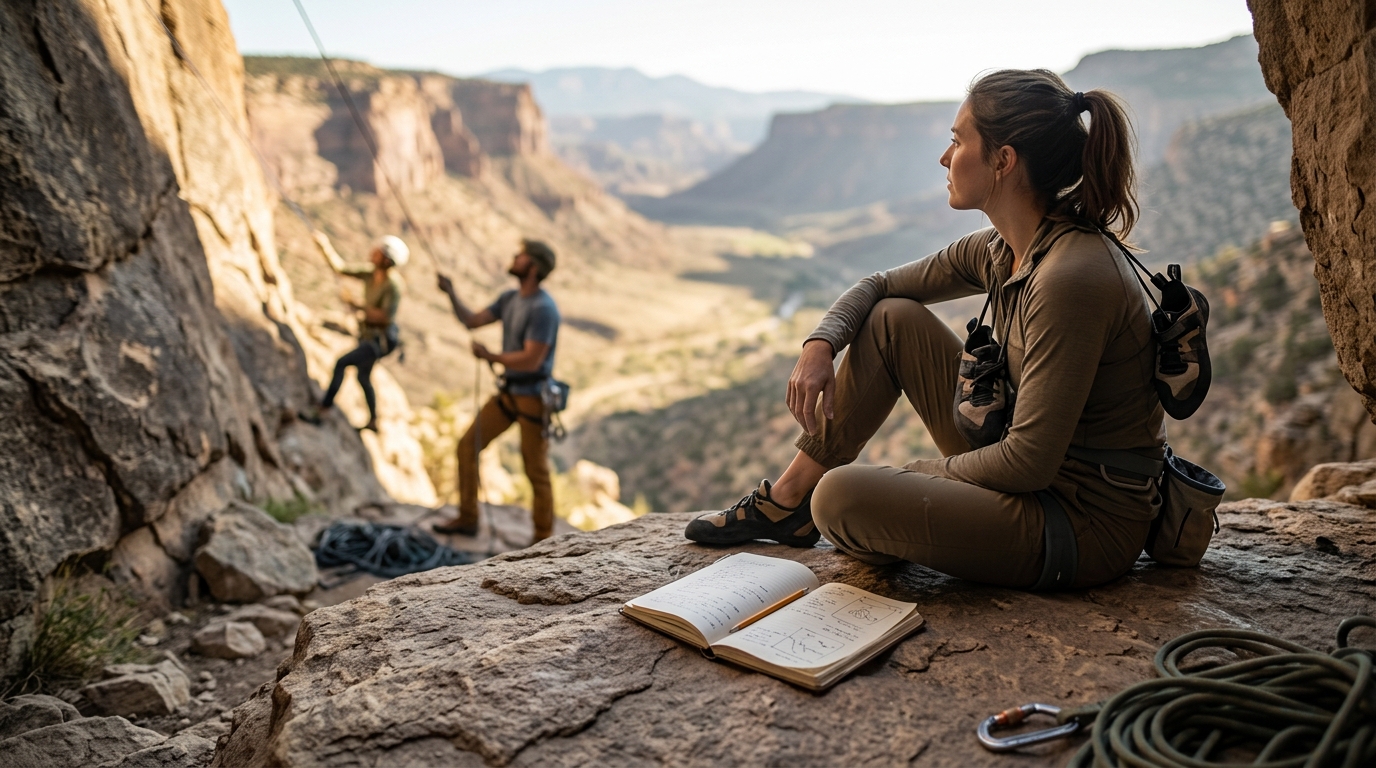
Creating a Personalized Rock Climbing Training Plan: A Guide for Aspiring Climbers
Rock climbing is a challenging and rewarding sport that requires dedication, strength, and technique. To maximize your potential and achieve your climbing goals, it's essential to have a well-designed training plan. In this guide, we'll walk you through the process of creating a personalized rock climbing training plan tailored to your unique needs and objectives. (CONTACT Paradigm Climbing)
Understanding Your Goals
Before creating a training plan, it's crucial to identify your climbing goals. Are you looking to improve your bouldering skills, master a specific route, or compete at a higher level? Understanding your objectives will help guide your training and ensure that you're focusing on the right areas. (ABOUT Paradigm Climbing)
Assessing Your Current Ability
To create an effective training plan, it's essential to assess your current climbing ability. This includes evaluating your strength, technique, and mental focus. Consider taking a climbing assessment or working with a certified climbing coach to identify your strengths and weaknesses. (Paradigm Climbing Rock Climbing)
Designing Your Training Program
Once you've identified your goals and assessed your current ability, it's time to design your training program. This involves creating a periodized training plan that addresses all aspects of your physical and mental profile. Work with a certified climbing coach or use resources like Paradigm Climbing's custom plans to develop a training program that suits your unique needs. (Paradigm Climbing Rock Climbing)
Implementing Your Training Program
Implementing your training program involves setting realistic goals, creating a schedule, and staying committed to your training. Regularly review your progress and adjust your training plan as needed to ensure that you're making steady progress towards your goals. (BLOG Paradigm Climbing)
Supporting Your Training with Resources
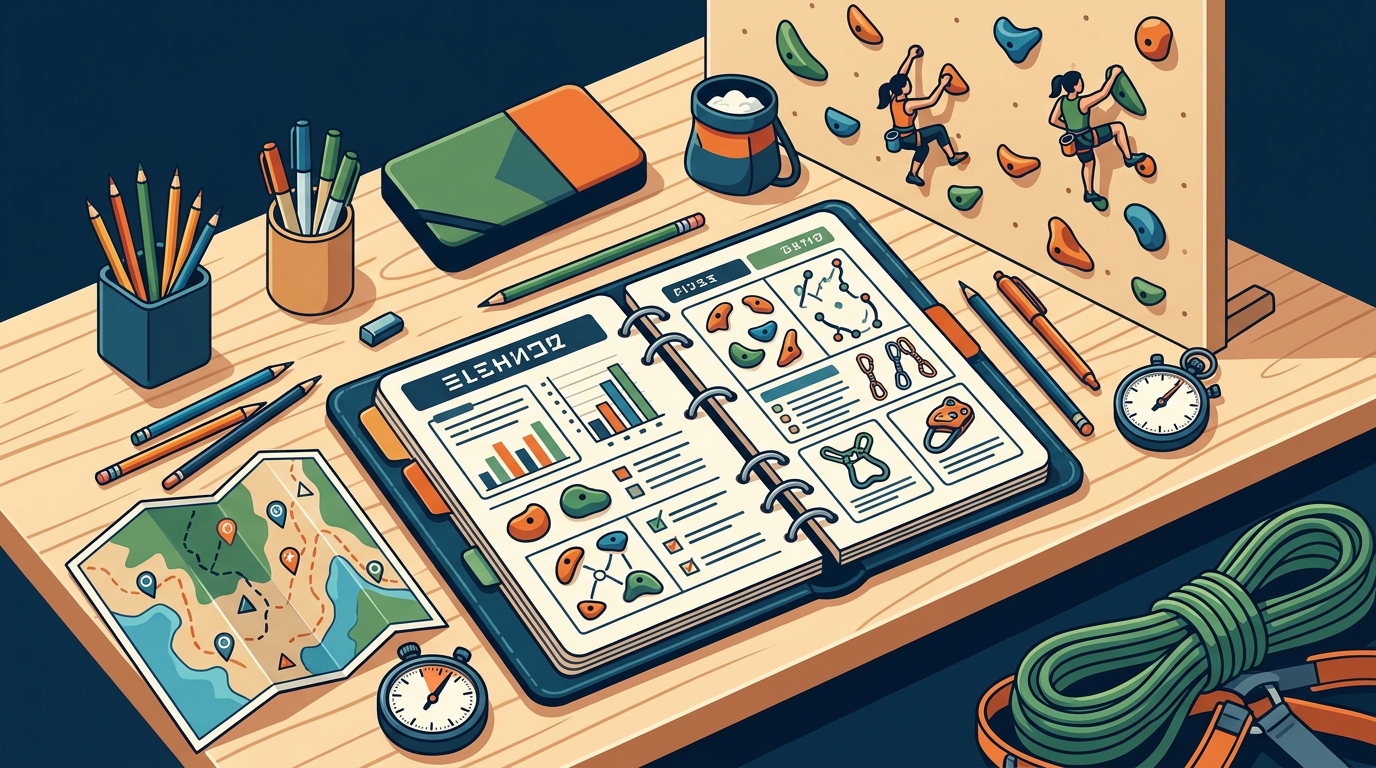
To maximize your climbing potential, it's essential to support your training with the right resources. This includes proper nutrition, rest, and mental preparation. Consider working with a climbing coach, joining a climbing community, and utilizing resources like Paradigm Climbing's blog and training plans to enhance your training experience.
Conclusion
Creating a personalized rock climbing training plan is an essential step towards achieving your climbing goals. By understanding your objectives, assessing your current ability, designing a training program, implementing your plan, and supporting your training with resources, you'll be well on your way to maximizing your climbing potential. Remember, the journey to becoming a better climber is a marathon, not a sprint, so stay committed and enjoy the process!
| Training Component | Description |
|---|---|
| Strength Training | Building overall strength and power through exercises like pull-ups, push-ups, and deadlifts. |
| Technique Training | Developing efficient climbing movements and improving body positioning on the wall. |
| Flexibility and Mobility | Improving flexibility and mobility to reduce the risk of injury and enhance performance. |
| Mental Training | Developing mental focus, visualization, and problem-solving skills to tackle challenging climbs. |
Key Takeaways
- Identify your climbing goals and assess your current ability.
- Design a periodized training program tailored to your unique needs.
- Implement your training plan and regularly review your progress.
- Support your training with proper nutrition, rest, and mental preparation.
- Stay committed to your training and enjoy the process!
Frequently Asked Questions
What is a Personalized Rock Climbing Training Plan?
A personalized rock climbing training plan is a customized program designed to help climbers achieve their specific goals by addressing their unique strengths, weaknesses, and abilities. It typically includes a periodized training schedule, exercises, and resources to support the climber's progress.
How Do I Assess My Current Climbing Ability?
Assessing your current climbing ability involves evaluating your strength, technique, and mental focus. Consider taking a climbing assessment or working with a certified climbing coach to identify your strengths and weaknesses.
What Are the Benefits of Having a Training Plan?
Having a training plan provides structure, focus, and accountability to your climbing training. It helps you set realistic goals, prioritize your efforts, and track your progress towards achieving your objectives.
How Can I Support My Training with Resources?
Supporting your training with resources includes proper nutrition, rest, and mental preparation. Consider working with a climbing coach, joining a climbing community, and utilizing resources like Paradigm Climbing's blog and training plans to enhance your training experience.
How Long Does It Take to See Results from a Training Plan?
The length of time it takes to see results from a training plan varies depending on the individual's starting point, dedication, and consistency. Some climbers may see improvements in a few weeks, while others may take several months to notice significant progress.