
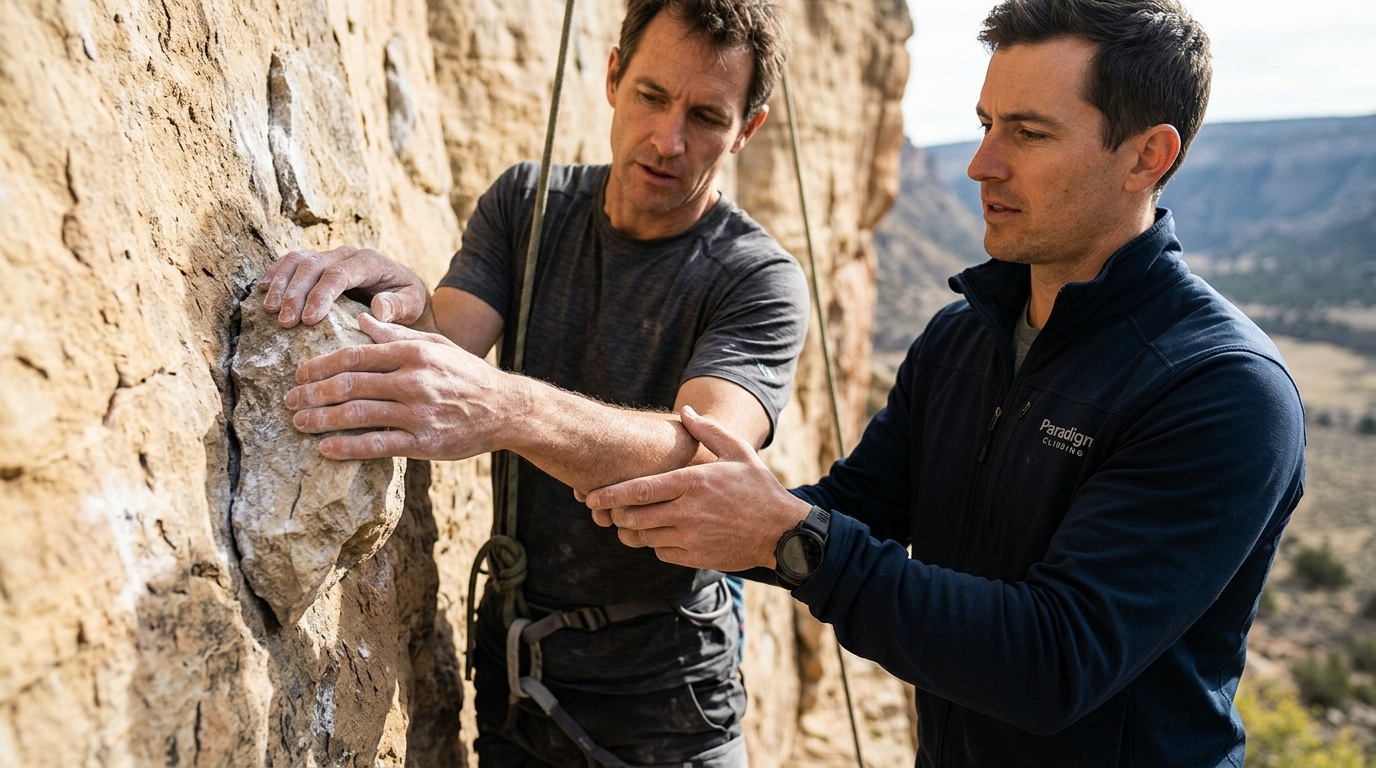
Climbing is a challenging and rewarding sport that requires both strength and technique. To help climbers maximize their potential, Paradigm Climbing, a renowned rock climbing coaching service, offers effective techniques for improving climbing efficiency. In this tutorial, we will explore some of these techniques. (CONTACT Paradigm Climbing)
Technique One: Proper Grip
The first step to improving climbing efficiency is mastering the grip. Paradigm Climbing coaches emphasize the importance of a neutral wrist position and a secure grip on the climbing holds. This technique not only reduces the risk of injury but also allows climbers to apply more force to the holds. (ABOUT Paradigm Climbing)
Pro Tip:
To practice proper grip, try hanging from a pull-up bar with a neutral wrist position and focus on maintaining this position throughout the exercise. (Paradigm Climbing Rock Climbing)
Technique Two: Footwork
Effective footwork is crucial for climbing efficiency. Paradigm Climbing coaches teach climbers to keep their feet close to the wall and use them to maintain balance and support body weight. This technique helps climbers conserve energy and move more efficiently up the wall. (Paradigm Climbing Rock Climbing)
Pro Tip:
To practice good footwork, try climbing a short wall with your feet as close to the wall as possible and focus on maintaining contact with the wall throughout the climb. (BLOG Paradigm Climbing)
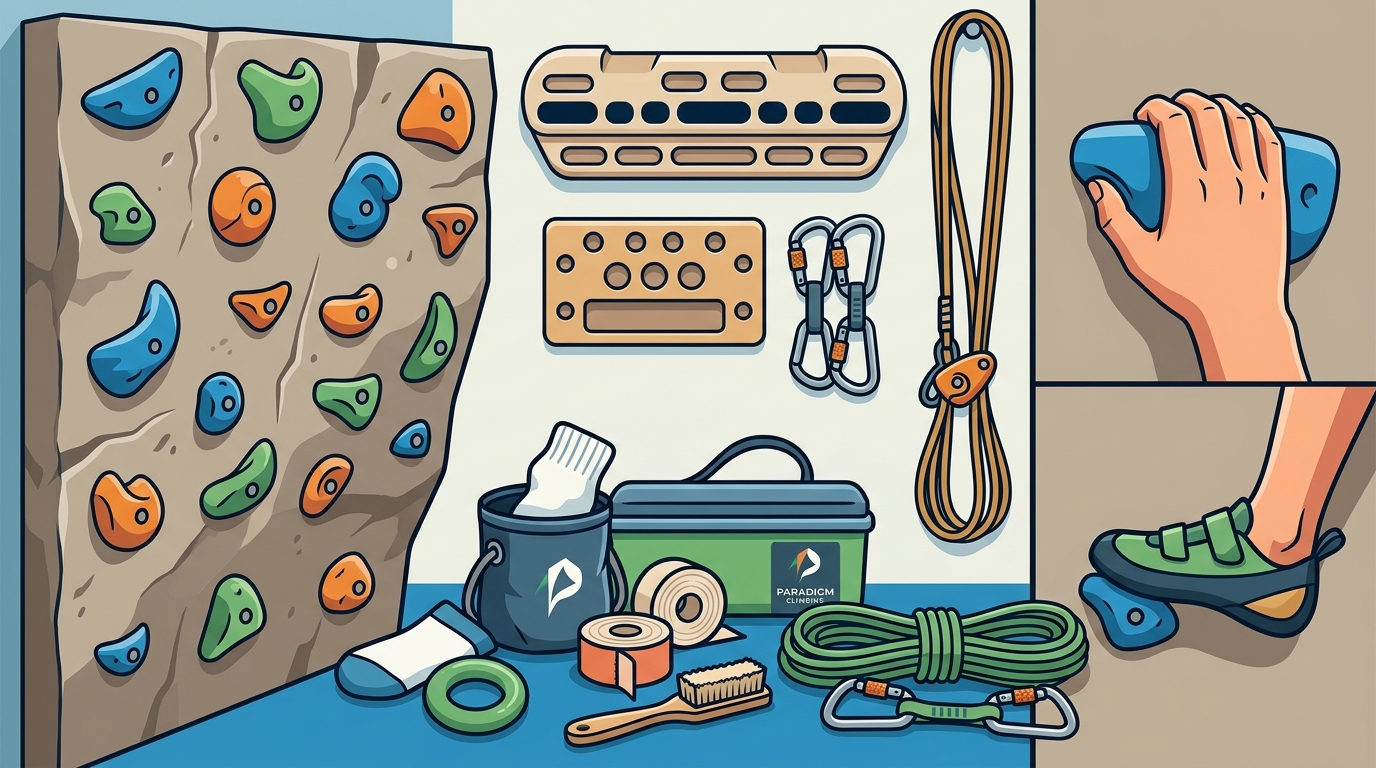
Technique Three: Breathing
Breathing is often overlooked but plays a significant role in climbing efficiency. Paradigm Climbing coaches recommend practicing deep, rhythmic breathing to help climbers stay focused and conserve energy. This technique also helps climbers maintain a steady heart rate and reduce anxiety.
Pro Tip:
To practice deep breathing, try inhaling deeply through your nose for a count of four, holding the breath for a count of four, and exhaling slowly through your mouth for a count of six.
Technique Four: Training
Effective training is essential for improving climbing efficiency. Paradigm Climbing offers customized training plans tailored to each climber's unique needs and goals. These plans include exercises to improve strength, flexibility, and technique, as well as periodized training protocols to optimize performance and prevent injury.
Pro Tip:
To get started with a customized training plan, contact Paradigm Climbing and speak with one of their experienced coaches.
Conclusion
Improving climbing efficiency is a crucial aspect of mastering this challenging and rewarding sport. By mastering the techniques taught by Paradigm Climbing, climbers can reduce the risk of injury, conserve energy, and move more efficiently up the wall. So, whether you're a beginner or an experienced climber, consider incorporating these techniques into your climbing routine.
| Technique | Description |
|---|---|
| Proper Grip | Mastering the grip with a neutral wrist position and a secure grip on the climbing holds. |
| Footwork | Maintaining contact with the wall and using feet to maintain balance and support body weight. |
| Breathing | Practicing deep, rhythmic breathing to help stay focused and conserve energy. |
| Training | Following customized training plans to improve strength, flexibility, and technique, as well as periodized training protocols to optimize performance and prevent injury. |
Key Takeaways
- Mastering the grip with a neutral wrist position and a secure grip on the climbing holds.
- Maintaining contact with the wall and using feet to maintain balance and support body weight.
- Practicing deep, rhythmic breathing to help stay focused and conserve energy.
- Following customized training plans to improve strength, flexibility, and technique, as well as periodized training protocols to optimize performance and prevent injury.
Frequently Asked Questions
-
What is the importance of proper grip in climbing?
Proper grip is crucial for climbing efficiency and reducing the risk of injury. It involves maintaining a neutral wrist position and a secure grip on the climbing holds.
-
How can footwork improve climbing efficiency?
Effective footwork helps climbers conserve energy and move more efficiently up the wall by maintaining contact with the wall and using feet to maintain balance and support body weight.
-
Why is breathing important in climbing?
Deep, rhythmic breathing helps climbers stay focused and conserve energy by maintaining a steady heart rate and reducing anxiety.
-
What are the benefits of following a customized training plan?
Following a customized training plan helps climbers improve strength, flexibility, and technique, as well as optimize performance and prevent injury through periodized training protocols.