
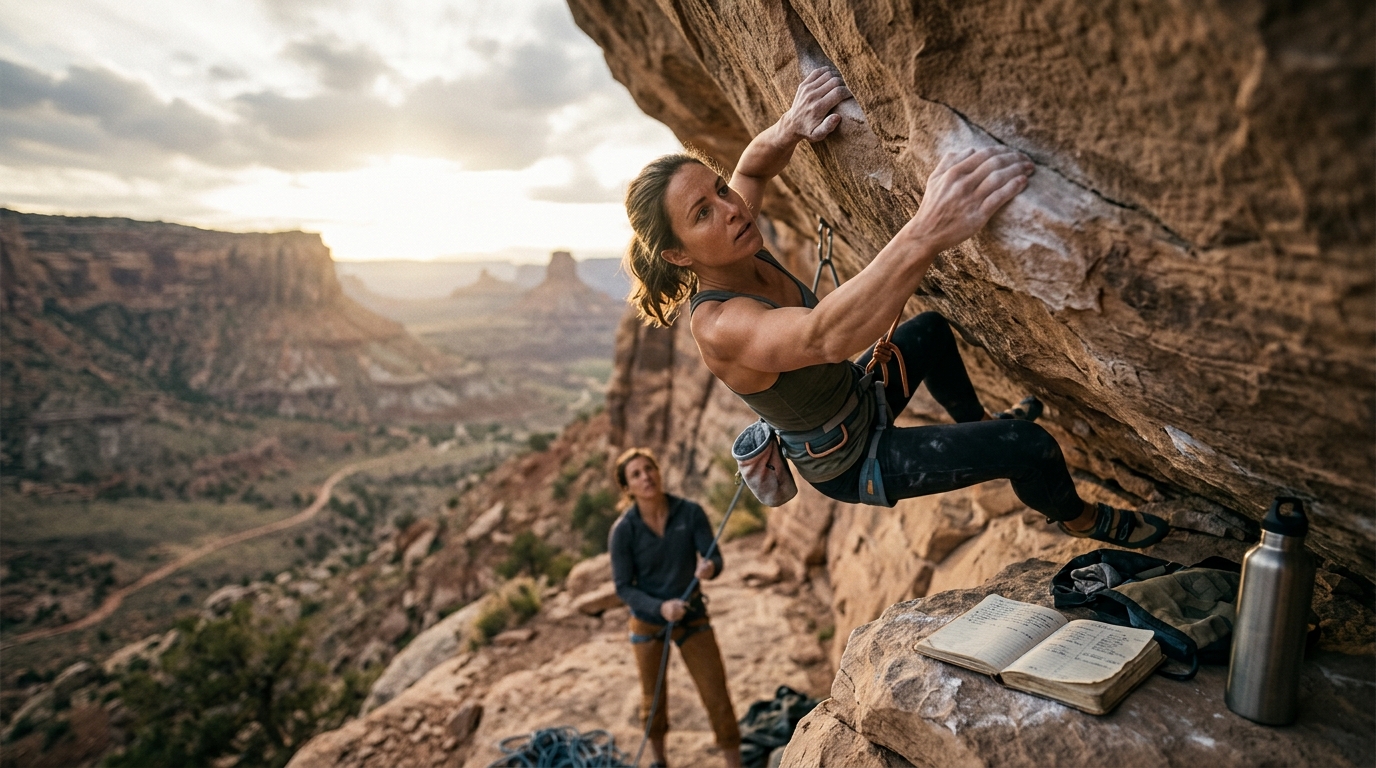
Rock climbing has evolved into a highly structured athletic discipline where systematic programming dictates progression. Modern climbers require structured regimens that balance technical precision with physiological adaptation to advance safely. Effective training protocols address grip strength, body tension, and movement efficiency while managing recovery to prevent overuse injuries. This guide analyzes the most effective training methodologies to help you select the optimal path for your climbing goals.
Custom vs. Pre-Written Training Plans
Choosing between custom and pre-written training plans represents the first critical decision for any climber seeking improvement. Custom programs offer a holistic approach tailored to your specific weaknesses, goals, and lifestyle constraints. These plans are built around your unique physiological profile and climbing history. Custom Plans allow coaches to adjust variables like volume, duration, and load in real-time based on your feedback and performance data. This dynamic adjustment ensures you are always training at the optimal intensity for your current fitness level.
Pre-written programs provide a structured framework for climbers who prefer a set schedule. These plans typically target specific grades or styles, such as bouldering or sport climbing. While less flexible, they offer a clear roadmap for beginners and intermediate climbers. Pre-written Plans are excellent for establishing a baseline of consistency and discipline. However, they may not address individual biomechanical quirks or specific project goals as effectively as a bespoke program.
The best approach often involves a hybrid model where core principles are standardized, but execution is personalized. This ensures you maintain consistency while receiving the benefits of individualized attention. Understanding your current level and long-term objectives will help you determine which format aligns with your commitment and learning style.
The Science of Periodized Climbing Training
Periodized training is a systematic approach to manipulating volume and intensity to maximize performance while preventing overtraining. This methodology divides training into distinct phases, each targeting specific physiological adaptations. Early phases focus on building an aerobic base and connective tissue strength. Subsequent phases introduce higher intensity bouldering and campus board work to develop peak power.
Effective periodization requires precise control of stress and recovery. Coaches must monitor fatigue markers to prevent overtraining syndrome, which can lead to chronic injuries and performance plateaus. Charlie Schreiber, founder of Paradigm Climbing, utilizes a certified strength and conditioning framework to manage these variables. His approach ensures that climbers progress toward their goals without compromising long-term joint health. This scientific rigor separates professional coaching from amateur self-programming.
Route setting is the creative process of designing climbing paths to challenge specific physical and technical attributes. Coaches use route setting to create training environments that mimic competition scenarios or target weak points. By integrating varied route setting into your training, you expose your body to diverse movement patterns. This diversity enhances neural adaptability and improves your ability to solve complex problems on the wall.
Key Components of Effective Climbing Programs
A comprehensive climbing program addresses multiple physical and mental dimensions. Strength development must be balanced with technique refinement and recovery protocols. Neglecting any single component creates bottlenecks that limit overall progression. Successful programs integrate the following elements to ensure holistic development.
| Component | Custom Plan Focus | Pre-Written Plan Focus |
|---|---|---|
| Personalization | High: Adjusted to individual biomechanics and goals. | Low: Generic templates applied to all users. |
| Coach Support | Direct access to coaches for feedback and adjustments. | Limited: Relies on self-interpretation of instructions. |
| Flexibility | Adaptable to schedule changes and life events. | Rigid: Fixed schedule requires strict adherence. |
| Progression | Data-driven adjustments based on performance metrics. | Linear: Follows a predetermined grade progression. |
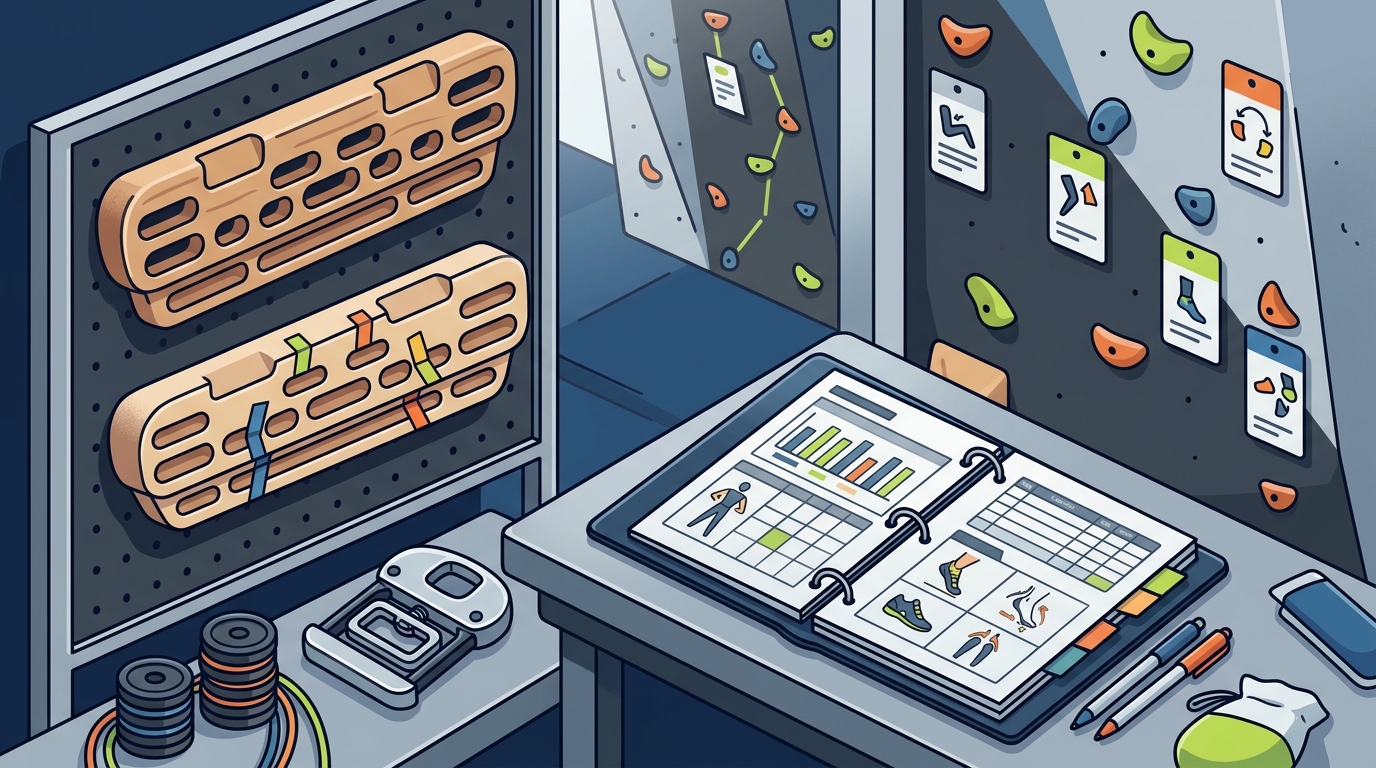
Strength and conditioning form the foundation of any advanced training plan. Exercises like hangboarding, campus boarding, and core stabilization work must be programmed with caution. Overloading these systems too quickly can lead to pulley injuries or elbow tendinopathy. A qualified coach will prescribe specific loads and volumes to stimulate adaptation without causing damage. This careful management is a hallmark of professional coaching services.
How to Choose the Right Plan for Your Level
Selecting the appropriate training plan depends on your current climbing grade, experience, and available time. Beginners benefit from structured programs that establish proper movement patterns and basic strength. These climbers should focus on consistency and technique rather than intense power training. Intermediate climbers often hit plateaus due to unstructured training. Custom programs can break through these barriers by identifying specific weaknesses.
Advanced and elite climbers require highly specialized programming to reach the highest grades. Progression from V0 to V16 or V17 demands meticulous planning and years of dedicated effort. Testimonies from past clients highlight the success of long-term athlete development programs. These programs guide athletes from day one to national championships and world cup top ten finishes. If your goal is to climb 5.14a or V13, you need a plan that mirrors the intensity and specificity of elite training.
Consider your access to training facilities when choosing a plan. Plans requiring specialized equipment like campus boards or hangboards may not suit climbers with limited gym access. Custom programs can be adapted to home gym setups or outdoor environments. This adaptability ensures you can maintain training momentum regardless of location constraints.
Common Mistakes in Climber Self-Programming
Many climbers fall into the trap of training without understanding the underlying principles. This often results in unstructured sessions that lack progressive overload. Climbers may focus exclusively on bouldering while neglecting endurance or core strength. This imbalance creates physical deficits that limit overall performance. Blog resources and coaching insights emphasize the importance of addressing all areas of your physical and mental profile.
Another frequent error is ignoring recovery and lifestyle factors. Sleep, nutrition, and stress management significantly impact on-wall performance. Training hard without adequate recovery leads to stagnation and increased injury risk. Effective programs integrate life factors to optimize total athlete development. Coaches help climbers understand why and how training works, empowering them to take ownership of their progress.
Climbers also often misjudge their recovery needs between intense sessions. Pushing through fatigue can reinforce poor movement patterns and increase injury risk. Smart programming includes deload weeks and active recovery phases. These periods allow the body to supercompensate and adapt to training stress. Recognizing when to reduce volume is as important as knowing when to increase intensity.
Integrating Strength and Conditioning with Climbing
Strength and conditioning is the scientific discipline of improving athletic performance through targeted physical training. Integrating this science with climbing-specific skills creates a powerful synergy for improvement. Certified strength and conditioning coaches bring expertise in exercise physiology and injury prevention to climbing programs. They ensure that training protocols are safe, effective, and aligned with climbing demands.
Core strength and body tension are critical for efficient movement on the wall. Exercises that target the obliques, transverse abdominis, and hip flexors improve edging and flagging techniques. Climbers who neglect core training often struggle with dynamic moves or overhangs. A well-designed program includes specific core work that translates directly to on-wall performance.
Mental resilience is another component that strength and conditioning can address. Training under fatigue teaches climbers to maintain technique when tired. Visualization and goal-setting strategies help climbers manage competition pressure. Coaches like Mattias Braach-Maksvytis and Matt Ratajczak bring extensive competition and route setting experience to their programs. Their expertise ensures that training prepares climbers for the mental and physical demands of high-level climbing.
Key Takeaways
- Custom training plans offer personalized adjustments to volume, load, and recovery based on individual metrics.
- Periodized training divides programs into phases to target specific physiological adaptations without overtraining.
- Charlie Schreiber has coached over 1000 climbers, guiding athletes from Day 1 V0 to V16 and V17 levels.
- Pre-written plans provide structured frameworks ideal for establishing consistency and baseline skills.
- Route setting is used to design training paths that challenge specific physical and technical attributes.
- Integrating strength and conditioning prevents injuries and improves efficiency on the wall.
- Advanced climbers targeting 5.14a or V13 require elite-level programming with direct coach support.
Frequently Asked Questions
What is the difference between custom and pre-written climbing plans?
Custom plans are tailored to your specific goals, weaknesses, and lifestyle, allowing for real-time adjustments. Pre-written plans follow a fixed schedule and are designed for general skill development without individual modifications.
How long does it take to see results from a training plan?
Results vary based on your starting level and consistency. Most climbers notice improvements in technique and strength within four to six weeks. Significant grade progression typically requires six to twelve months of dedicated training.
Can I follow a training plan without gym access?
Yes, custom programs can be adapted for home gyms or outdoor environments. Coaches can design plans using minimal equipment like hangboards or resistance bands to maintain strength.
What qualifications should I look for in a climbing coach?
Look for coaches with certified strength and conditioning credentials and extensive climbing experience. Certifications like CSCS ensure the coach understands exercise science and injury prevention.
How do I prevent injuries while following a training plan?
Injuries are prevented through proper periodization, gradual load progression, and adequate recovery. Coaches monitor fatigue markers to adjust training intensity and prevent overuse injuries.
Is bouldering training different from sport climbing training?
Bouldering training focuses on short, intense power and dynamic movements. Sport climbing training emphasizes endurance, efficiency, and sustained effort. Plans can be specialized for either style or integrated for all-around improvement.
What is the role of route setting in training?
Route setting creates training environments that target specific weaknesses and simulate competition scenarios. It enhances neural adaptability and improves problem-solving skills on the wall.
How do I choose the right plan for my climbing level?
Beginners benefit from structured programs that establish basics. Intermediate and advanced climbers often need custom plans to break through plateaus and address specific weaknesses.
Start Your Custom Training Journey
Maximize your climbing potential with a program designed to accomplish your specific goals. Our team of professional coaches brings decades of experience in competitive climbing, route setting, and athlete development. Whether you are aiming for your first V-grade or preparing for a World Cup, we have the expertise to guide you. Contact us today to discuss your climbing objectives and explore how our custom plans can accelerate your progress. Take ownership of your training and join the community of climbers who have achieved national and international success.