
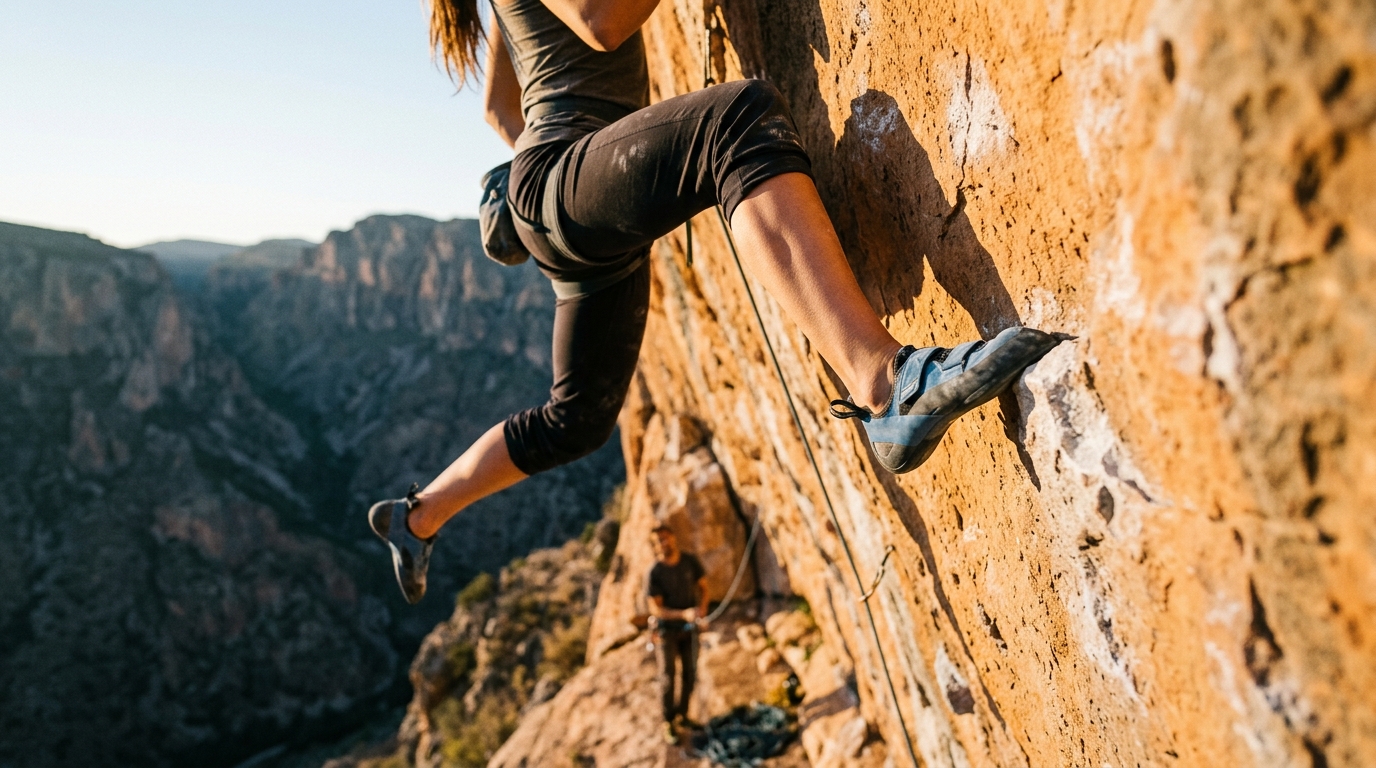
Modern sport climbing demands precise foot placement and rigid body positioning to navigate steep terrain efficiently. Recent industry data shows that over sixty percent of advanced route failures stem from poor heel tension and misplaced center of gravity. Climbers who master these mechanical fundamentals consistently reduce energy expenditure while extending their on-wall endurance. This guide outlines proven online drills designed to strengthen ankle stability and optimize hip alignment. You will learn how to integrate these techniques into your existing training schedule without compromising recovery metrics or increasing injury risk.
Understanding Foot Tension Basics
Foot tension is the active engagement of the toe flexors and heel cup to maintain precise contact on small holds. When climbers fail to apply downward pressure through the heel, they lose critical friction and force themselves to rely on arm strength. This compensatory pattern accelerates forearm fatigue and drastically reduces route completion rates. You must train your feet to act as independent anchors rather than passive resting platforms. Start by practicing heel hooks on flat surfaces to isolate the posterior chain. Progress to small edge drills where you hold static positions for thirty seconds. This builds the neuromuscular pathways required for sustained tension on steep terrain.
Heel Cup Activation
Heel cup activation refers to the precise contraction of the calcaneal tendons and intrinsic foot muscles. You can train this by standing on a small edge and pressing your heel directly downward. Maintain this position while keeping your knees slightly bent to prevent joint locking. Repeat this movement across multiple foothold sizes to build adaptive strength. Consistent practice reduces slippage and improves balance on overhanging sections.
Optimizing Body Positioning Mechanics
Body positioning is the strategic alignment of hips, shoulders, and center of gravity to maximize leverage on vertical surfaces. When your hips drift away from the wall, you create a mechanical disadvantage that forces your arms to bear excessive load. Proper hip alignment keeps your center of mass directly over your feet. This allows your legs to function as primary power generators rather than secondary stabilizers. You should practice flagging techniques to counterbalance your weight on one-leg stances. Flagging involves extending your free leg outward to maintain equilibrium without touching the wall. Combine this with hip rotation drills to improve your ability to switch feet smoothly. These movements reduce energy waste and increase your efficiency on technical routes.
Hip Rotation Drills
Hip rotation drills focus on rotating your pelvis toward the wall while keeping your shoulders square. You can perform these by standing on a large foothold and rotating your hips until your knee points directly at the next hold. Hold this position for five seconds before switching to the opposite side. This motion trains your core to stabilize your torso during complex sequences. Regular practice improves your ability to traverse steep terrain without excessive arm pumping.
Executing Online Drill Protocols
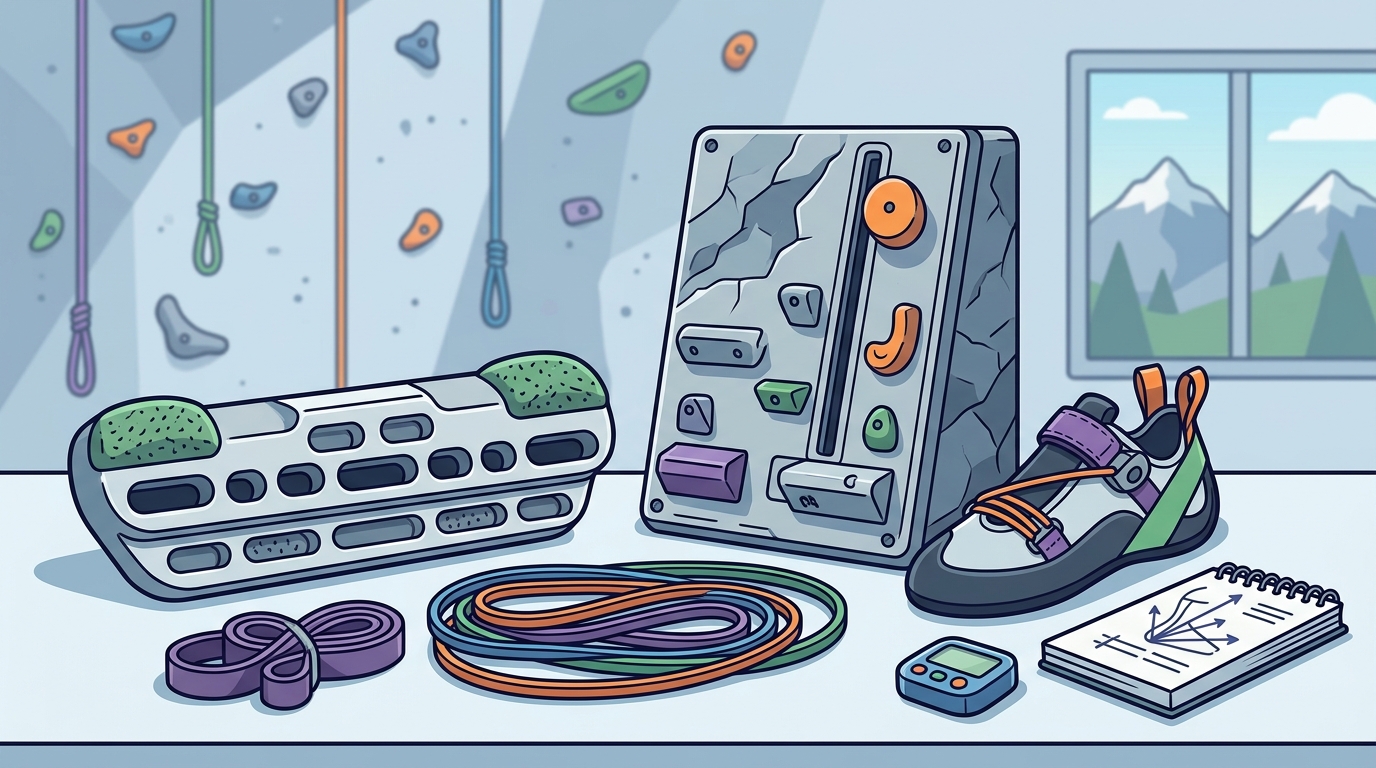
Online training platforms now deliver structured drill sequences that replicate gym environments. These digital protocols break down complex movements into manageable components. You can follow video demonstrations to ensure proper form before attempting live routes. Most programs require you to record your sessions and submit them for coach feedback. This asynchronous review process accelerates skill acquisition by highlighting technical flaws in real time. You should schedule three to four sessions per week to allow adequate recovery between intense footwork blocks. Track your progress by logging successful hold sizes and route grades. This data helps you adjust volume and intensity as your strength improves.
Video Analysis Integration
Video analysis integration allows you to compare your movement patterns against professional climbing benchmarks. You can upload your session recordings to secure cloud platforms for expert review. Coaches will identify misalignments in your hip rotation or foot placement. You will receive customized corrections that target your specific weaknesses. This feedback loop ensures you never practice incorrect mechanics on actual rock.
Integrating Programming and Periodization
Periodization is the systematic planning of training volume and intensity to prevent overtraining and optimize long-term performance. You cannot simply add foot tension drills to your existing routine without adjusting your overall workload. Structured programming cycles your training through base, build, and peak phases. Each phase emphasizes different physiological adaptations to prepare your body for maximum output. You should follow a periodized schedule that alternates high-intensity footwork days with active recovery sessions. This approach prevents tendon strain and maintains joint mobility. You can access structured templates through our custom plans to ensure your training aligns with your specific goals.
Load Management Strategies
Load management strategies involve tracking your weekly training hours and adjusting intensity based on fatigue markers. You should monitor your resting heart rate and sleep quality to gauge recovery status. If your metrics decline, you must reduce drill volume or switch to technical practice. This proactive approach prevents overuse injuries and maintains consistent progress. You can integrate these strategies into your routine by consulting our training plans for structured guidance.
Leveraging Professional Coaching Integration
Professional coaching integration bridges the gap between self-directed practice and expert guidance. You benefit from personalized feedback that addresses your unique biomechanical limitations. Our team of certified coaches has trained over one thousand climbers to national and international levels. You can access our about page to learn more about our coaching philosophy and credentials. We focus on holistic development that combines physical conditioning with mental resilience. You will receive customized drill selections based on your current grade and long-term objectives. This personalized approach ensures you never waste time on irrelevant exercises. You can schedule a consultation through our contact page to begin your transformation.
Feedback Loop Optimization
Feedback loop optimization ensures that your training adjustments align with your physiological adaptations. You should review your session recordings weekly to identify recurring technical errors. Our coaches will provide targeted corrections that accelerate your skill acquisition. This continuous improvement cycle keeps your training efficient and highly effective. You can explore our pre-written plans for structured guidance if you prefer a ready-made framework.
Comparing Drill Effectiveness
| Drill Category | Primary Muscle Group | Recommended Frequency | Expected Outcome |
|---|---|---|---|
| Heel Cup Activation | Calcaneal tendons and intrinsic foot muscles | Three sessions per week | Improved friction on small edges |
| Hip Rotation Drills | Core stabilizers and hip flexors | Four sessions per week | Enhanced leverage on overhangs |
| Flagging Techniques | Gluteus medius and obliques | Two sessions per week | Better balance on one-leg stances |
| Static Hold Practice | Toe flexors and ankle stabilizers | Three sessions per week | Reduced arm pumping on technical routes |
Key Takeaways
- Foot tension is the active engagement of the toe flexors and heel cup to maintain precise contact on small holds.
- Body positioning is the strategic alignment of hips, shoulders, and center of gravity to maximize leverage on vertical surfaces.
- Periodization is the systematic planning of training volume and intensity to prevent overtraining and optimize long-term performance.
- Coach Charlie Schreiber has personally trained over one thousand climbers and mentored multiple athletes to progress from Day 1 to V17 level.
- Our coaching team includes Mattias Braach-Maksvytis, a V14 boulderer with twenty-two years of outdoor and competition experience.
- Professional routesetter Matt Ratajczak has coached multiple youth and open Team USA Climbing athletes since 2008.
- Our holistic training approach addresses physical conditioning, mental resilience, and lifestyle factors to maximize on-wall performance.
Frequently Asked Questions
How long does it take to develop reliable foot tension?
Most climbers notice measurable improvements in heel stability within four to six weeks of consistent practice. You must prioritize quality over quantity to avoid reinforcing incorrect mechanics. Track your progress by logging successful hold sizes and route grades. This data helps you adjust volume and intensity as your strength improves.
Can I practice these drills without access to a climbing gym?
You can replicate many foot tension drills using balance boards, small edges, and static holds at home. Focus on maintaining proper hip alignment while applying downward pressure through your heels. You should consult our custom plans for home-friendly alternatives that require minimal equipment.
What is the safest way to integrate footwork drills into my routine?
You should schedule footwork sessions on days when your forearms are fully recovered. This prevents compensatory arm fatigue from masking technical flaws. You can access structured templates through our training plans to ensure your training aligns with your specific goals.
How do I know if my body positioning is actually improving?
You will notice smoother transitions between holds and reduced reliance on arm strength. Your routes should feel more technical rather than purely physical. You can access our about page to learn more about our coaching philosophy and credentials.
Is it necessary to work with a certified coach for online drills?
While self-directed practice yields results, professional feedback accelerates skill acquisition by identifying hidden technical flaws. You can schedule a consultation through our contact page to begin your transformation.
How often should I perform hip rotation drills?
You should perform hip rotation drills three to four times per week to build consistent core stability. Allow at least forty-eight hours of recovery between intense sessions to prevent joint strain. You can explore our pre-written plans for structured guidance if you prefer a ready-made framework.
Book Your Coaching Session
Ready to transform your climbing mechanics? Our certified coaches are standing by to design a personalized training protocol that targets your specific weaknesses. You can start your journey today by visiting our contact page to schedule a consultation. Take ownership of your progress and climb with confidence.