
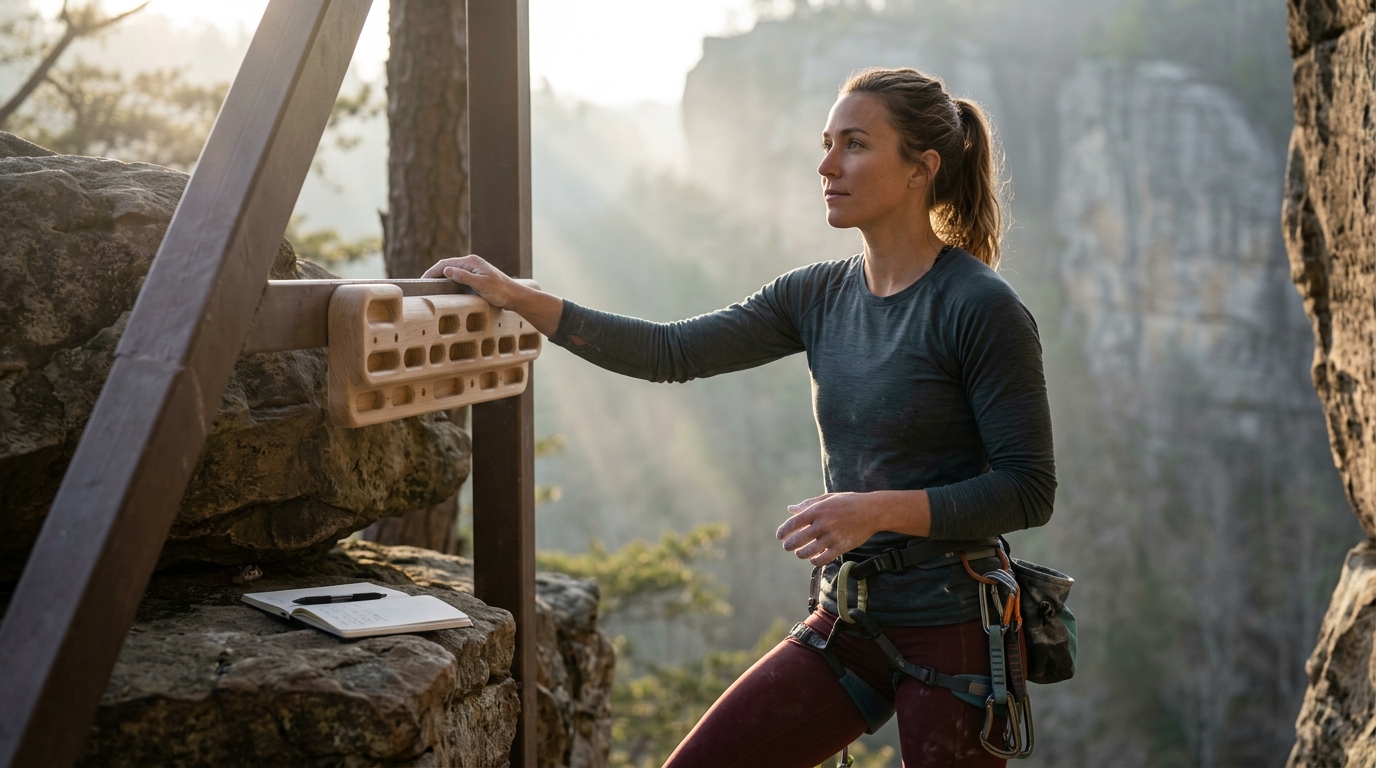
Building a personalized rock climbing training plan requires moving beyond random gym sessions to structured progression. This approach eliminates guesswork by aligning your volume, intensity, and recovery with specific performance targets. Climbers who adopt structured protocols consistently report higher retention rates and fewer overuse injuries than those relying on unstructured play. Whether you aim to send your first V-grade boulder or qualify for a national championship, a custom plan ensures every session drives measurable results. This guide outlines the exact framework used by elite coaches to transform raw potential into consistent on-wall performance.
Define Your Climbing Goals and Current Baseline
Creating a custom climbing program starts with a clear assessment of your objectives. You must identify whether your focus lies on bouldering, sport climbing, or competition. Bouldering goals often center on specific V-grades, while sport climbing targets may involve reaching 5.14a or higher. Your baseline assessment should include your current max grade, finger strength capacity, and endurance limits. Coach Charlie Schreiber emphasizes that understanding your starting point allows for precise goal setting. He has mentored athletes progressing from Day 1, V0 status to V16 and V17 levels. This trajectory demonstrates the power of realistic milestone mapping. You should document your recent sends, failed attempts, and recurring injury patterns. This data forms the foundation of your training architecture.
Consulting custom training plans ensures your objectives align with available resources and time commitments. High-level goals require distinct physiological adaptations. A V10 boulder demand differs significantly from a 5.13 sport route. Your plan must reflect these technical distinctions. Long-term athlete development is a structured methodology that guides climbers from beginner status to elite competition through age-appropriate and goal-specific milestones. This concept ensures you do not skip critical developmental phases. Rushing progression often leads to plateaus or tendon injuries. Establishing a baseline also involves evaluating your mental resilience. Climbing at the elite level demands psychological durability alongside physical power.
Assess Your Physical Profile and Limitations
A comprehensive assessment identifies your strengths and weaknesses across all climbing disciplines. You need to evaluate your finger strength, core stability, and shoulder mobility. Routesetters like Matt Ratajczak utilize diagnostic methods to pinpoint specific movement inefficiencies. Matt is a professional routesetter and climbing coach based in Albuquerque who has mentored multiple youth and open Team USA Climbing athletes. His expertise highlights the importance of technical precision in your assessment. You should test your range of motion and identify any asymmetries in your body. Asymmetries often lead to compensatory movements that increase injury risk over time.
Reviewing your injury history is equally critical. Past injuries dictate recovery protocols and load management strategies. Coach Charlie Schreiber holds a CSCS certification, which allows him to prescribe safe and effective training loads. His background includes climbing up to the V13 and 5.14a level, giving him practical insight into high-level physical demands. You must be honest about your limitations during the assessment phase. Hiding injuries or weaknesses compromises the entire training structure. A thorough profile enables your coach to design interventions that address your unique needs. This process ensures your plan is both challenging and sustainable.
Structure Periodized Training Cycles
Periodized training is a systematic approach to manipulating volume, duration, and load to optimize performance while preventing overtraining. This methodology divides your training into distinct phases, each targeting specific physiological adaptations. You might begin with a hypertrophy phase to build tissue resilience, followed by a strength phase to increase force production. The final phase focuses on power and sport-specific skills. This structure prevents stagnation and promotes continuous improvement. Coach Charlie has been honing his competitive and outdoor climbing skills since 2013, coaching and competing at National Championships and World Cups. His experience with periodization ensures your cycles align with your competitive calendar or personal goals.
Managing volume and intensity is the core challenge of periodization. Too much volume leads to overtraining, while too little intensity fails to stimulate adaptation. Your plan must balance these variables to drive progress. You should track your training load using metrics like hangboard sessions, boulder attempts, and route repetitions. Monitoring these variables allows you to adjust your plan in real time. If your performance declines, you may need to introduce a deload week. Deload weeks reduce volume while maintaining intensity, allowing your body to recover and supercompensate. This strategy is essential for long-term success. Without proper periodization, climbers often hit plateaus or suffer from burnout. Structured cycles keep your training fresh and effective.
Integrate Full Spectrum Conditioning
Full spectrum training addresses all physical and mental factors affecting on-wall performance, including grip strength, core stability, and route reading. This holistic approach ensures you develop the complete skill set required for elite climbing. You should incorporate exercises that mimic climbing movements, such as campus board drills and board games. These activities improve your neuromuscular coordination and finger strength. Mattias Braach-Maksvytis brings 22 years of outdoor and competition experience to his coaching. He is a V14 boulderer and first ascensionist who has coached rock climbers for competitions and the outdoors for the last 8 years. His perspective emphasizes the importance of diverse training stimuli. You must challenge your body in multiple ways to achieve full spectrum development.
Mental training is another critical component of full spectrum conditioning. Visualization techniques and route reading practice enhance your cognitive performance. You should spend time studying complex routes before attempting them. This practice improves your efficiency and reduces wasted energy on the wall. Coach Charlie's work focuses on helping climbers understand why and how training works, not just what to do. This philosophy encourages climbers to take ownership of their progress. You should maintain a training journal to record your mental and physical observations. Reflecting on your sessions helps you identify patterns and make informed adjustments. Full spectrum training transforms you into a well-rounded climber capable of handling any challenge.
Monitor Progress and Adjust Load Variables
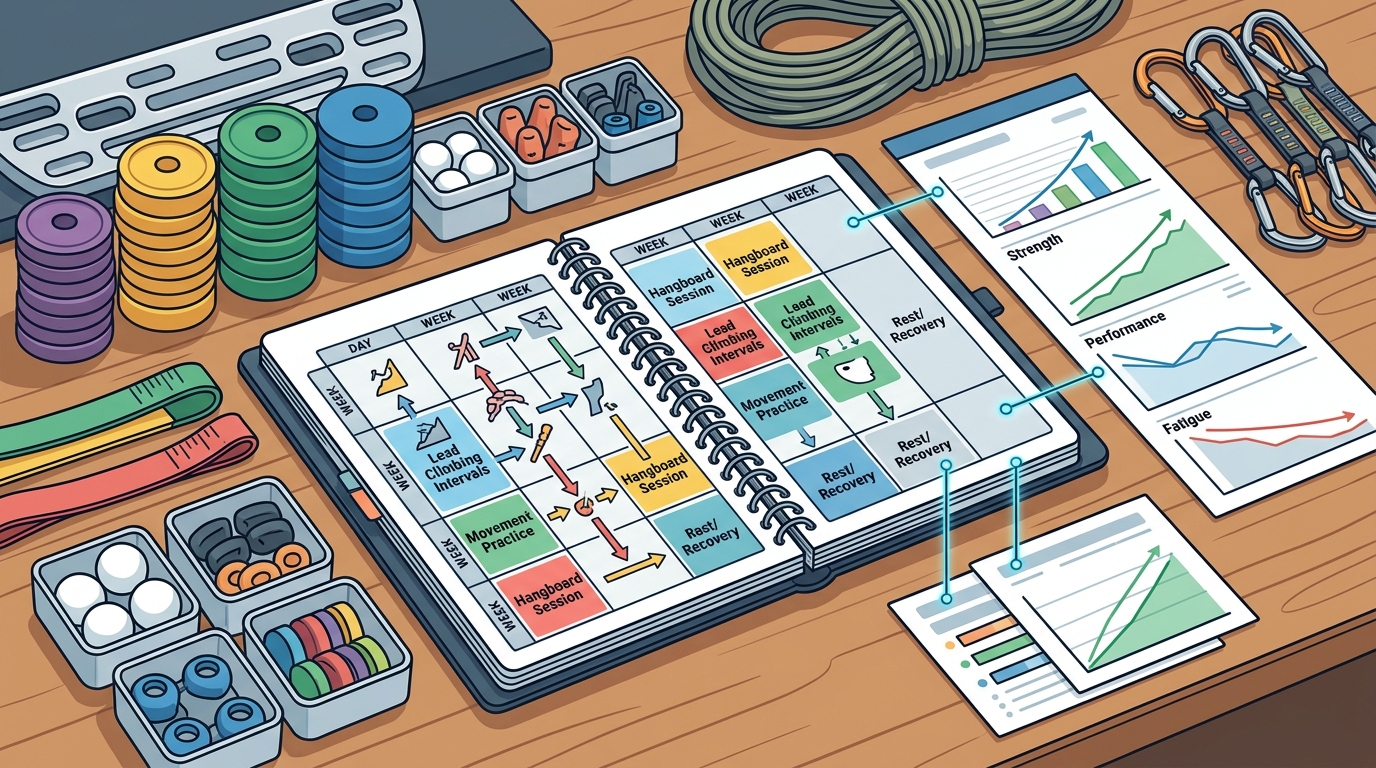
Regular monitoring ensures your plan remains aligned with your goals. You should track your performance metrics, such as max hangs, boulder grades, and route completion rates. Data collection allows you to measure your progress objectively. Coach Charlie Schreiber has personally trained over 1000 climbers and mentored multiple athletes to progress from Day 1, V0 to the V16 and V17 level. This extensive track record demonstrates the effectiveness of data-driven coaching. You should review your data with your coach every four to six weeks. This review session allows you to adjust your plan based on your current status. If you are progressing faster than expected, you may increase the intensity. If progress stalls, you may need to modify your volume or focus on weak points.
Adjusting load variables requires a deep understanding of your body's response to training. You should pay attention to signs of fatigue, such as persistent soreness or decreased performance. These signals indicate that your recovery may be insufficient. You might need to reduce your training volume or increase your rest days. Conversely, if you feel fresh and strong, you can push harder in your next session. This dynamic adjustment keeps your training effective and prevents overtraining. You should also monitor your lifestyle factors, such as sleep, nutrition, and stress. These factors significantly impact your recovery and performance. A holistic approach to monitoring ensures you address all aspects of your training. This comprehensive strategy maximizes your potential and minimizes risks.
Leverage Expert Coaching for Accelerated Results
Hiring a professional climbing coach accelerates your progress by providing expert guidance and accountability. Coaches like Matt Ratajczak bring specialized knowledge in routesetting and athlete development. Matt has coached and mentored multiple youth and open Team USA Climbing athletes, helping develop their skills through structured programs. His expertise ensures your training aligns with national standards and competition requirements. You benefit from a coach's ability to identify subtle technical flaws that you might miss. This feedback loop speeds up your learning curve and improves your efficiency. Working with a coach also provides motivation and support during challenging phases.
Coach Charlie Schreiber offers a holistic approach to training and climbing, addressing all areas of your physical and mental profile. He prescribes periodized training protocols, controlling volume, duration, and load to optimize performance, prevent injury, and improve performance over the short and long term. Unlike other training for climbing companies, Charlie will be there with you every step of the way for advice, time, and support. This level of engagement ensures you stay on track and achieve your goals. You can explore pre-written plans for structured self-guided options, or opt for fully customized coaching. Visiting about provides more details on the coaching team and their credentials. Investing in expert coaching is an investment in your climbing future. The results speak for themselves, with athletes reaching elite levels and achieving personal bests.
Training Plan Options Comparison
| Plan Type | Best For | Key Features |
|---|---|---|
| Custom Plans | Elite progression and specific grade targets | Periodized protocols, 1-on-1 coaching, injury prevention |
| Pre-Written Plans | Structured self-guided training | Ready-to-use schedules, progressive overload |
| Full Spectrum Coaching | Holistic performance optimization | Mental and physical integration, route setting expertise |
Key Takeaways
- Coach Charlie Schreiber has 20 years of climbing experience and 16 years of coaching experience.
- He has personally trained over 1000 climbers and mentored athletes from Day 1, V0 to V16 and V17 levels.
- His background includes competitive climbing up to the World Cup level and climbing up to V13 and 5.14a.
- Coach Mattias Braach-Maksvytis brings 22 years of experience and is a V14 boulderer and first ascensionist.
- Coach Matt Ratajczak is a professional routesetter who has mentored multiple youth and open Team USA Climbing athletes.
- Charlie's Formula includes periodized training protocols controlling volume, duration, and load to optimize performance.
- Since 2013, Charlie has coached and competed at National Championships and World Cups, with over 100 double-digit boulders up to V13.
Frequently Asked Questions
How long does it take to see results from a personalized plan?
Results vary based on your baseline and consistency. Most climbers notice strength gains within four to six weeks. Significant grade improvements typically require three to six months of dedicated training. Coach Charlie Schreiber has 16 years of coaching experience and has trained over 1000 climbers. This track record suggests that adherence to a structured plan yields reliable outcomes. Patience and consistency remain the primary drivers of success.
What is the difference between custom plans and pre-written plans?
Custom plans are tailored to your specific goals, weaknesses, and schedule. They include 1-on-1 coaching and dynamic adjustments. Pre-written plans offer structured schedules for self-guided training. They are less flexible but provide a clear roadmap. Custom plans are ideal for elite progression, while pre-written plans suit climbers seeking structure without direct coaching.
Can I achieve elite climbing grades without a coach?
While possible, achieving elite grades without a coach is significantly harder. Coaches provide expert feedback, periodized programming, and accountability. They help you avoid common pitfalls and optimize your training. Coach Charlie has mentored athletes to V16 and V17 levels, demonstrating the value of expert guidance. A coach accelerates your progress and reduces the risk of injury.
How do I prevent injuries while following a training plan?
Injury prevention starts with proper assessment and load management. Your plan should include warm-ups, mobility work, and recovery protocols. Coach Charlie's CSCS certification ensures his programs prioritize safety. You should listen to your body and report any pain immediately. Regular deload weeks and adequate rest are essential for long-term health. A holistic approach addresses all factors affecting your performance.
What role does mental training play in climbing success?
Mental training enhances your focus, resilience, and route reading skills. Visualization and board games improve your cognitive performance. You should practice staying calm under pressure and managing fear. Mental toughness is as important as physical strength. Full spectrum training integrates mental and physical preparation for optimal results. Developing your mental profile ensures you perform consistently in high-stakes situations.
How often should I review and adjust my training plan?
You should review your plan every four to six weeks with your coach. This frequency allows you to track progress and make necessary adjustments. If you are progressing faster than expected, you may increase intensity. If progress stalls, you may need to modify volume or focus on weak points. Regular reviews ensure your plan remains effective and aligned with your goals. This dynamic approach maximizes your potential and prevents stagnation.
Start Your Custom Training Journey
Ready to maximize your climbing potential? Contact Paradigm Climbing today to discuss your goals. Our team of professional coaches, including Mattias Braach-Maksvytis and Matt Ratajczak, stands ready to design a program tailored to your needs. Visit paradigmclimbing.com to explore our services and begin your path to elite performance.