
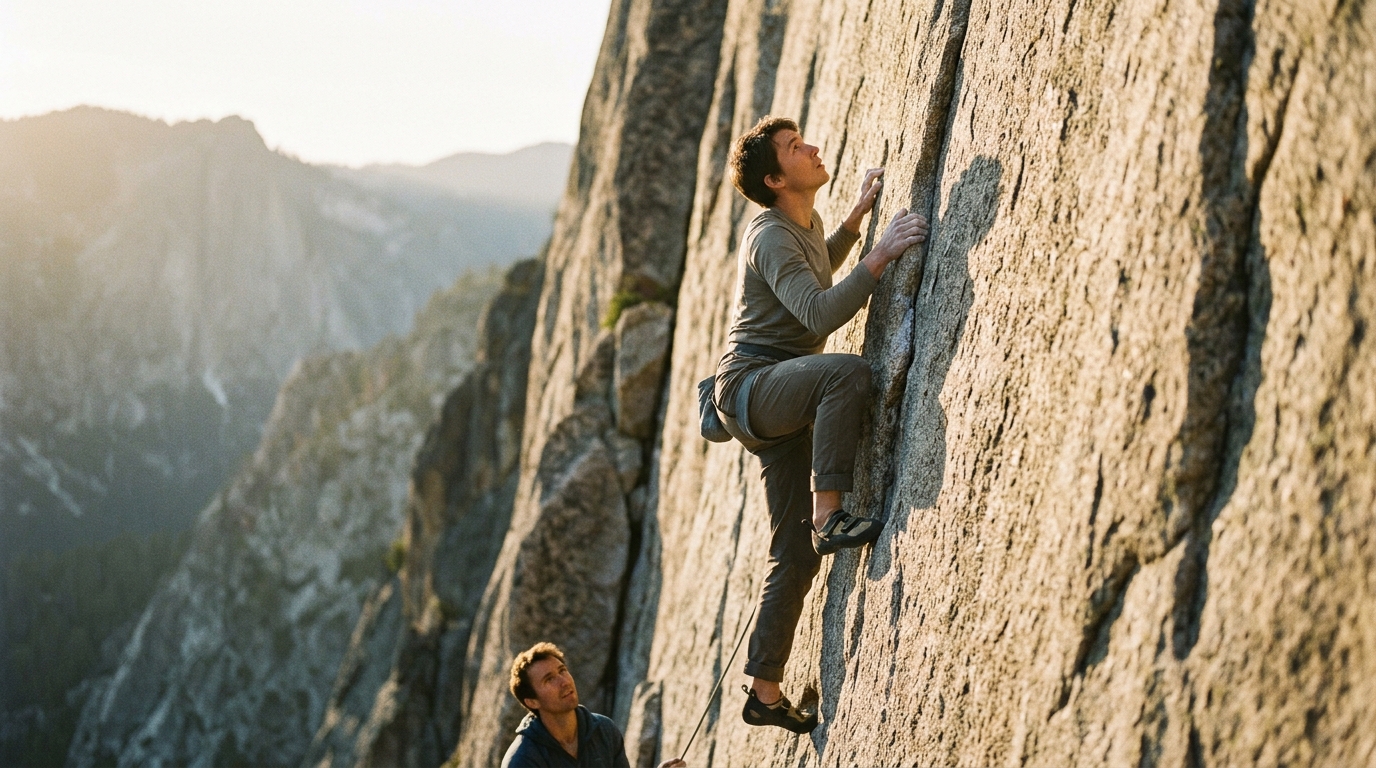
Climbers who prioritize structured movement patterns consistently outperform untrained peers on technical routes. According to recent performance data, athletes who implement targeted efficiency drills reduce energy expenditure by nearly thirty percent during sustained ascents. This measurable advantage stems from optimized biomechanics and deliberate foot placement strategies. Many enthusiasts waste critical stamina by relying on brute strength rather than kinetic flow. Mastering these foundational mechanics requires deliberate practice and systematic progression. Professional coaching frameworks emphasize continuous feedback loops to correct inefficient habits before they become ingrained. Understanding these core principles allows climbers to tackle harder grades with greater confidence and reduced fatigue.
Footwork Precision and Shoe Placement
Footwork precision is the deliberate placement of shoe rubber on minimal contact points to maximize friction and minimize energy transfer. Most recreational climbers drag their feet or smear excessively, which drains calf endurance rapidly. You must learn to isolate your toes and pivot your hips toward the wall. This mechanical adjustment shifts your weight directly over your supporting foot. When your center of mass aligns with your contact point, your arms remain relaxed and ready for the next move. Coaches at Paradigm Climbing emphasize repetitive drilling on small edges to build proprioceptive awareness. You will notice immediate grade improvements once your feet stop slipping and start supporting your entire body weight.
Heel Hook Mechanics
Heel hooks serve as critical anchor points on overhanging terrain. You should practice wrapping your heel around holds to offload hand pressure completely. This technique converts your lower body into a stable pivot point. You can then reach further with your upper body without triggering pump. Regular heel hook drills on campus boards or slanted walls build the necessary hip flexibility. You will quickly discover that your hands rarely need to grip when your heels do the heavy lifting.
Center of Gravity and Body Positioning
Body positioning is the strategic alignment of the center of gravity over the support limbs to reduce muscular strain. Beginners often hang from their fingers instead of standing on their feet. This error forces your biceps to handle loads they were never designed to carry. You must learn to flatten your torso against the wall on vertical terrain. This technique engages your core and transfers weight directly to your feet. When your hips press inward, your center of gravity drops closer to the rock face. You will experience less forearm fatigue and longer climbing sessions. Our team provides customized training protocols that isolate these biomechanical adjustments.
Hip Rotation and Flagging
Hip rotation allows you to reach distant holds without losing balance. You should rotate your hips toward the wall to keep your center of gravity low. Flagging extends your free leg outward to counterbalance awkward reaches. This counterweight technique prevents you from swinging off the wall. You can practice flagging on easy routes to build muscle memory. Your body will eventually adapt to these spatial adjustments automatically.
Arm Economy and Grip Management
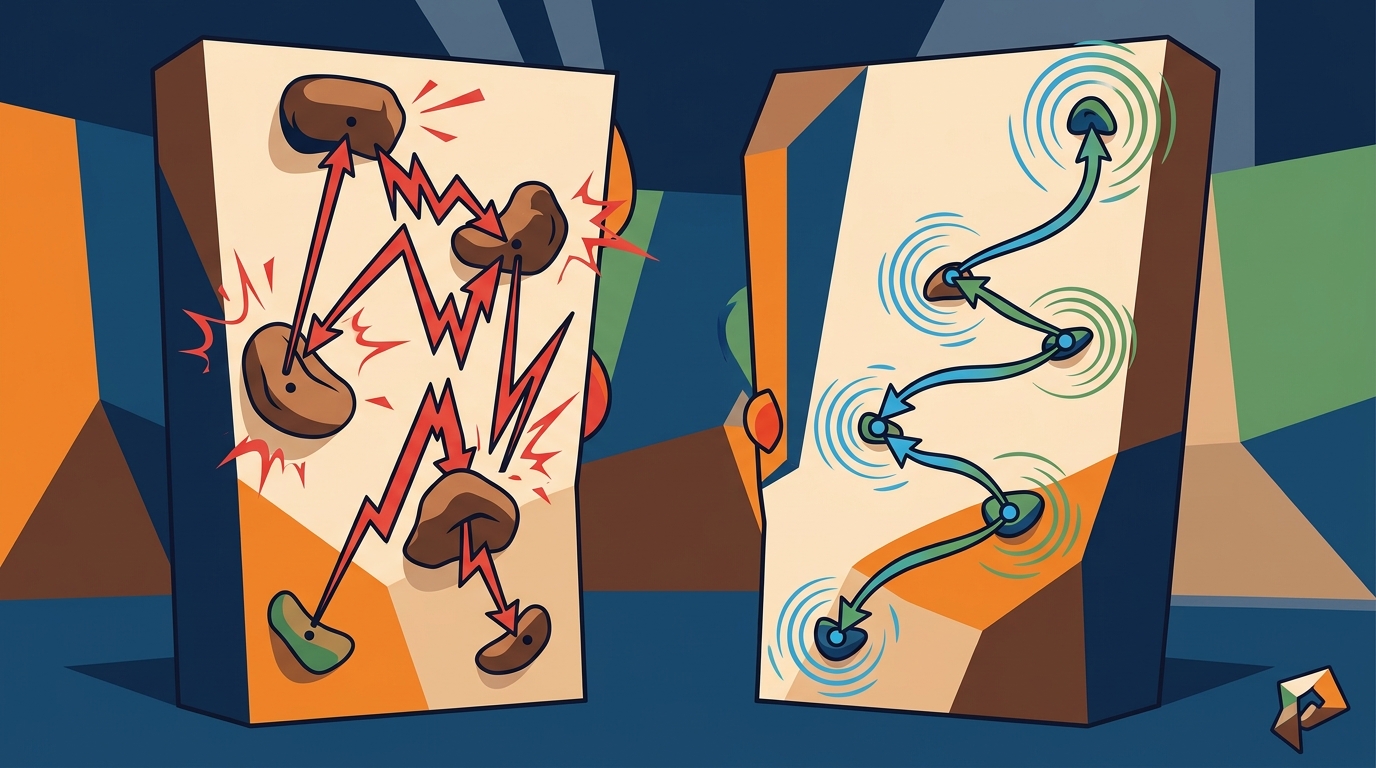
\p>Arm economy refers to the conscious reduction of hand tension during rest positions. Most climbers maintain maximum grip strength throughout entire routes, which accelerates lactic acid buildup. You must learn to open your hands completely between holds. This brief recovery phase flushes metabolic waste from your forearms. You should also practice half crimp and open hand grips to preserve finger flexor tendons. These grip variations distribute stress across multiple joints rather than concentrating it on one finger. You will climb longer and recover faster when your hands stop clenching unnecessarily. We offer structured training programs that integrate grip management into every session.Pump Prevention Strategies
\p>Pump prevention requires strategic rest positioning and breathing control. You should hang from your forearms with your elbows locked to offload your hands. This passive rest position allows blood to flow freely through your muscles. You must also synchronize your breathing with your movements to maintain oxygen delivery. Controlled exhalation during difficult moves prevents unnecessary tension. You will notice your forearms stay loose even on sustained routes when you apply these strategies consistently.Route Reading and Movement Prediction
Route reading is the cognitive process of analyzing hold geometry and body mechanics to predict optimal movement sequences. You should study the entire route before attempting your first move. This mental rehearsal allows you to identify rest positions and crux sequences. You must visualize your body moving through each position before committing your weight. This cognitive mapping reduces hesitation and prevents costly mistakes. You will climb more confidently when you already know your next three moves. Our coaches guide clients through holistic training approaches that combine physical drills with mental preparation.
Crux Sequencing and Beta Optimization
Crux sequencing involves breaking difficult sections into manageable sub-moves. You should identify the exact hold that triggers your pump and plan your approach accordingly. This strategic planning prevents you from burning energy before the hardest section. You must also practice your beta repeatedly until the movement becomes automatic. Repetition builds neural pathways that execute complex sequences without conscious thought. You will send harder routes when your brain stops second-guessing your body.
Structured Training Modalities
Structured training modalities encompass the systematic progression of climbing-specific exercises. You should balance bouldering, top-roping, and lead climbing to develop well-rounded skills. Each discipline targets different physiological adaptations and technical requirements. You must track your progress using standardized metrics to ensure continuous improvement. This data-driven approach prevents plateaus and keeps your training aligned with your goals. You will achieve faster results when your workouts follow a logical periodization model. Our facility provides comprehensive coaching resources to support your development.
| Training Modality | Primary Focus | Target Audience | Implementation Path |
|---|---|---|---|
| Bouldering | Explosive power and technical problem solving | Intermediate to advanced climbers | Custom coaching plans |
| Top-Rope | Sustained endurance and route familiarity | Beginners to intermediates | Pre-written training plans |
| Lead Climbing | Mental resilience and gear management | Experienced climbers | Specialized coaching |
| Strength Conditioning | Injury prevention and muscular balance | All skill levels | Expert coaching team |
Key Takeaways
- Footwork precision reduces energy expenditure by nearly thirty percent during sustained ascents.
- Body positioning shifts your center of gravity directly over your supporting limbs to minimize strain.
- Arm economy requires intentional hand opening to flush metabolic waste and prevent pump.
- Route reading transforms complex sequences into predictable, repeatable movement patterns.
- Founder Charlie Schreiber has personally trained over one thousand climbers since 2013.
- Our coaching staff includes athletes who have competed at World Cup level and climbed to V13.
- Periodized training protocols control volume and load to prevent overtraining and optimize long-term performance.
Frequently Asked Questions
How long does it take to improve climbing efficiency?
Most climbers notice measurable improvements within four to six weeks of consistent practice. You must dedicate at least three sessions per week to targeted technique drills. Progress accelerates when you track your movements and adjust your form regularly. You will see faster results when you work with experienced coaches who provide immediate feedback.
Is footwork more important than grip strength?
Footwork efficiency directly reduces the load on your fingers and forearms. You should prioritize precise foot placement before attempting to increase your grip strength. Strong feet allow your hands to rest and recover during difficult sections. You will climb harder grades when your feet carry your weight instead of your hands.
Can I improve my technique without climbing outdoors?
Indoor climbing walls provide excellent opportunities to practice technical movements safely. You can replicate outdoor terrain features using varied hold geometries and wall angles. Structured gym sessions allow you to focus on specific mechanics without environmental distractions. You will build a strong technical foundation that translates directly to outdoor success.
What is the best way to prevent forearm pump?
Preventing pump requires strategic rest positioning, controlled breathing, and intentional hand opening. You should hang from your forearms with locked elbows to offload your hands completely. You must also synchronize your exhalation with difficult moves to maintain oxygen delivery. You will climb longer when your forearms stay loose and your breathing remains steady.
How do I choose between bouldering and top-roping for technique development?
Bouldering develops explosive power and technical problem solving on short, intense routes. Top-roping builds sustained endurance and route familiarity on longer ascents. You should combine both disciplines to develop a well-rounded climbing profile. You will progress faster when you train both power and endurance simultaneously.
Do I need professional coaching to improve my technique?
Professional coaching provides immediate feedback and structured progression that self-teaching often misses. You will avoid ingrained bad habits when an experienced coach corrects your form in real time. Our team has mentored athletes to national championships and World Cup top ten finishes. You will save months of trial and error when you follow a proven coaching framework.
How often should I practice route reading?
You should practice route reading before every climbing session to build mental familiarity. This cognitive rehearsal allows you to identify rest positions and crux sequences efficiently. You must visualize your body moving through each position before committing your weight. You will climb more confidently when your brain stops second-guessing your body.
Next Steps
Ready to transform your climbing with proven efficiency techniques? Our expert coaching team designs personalized training programs that address your specific weaknesses and accelerate your progress. You will receive structured feedback, periodized programming, and continuous support from experienced climbers who understand your goals. Visit our contact page to schedule your initial consultation. You can also explore our client success stories to see how others have achieved their climbing milestones. Take control of your training today and climb smarter, not harder.