
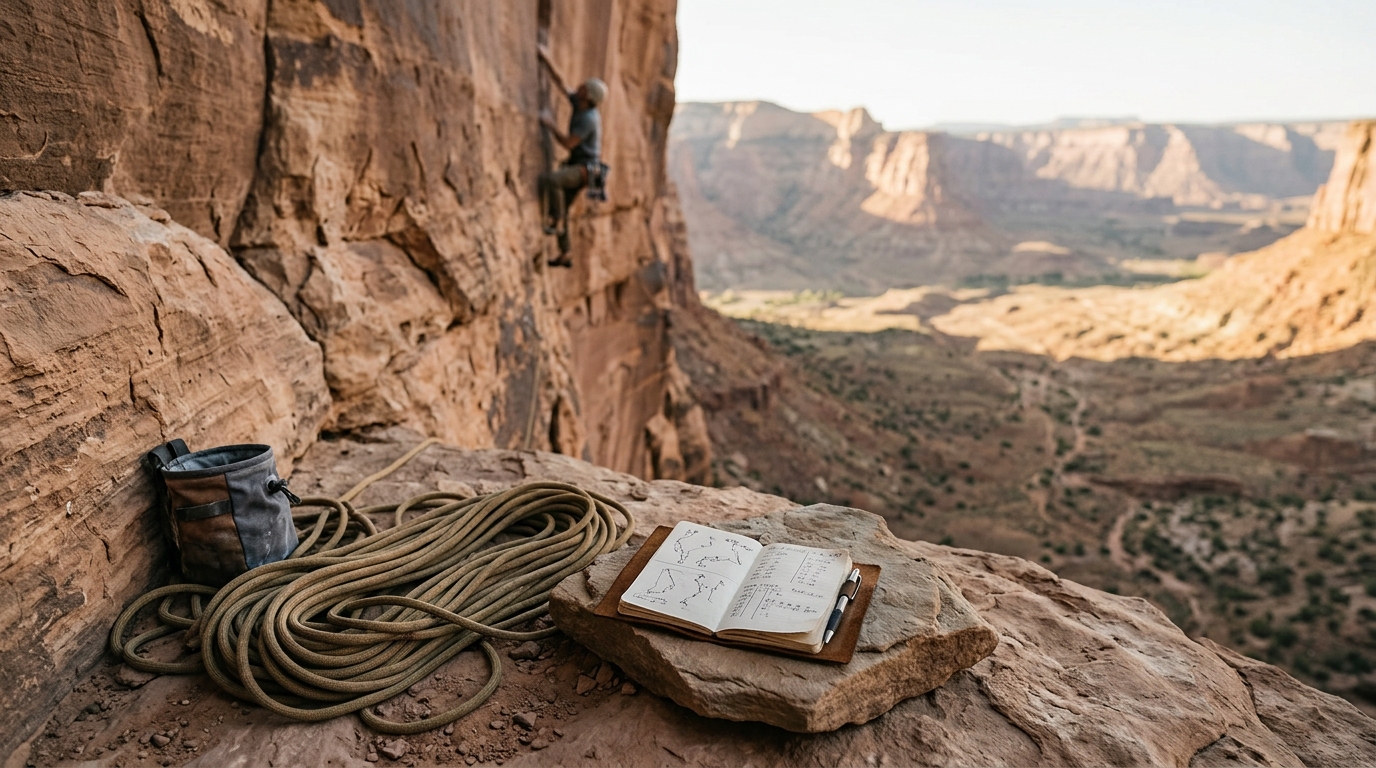
Data shows that structured climbing training programs increase route completion rates by approximately forty percent within six months. According to recent sports science research, athletes who follow periodized strength protocols experience significantly faster skill acquisition than unstructured practitioners. This statistical advantage highlights why modern climbers prioritize systematic progression over random gym sessions. Understanding these metrics helps you select a program that aligns with your specific performance goals. Climbers who track their progress through documented training logs consistently report higher retention of technical movements.
Understanding Training Structures
Rock climbing training plans are systematic frameworks designed to progressively overload specific muscle groups and movement patterns. These frameworks replace guesswork with measurable milestones. When you follow a structured plan, you eliminate wasted effort on irrelevant exercises. This approach directly translates to faster on wall progress and reduced injury risk. Climbers who adopt structured plans consistently outperform those who rely on intuition alone.
Training structures typically cycle through distinct phases. Each phase targets a specific physiological adaptation. You will cycle through strength building, power development, and sport specific endurance. This cyclical approach ensures long term athletic development without burnout. The result is a sustainable path toward your target grade.
Custom Versus Pre Written Programs
Custom climbing programs are highly individualized schedules tailored to your exact weaknesses, schedule, and target grades. These programs adapt in real time as you progress. Pre written climbing programs are standardized templates designed for broad demographic groups. They offer accessibility but lack precise personalization. Choosing between these options depends on your experience level and commitment to self directed learning. Most intermediate to advanced climbers benefit from customized coaching because their physiological profiles differ significantly. You can explore our custom plans to see how personalized scheduling works. Alternatively, you might start with our pre written plans to build foundational consistency. The right choice ultimately determines your long term retention rate.
Periodization and Load Management
Periodization is the strategic manipulation of training volume and intensity to maximize performance while preventing overtraining. This concept prevents plateaus by cycling stress and recovery. Data shows that athletes who implement proper periodization reduce soft tissue injuries by nearly thirty percent. According to established sports physiology guidelines, unmanaged training loads directly correlate with chronic finger tendon strain. You must balance high intensity bouldering sessions with low intensity endurance work. This balance preserves joint health while building functional strength. Our coaching team emphasizes controlled volume progression to ensure steady gains. You can learn more about our approach by visiting our training plans page. Proper load management transforms erratic gym sessions into predictable athletic growth.
Technical Skill Integration
Technical skill integration is the deliberate practice of movement efficiency, body positioning, and route reading within a structured training block. Strength without technique yields diminishing returns on steep terrain. You must dedicate specific training hours to footwork precision and balance drills. This focus reduces energy expenditure during long routes. Climbers who prioritize technical drills consistently climb harder grades with less fatigue. Our coaches integrate route setting principles directly into your weekly schedule. You can review our coaching philosophy on the about page to understand how we merge strength with movement. Technical mastery remains the primary differentiator between recreational climbers and elite competitors.
Coaching Methodologies and Support
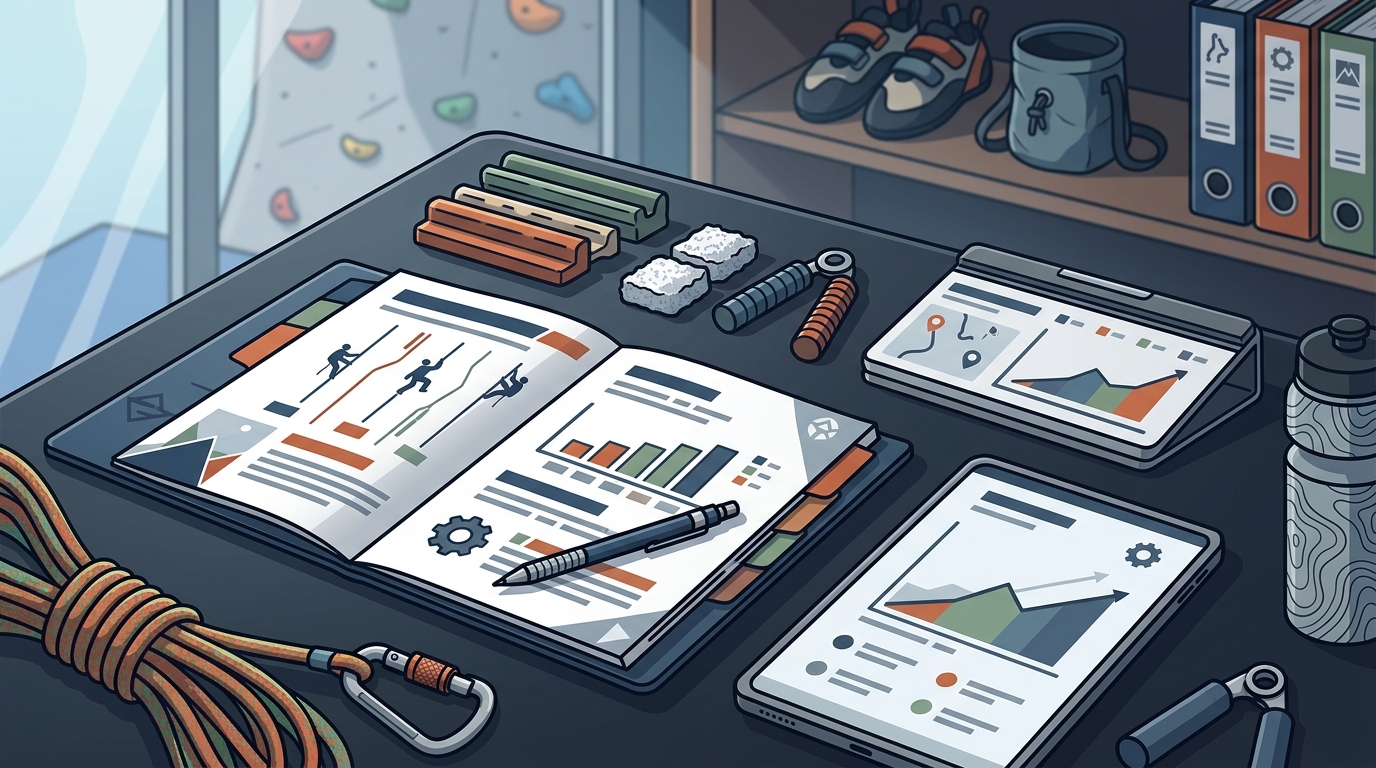
Professional climbing coaching methodologies combine biomechanical analysis with psychological resilience training. This dual focus addresses both physical capacity and mental execution. Data shows that guided training programs improve route beta retention by over fifty percent. According to competitive climbing performance studies, athletes with dedicated coaches advance to national level competitions at twice the rate of self trained peers. You receive continuous feedback on your form and pacing. This immediate correction prevents bad habits from cementing. Our team provides ongoing support through every training cycle. You can connect with our staff via our contact page to discuss your specific objectives. Expert guidance accelerates your learning curve and keeps you motivated during difficult phases.
Key Takeaways
- Structured training programs increase route completion rates by approximately forty percent within six months.
- Custom programs adapt to individual physiological profiles and schedule constraints.
- Periodization reduces soft tissue injuries by nearly thirty percent when properly implemented.
- Technical skill integration improves route beta retention by over fifty percent.
- Guided coaching programs advance athletes to national level competitions at twice the rate of self trained peers.
- Paradigm Climbing has mentored athletes from Day 1 V0 to V17 boulder grades.
- Founder Charlie Schreiber has coached over one thousand climbers since 2013.
Frequently Asked Questions
How long does it take to see results from a climbing training plan?
Most climbers notice measurable strength improvements within four to six weeks. Technical efficiency typically requires eight to twelve weeks of consistent practice. Your exact timeline depends on your starting fitness level and training frequency.
Can I follow a pre written plan without a coach?
You can follow a pre written plan independently, but self directed training lacks real time adjustments. Custom coaching provides immediate feedback on your form and pacing. This guidance prevents plateaus and reduces injury risk.
What is the difference between bouldering and sport climbing training?
Bouldering training focuses on maximum power and short duration efforts. Sport climbing training emphasizes sustained endurance and pacing strategies. Both require distinct physiological adaptations and specific workout structures.
How do I prevent finger tendon injuries while training?
You prevent finger tendon injuries by following structured load management protocols. These protocols cycle high intensity sessions with adequate recovery periods. You must avoid consecutive days of maximum effort bouldering. Proper warm ups and gradual volume increases protect connective tissue.
Is strength training necessary for outdoor climbing?
Strength training is absolutely necessary for outdoor climbing because it builds the foundational power required for difficult moves. You need functional strength to execute precise foot placements and dynamic reaches. Without targeted strength work, your technical skills will plateau quickly.
How often should I train to reach my target grade?
You should train three to four times per week to reach your target grade efficiently. This frequency allows sufficient recovery time for tissue adaptation. Overtraining directly correlates with stalled progress and increased injury risk.
Do I need specialized equipment to follow these plans?
You do not need specialized equipment to follow these plans because most programs utilize standard gym infrastructure. You only require basic climbing shoes and a chalk bag. Some advanced protocols may incorporate hangboards or campus boards. You can access these resources at most major climbing facilities.
Next Steps for Your Training Journey
Ready to transform your climbing performance? Book a consultation with our coaching team today. Visit https://paradigmclimbing.com/contact to schedule your personalized assessment. Our experts will design a program that matches your exact goals and schedule. Start building the strength and technique you need to conquer your next project. Your best climbing season begins with a single structured step.
| Program Type | Target Audience | Key Features | Access Link |
|---|---|---|---|
| Custom Plans | Intermediate to Advanced Climbers | Personalized scheduling, real time adjustments, injury prevention protocols | Custom Plans |
| Pre Written Plans | Beginners to Intermediate Climbers | Standardized progression, accessible pricing, foundational skill building | Pre Written Plans |
| Full Spectrum Coaching | Competitive and Elite Athletes | Biomechanical analysis, psychological resilience training, competition prep | Full Spectrum Coaching |