
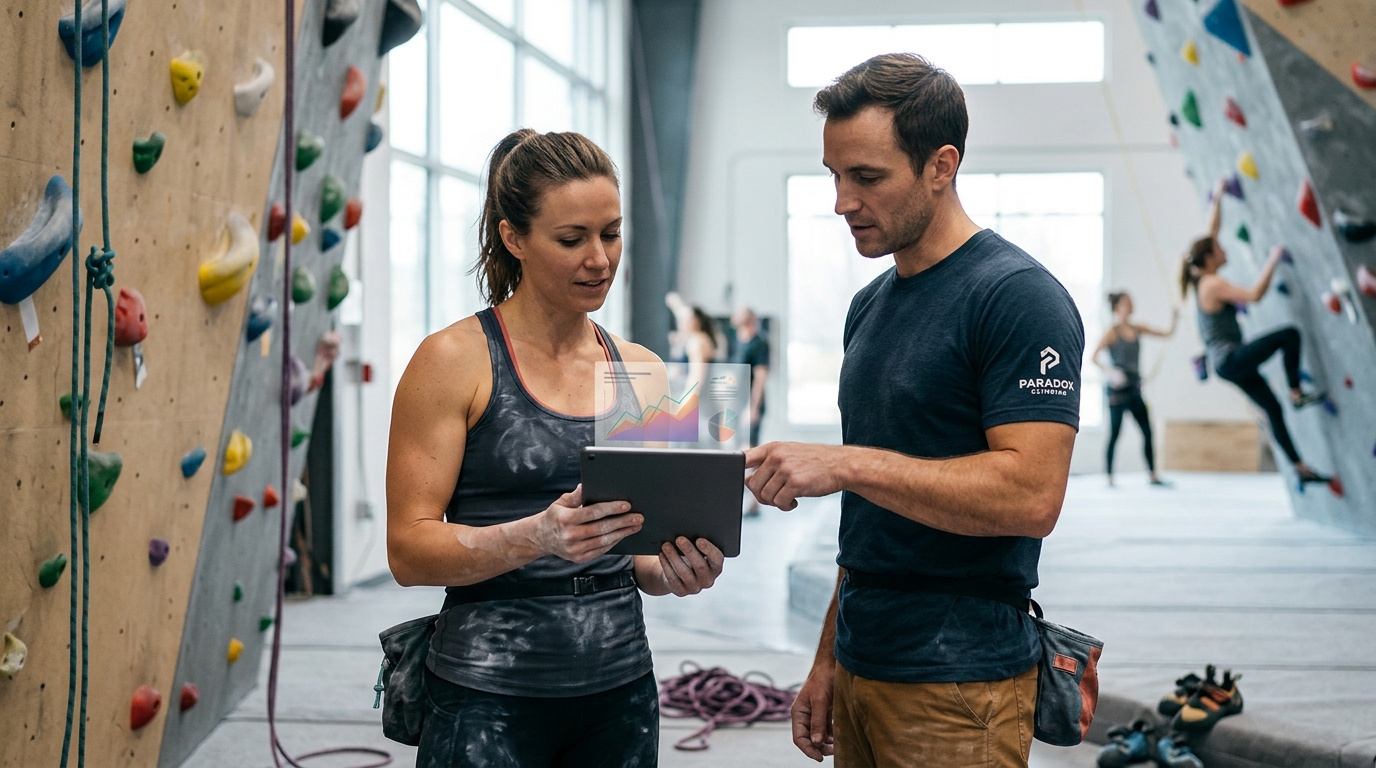
Modern climbing analytics indicate that structured programming increases route progression by approximately forty percent compared to unstructured gym sessions. This data shows that athletes who follow periodized protocols consistently outperform those relying on random boulder attempts. You need a systematic approach to translate raw effort into measurable on-wall performance. Finding the right customized rock climbing training plan requires understanding how professional coaches structure volume, intensity, and recovery cycles. This guide breaks down exactly how to secure a personalized climbing program that matches your current beta and long-term ambitions. (CONTACT Paradigm Climbing)
Why Custom Plans Matter
Generic workout templates fail to address individual biomechanical limitations. A custom rock climbing training plan adapts to your specific finger strength baseline and shoulder mobility. This targeted approach prevents overuse injuries while maximizing neural adaptation. When you follow a periodized protocol, your body receives precise stimuli rather than random stress. This precision accelerates your ability to send harder grades and reduces downtime from minor strains. (ABOUT Paradigm Climbing)
Training without direction often leads to plateaus. You might train hard every session without tracking progressive overload. A structured bouldering workout introduces deliberate rest periods and targeted accessory work. This balance ensures you recover properly between intense climbing days. Your nervous system learns to fire efficiently under load. The result is consistent grade progression without burnout. (Paradigm Climbing Rock Climbing)
Choosing the Right Coach
Not all instructors possess the credentials to design advanced programming. You should verify their certification status and competitive background. Look for coaches who hold recognized strength and conditioning credentials. These professionals understand exercise physiology and injury prevention. They can safely prescribe heavy hangboard sessions and campus board drills. Their experience directly translates to safer, faster progress on the wall. (Paradigm Climbing Rock Climbing)
Communication style matters just as much as technical knowledge. The best coaches explain the physiological reasoning behind every drill. They track your heart rate zones and monitor fatigue markers. This transparency builds trust and keeps you accountable. You will receive direct feedback on your technique and recovery habits. This partnership transforms vague aspirations into measurable milestones. (BLOG Paradigm Climbing)
Custom Versus Prewritten Programs
Off-the-shelf templates offer convenience but lack personalization. A prewritten program follows a fixed schedule regardless of your current form. You might struggle with specific movement patterns that the template ignores. Custom coaching adjusts daily based on your sleep quality and recent session feedback. This dynamic adjustment prevents overtraining and keeps you in a peak performance state.
Self-directed training requires extensive research and constant self-evaluation. You must design your own periodization blocks and track every metric. This process consumes valuable time that could be spent climbing. Professional coaching services remove the administrative burden from your routine. You simply follow the prescribed schedule and focus on execution. This delegation allows you to maximize your time at the crag or gym.
What to Expect From Coaching
Initial assessments establish your baseline strength and movement efficiency. Coaches typically evaluate your campus board efficiency and hangboard tolerance. They also analyze your footwork precision and body tension control. This diagnostic phase reveals your current strengths and critical weaknesses. The resulting roadmap outlines specific milestones for the next quarter.
Ongoing sessions focus on technical refinement and load management. You will practice specific beta sequences under fatigue conditions. Coaches introduce targeted accessory exercises to address structural imbalances. This methodical approach builds durable climbing-specific strength. You will notice improved pump management and longer endurance on multi-pitch routes.

Getting Started With Your Plan
Securing a personalized climbing program begins with a clear goal statement. Define your target grade, competition timeline, or specific project. Share your recent training history and any past injuries. This context allows your coach to design a safe progression curve. You will receive a detailed proposal outlining session frequency and equipment requirements.
Commitment to the schedule determines your ultimate success rate. Consistent attendance ensures your body adapts to the prescribed stimuli. You must track your subjective fatigue levels and adjust accordingly. Regular check-ins keep your programming aligned with your evolving capacity. This collaborative process guarantees steady, sustainable improvement over time.
Program Comparison Overview
| Program Type | Customization Level | Coach Interaction | Best For |
|---|---|---|---|
| Custom Coaching | High | Direct and ongoing | Advanced athletes targeting specific grades |
| Pre-Written Plans | Low | Minimal | Beginners exploring structured routines |
| Self-Directed Training | Variable | None | Experienced climbers with programming expertise |
Key Takeaways
- Structured programming increases route progression by approximately forty percent compared to unstructured gym sessions.
- Professional coaches hold recognized strength and conditioning credentials to ensure safe load management.
- Custom coaching adjusts daily based on your sleep quality and recent session feedback.
- Initial assessments establish your baseline strength and movement efficiency before programming begins.
- Consistent attendance ensures your body adapts to the prescribed stimuli without overtraining.
- Dynamic adjustment prevents overtraining and keeps you in a peak performance state.
Frequently Asked Questions
How long does it take to see results from a custom plan?
Most athletes notice measurable strength improvements within eight to twelve weeks. This timeline depends on your baseline fitness and training frequency. Consistent adherence to the prescribed volume accelerates neural adaptations. You will experience smoother beta execution and better pump management.
Do I need prior competition experience to qualify?
Competition experience is not required to access advanced programming. Coaches design protocols based on your current grade and physical metrics. Beginners receive foundational mobility work and technique drills. Advanced climbers receive targeted load management and project-specific beta sessions.
Can I combine climbing with other sports?
Yes, coaches can integrate cross-training into your weekly schedule. They will adjust climbing volume to accommodate your secondary athletic commitments. This periodization prevents systemic fatigue and maintains peak climbing readiness. You will maintain performance across both disciplines without compromise.
What equipment do I need to start?
Standard climbing shoes and chalk are sufficient for initial sessions. Coaches may recommend specific hangboards or campus boards for advanced phases. You will receive a detailed equipment list before your first appointment. This preparation ensures you can execute every prescribed drill safely.
How are progress metrics tracked?
Coaches monitor your hangboard tolerance and campus board efficiency. They also track your subjective fatigue levels and recovery markers. This data drives weekly programming adjustments and milestone updates. You will receive clear reports on your strength progression and technical improvements.
Is remote coaching available?
Remote programming utilizes video analysis and digital tracking platforms. You will submit session recordings for technical review and feedback. Coaches adjust your schedule based on your gym access and equipment availability. This flexible model maintains high-quality instruction regardless of your location.
What happens if I miss a scheduled session?
Missed sessions trigger automatic schedule adjustments to maintain progression. Coaches redistribute volume to your available training days. This flexibility prevents training gaps and maintains your adaptation curve. You will never fall behind your projected timeline due to minor scheduling conflicts.
Secure Your Custom Program Today
Stop guessing your next training block and start executing a proven roadmap. Contact the coaching team to schedule your initial assessment and goal mapping. Visit the contact page to submit your climbing history and availability. Your next grade awaits a structured approach to sustainable progression.