
Climbing Efficiency Techniques: Master Movement and Reduce Fatigue
Improving climbing efficiency requires a deliberate shift from relying on raw strength to mastering biomechanical precision and energy conservation. Effective climbers prioritize smooth transitions, precise foot placement, and strategic body positioning to minimize unnecessary exertion on the wall. This guide explores the core methodologies used by professional coaches to help athletes progress from unstructured training to optimized performance. By integrating technical skills with structured programming, climbers can extend their endurance, tackle harder routes, and enjoy a more sustainable climbing practice. (ABOUT Paradigm Climbing)
Precision Footwork and Edge Management
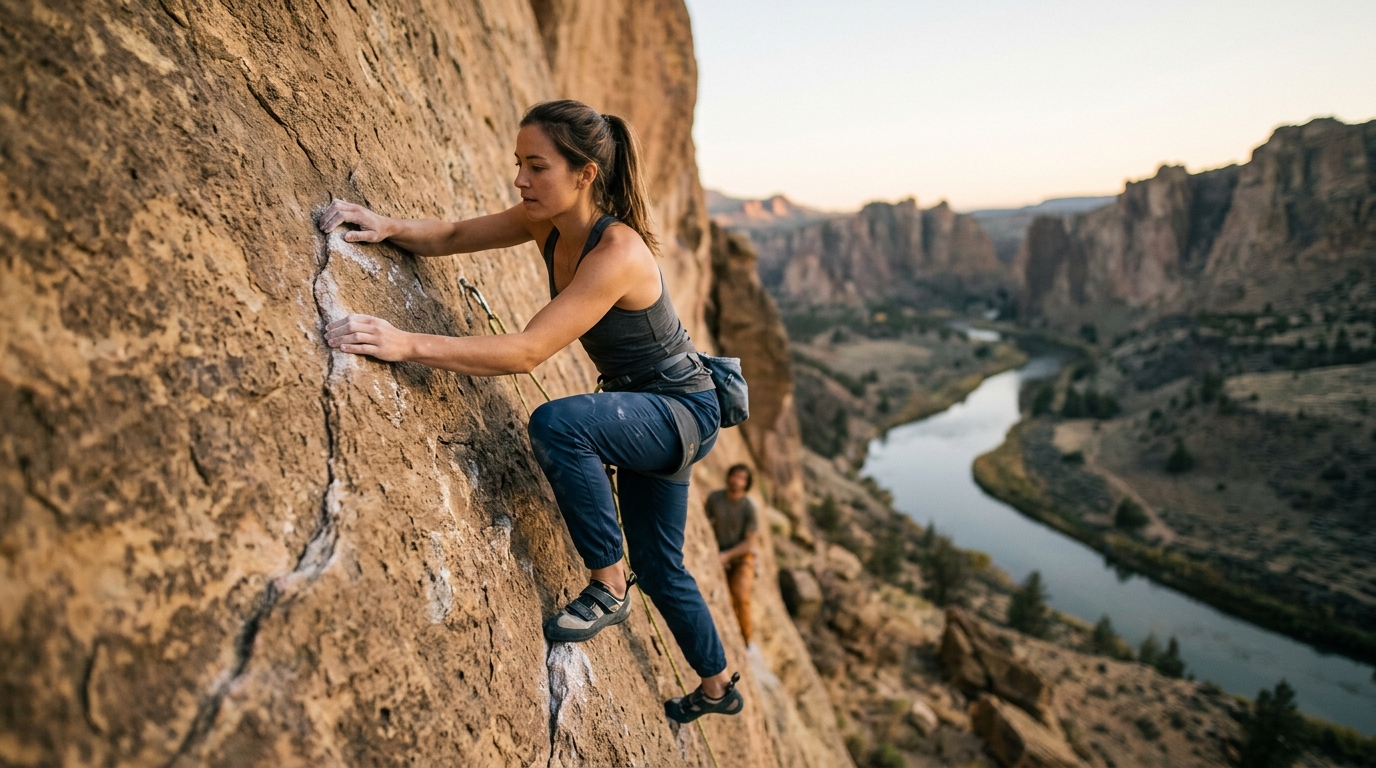
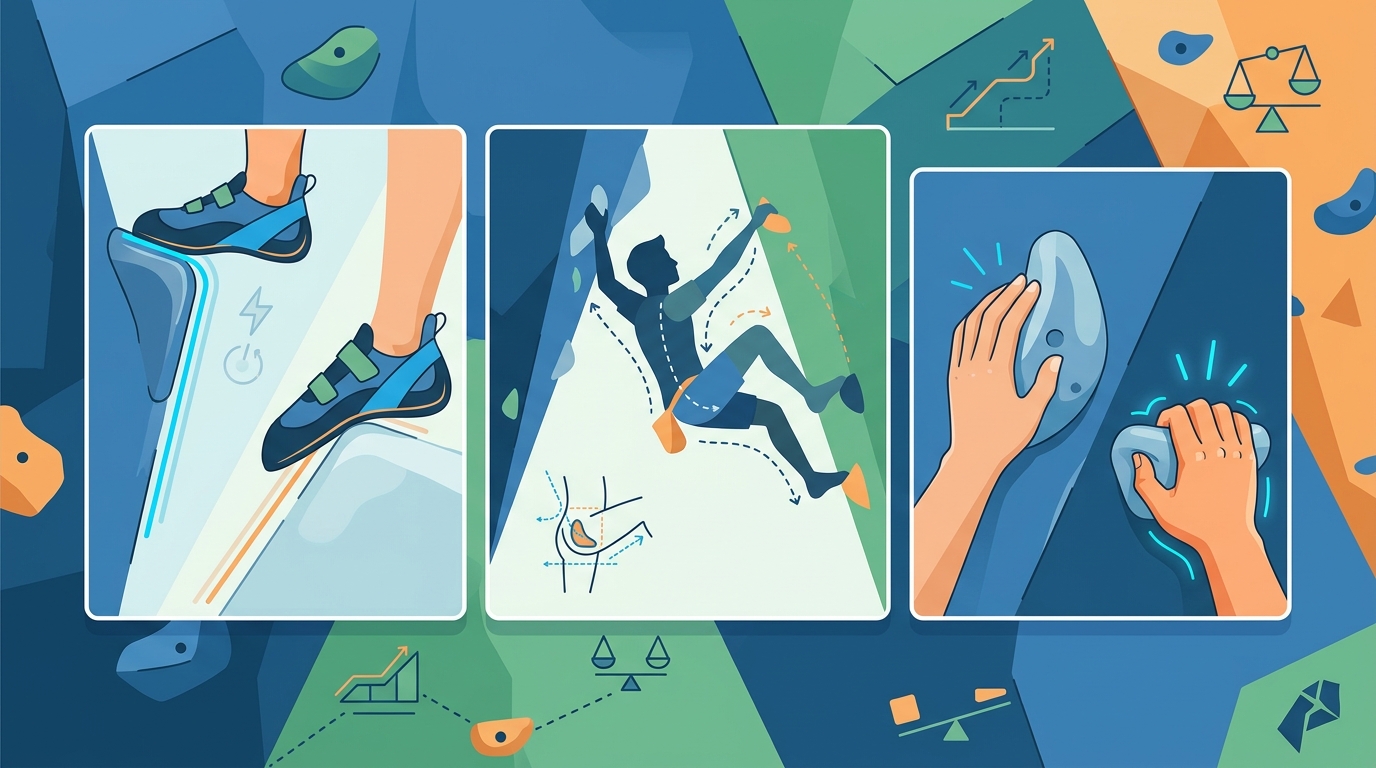
Footwork is the systematic application of precise foot placement to maximize friction and minimize energy waste. Most climbers waste significant energy by dragging their feet or using large surface areas on small edges. Efficient climbers use the tip of their climbing shoe to find the smallest possible contact point, often referred to as a toe hook or precise edge. This technique allows the legs, which are stronger than the arms, to support the majority of body weight. Coaches at Paradigm Climbing emphasize drilling footwork on low-angle walls to build muscle memory before applying these skills to steeper terrain. Key techniques include heel hooks, toe hooks, and drop knees, all of which require dedicated practice to execute smoothly under fatigue.
Optimizing Body Positioning and Center of Gravity
Center of gravity management is the continuous adjustment of body weight distribution to maintain balance and reduce arm strain. Efficient climbers keep their hips close to the wall, which shortens the lever arm and reduces the torque on the fingers and forearms. When the hips drift away from the wall, the climber must rely on grip strength rather than skeletal alignment, leading to rapid pump. Techniques such as flagging, where one leg is extended outward to counterbalance body weight, allow climbers to reach holds without shifting their center of mass. High feet techniques, which involve placing feet above the hands, enable climbers to stand on their legs and rest their arms. Mastering these positioning skills is essential for conserving energy on long routes and difficult boulder problems.
Reducing Arm Fatigue Through Efficient Movement
Arm fatigue occurs when climbers fail to utilize their legs and core, forcing the forearms to sustain excessive load. Efficient movement involves static climbing, where the climber moves slowly and deliberately to avoid momentum-induced swings that can break holds. Dynamic movements, or dynos, should be reserved for specific situations where static movement is impossible. Climbers can reduce pump by incorporating rest positions, such as deadpoints or open hands, into their climbing sequence. Learning to read beta and identify rest spots before starting a route allows climbers to pace themselves effectively. Our blog frequently discusses how integrating rest strategies into training can significantly extend climbing duration and improve overall performance.
Mental Strategies for Climbing Efficiency
Mental strategies for climbing efficiency involve the cognitive processes that support physical execution and decision-making on the wall. Beta reading, the ability to visualize and plan a sequence before climbing, reduces hesitation and wasted movements during the ascent. Visualization techniques allow climbers to rehearse movements mentally, which enhances neural pathways and improves execution. Pacing strategies, such as controlled breathing and rhythm establishment, help manage stress and maintain focus. Climbers who develop strong mental habits often demonstrate greater consistency and efficiency, even on challenging routes. Working with experienced coaches helps athletes build these mental frameworks through structured feedback and guided practice sessions.
Periodized Training for Long-Term Efficiency
Periodized training is the structured planning of training variables, including volume, duration, and load, to optimize performance and prevent overtraining. Unlike unstructured training, periodization ensures that climbers build a solid aerobic base before introducing high-intensity strength work. This approach allows athletes to progress systematically while minimizing the risk of injury. Custom training plans developed by certified coaches incorporate specific phases for strength, endurance, and skill development. Athletes following periodized programs often experience faster progress and more sustainable improvements in their climbing ability. Coaches like Charlie Schreiber, with extensive experience in competitive climbing and long-term athlete development, design protocols that address individual weaknesses and goals.
Understanding Route Setting for Better Technique
Understanding route setting provides climbers with insight into how holds are arranged and how sequences are constructed. Route setters create problems that challenge specific skills, such as balance, power, or endurance. By studying route setting, climbers can anticipate common patterns and develop versatile movement skills. Contacting our coaching team offers opportunities to learn from professional routesetters who design problems for competitions and outdoor climbing. This knowledge helps climbers adapt to diverse wall configurations and improves their ability to solve novel problems on the wall. Route setting also emphasizes the importance of balance, precision, and creativity in climbing.
Holistic Training and Lifestyle Factors
Holistic training is an integrated approach to climbing that addresses physical, mental, and lifestyle factors affecting performance. Factors such as sleep, nutrition, and stress management significantly impact recovery and on-wall efficiency. Climbers who neglect these aspects may struggle to progress despite technical improvements. A holistic program includes mobility work, injury prevention exercises, and mental resilience training. Full spectrum coaching at Paradigm Climbing ensures that all areas of an athlete's profile are developed in harmony. This comprehensive approach helps climbers achieve their goals while maintaining a healthy and balanced lifestyle.
Key Takeaways
- Footwork precision reduces arm strain by allowing legs to support body weight.
- Keeping hips close to the wall minimizes torque and conserves energy.
- Flagging and high feet techniques enable efficient movement on steep terrain.
- Periodized training optimizes volume, duration, and load for sustainable progress.
- Mental strategies like beta reading and visualization improve execution and pacing.
- Holistic training addresses sleep, nutrition, and recovery for peak performance.
- Professional coaching provides structured feedback and customized programming.
Frequently Asked Questions
How does footwork impact climbing efficiency?
Precise footwork allows climbers to use their stronger leg muscles to support body weight, reducing reliance on forearm strength and delaying pump.
What is the role of core strength in climbing efficiency?
Core strength stabilizes the body, enabling efficient weight transfer and maintaining balance close to the wall, which reduces energy expenditure.
How do coaches at Paradigm approach training?
Coaches utilize periodized protocols, holistic assessments, and custom programming to address individual goals and optimize long-term development.
What is periodization in climbing training?
Periodization is the systematic planning of training variables, including volume, duration, and load, to maximize performance and prevent overtraining.
How can I improve my beta reading skills?
Practicing visualization, studying route sequences, and working with coaches on problem-solving strategies enhance beta reading abilities.
What are rest positions in climbing?
Rest positions, such as deadpoints or open hands, allow climbers to temporarily reduce load on the forearms and recover energy during a route.
How does route setting influence climbing technique?
Route setting creates diverse challenges that develop balance, power, and endurance, helping climbers adapt to various wall configurations.
What lifestyle factors affect climbing efficiency?
Sleep, nutrition, stress management, and recovery practices significantly impact performance, making holistic training essential for sustained progress.
Start Your Journey to Climbing Mastery
Transform your climbing with expert guidance and structured programming. Explore our custom plans to receive personalized training designed to maximize your potential. Contact us today to schedule a consultation and begin your path to efficient, sustainable climbing success.