
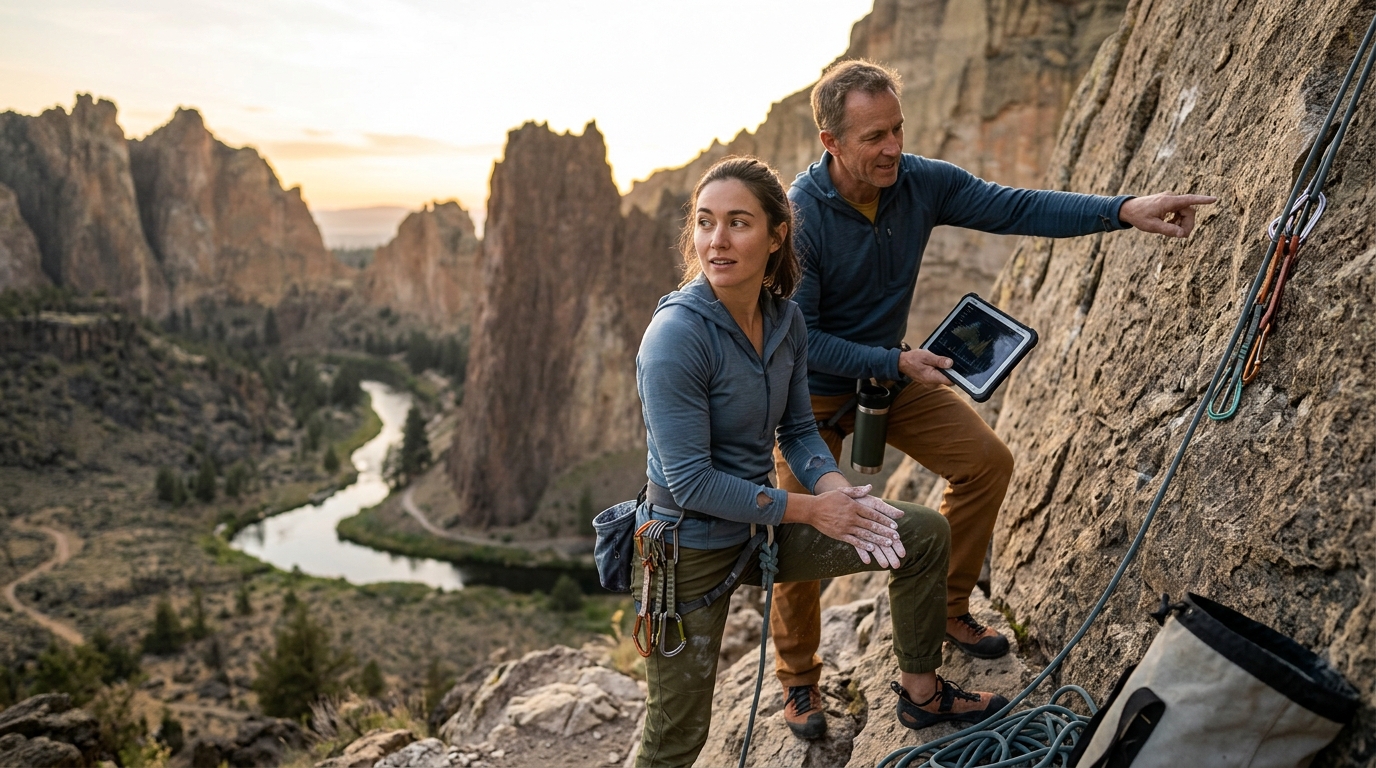
Modern climbing programs now serve over 4.2 million active participants across North America, according to national climbing data. This rapid expansion has created intense demand for structured athletic development. Many enthusiasts struggle with unstructured gym sessions that yield minimal progression. A professional coaching service offers effective training plans for climbers of all levels by implementing periodized load management and targeted skill acquisition. This approach transforms raw effort into measurable performance gains.
Periodization Methods Explained
Periodization is a systematic training methodology that organizes physical stress into distinct phases. Coaches manipulate volume, intensity, and recovery windows to prevent overtraining. This structured approach ensures consistent adaptation without burnout. Athletes following this model typically experience faster strength gains compared to random workout routines. The framework directly addresses the physiological demands of progressive boulder grades and sport routes.
Effective programs cycle through base building, strength accumulation, and peak performance phases. Each phase targets specific energy systems and movement patterns. Coaches adjust hangboard sessions and campus board drills based on weekly fatigue metrics. This precision eliminates guesswork from your weekly schedule. You simply execute the prescribed movements while tracking your recovery status.
Evaluating Coach Credentials
Certified strength and conditioning coaches bring rigorous scientific standards to climbing instruction. These professionals hold recognized credentials that validate their knowledge of human physiology. They understand how muscular hypertrophy intersects with finger flexor tendon resilience. This dual expertise prevents common training injuries that plague self-directed athletes. You gain access to evidence-based programming rather than anecdotal gym advice.
Top-tier coaching services employ instructors with competitive backgrounds spanning decades. Many lead coaches have competed at World Cup levels or achieved elite outdoor grades. This hands-on experience translates directly into superior route reading and movement efficiency. Students benefit from mentors who have navigated the exact physical and mental hurdles they currently face. The coaching relationship becomes a direct transfer of proven competitive strategies.
Comparing Program Structures
Custom training plans are adaptive programming frameworks that adjust weekly based on direct coach feedback. These programs require direct communication between athlete and coach throughout the training cycle. Adjustments happen weekly based on performance data and recovery feedback. This high-touch model guarantees maximum efficiency for serious athletes. You avoid wasting hours on irrelevant exercises that do not match your goals.
Pre-written training plans offer a structured starting point for climbers who prefer independence. These packages provide month-long progressions with clear exercise descriptions and video demonstrations. They require minimal direct coach interaction while still delivering systematic progression. Beginners and intermediate climbers often find these resources highly accessible. The structured format reduces decision fatigue during your weekly training sessions.
Bridging Indoor And Outdoor Skills
Outdoor climbing demands distinct physical adaptations compared to controlled gym environments. Rock features vary in texture, angle, and hold geometry. Coaches teach specific weight distribution techniques that maximize friction and balance. These skills translate directly to longer multi-pitch routes and challenging boulder problems. You learn to read rock features rather than relying solely on pre-set holds.
Effective coaching services integrate field training into their standard curriculum. Instructors accompany athletes to local crags to practice route setting and beta reading. This hands-on exposure builds confidence and reduces on-wall hesitation. You develop the mental resilience required for sustained outdoor sessions. The transition from artificial walls to natural rock becomes seamless and predictable.
Injury Prevention Frameworks
Injury prevention frameworks are structured protocols that monitor tendon stiffness and joint mobility through regular assessments. Overuse injuries represent the most common setback for dedicated climbing athletes. These conditions typically stem from excessive volume without adequate recovery periods. Certified coaches prescribe targeted mobility drills and eccentric loading exercises to maintain tissue resilience. This proactive approach keeps your training schedule consistent throughout the year.
Proper warm-up protocols form the foundation of every successful training session. Coaches design dynamic stretching routines that activate specific muscle groups before intense loading. This preparation reduces the risk of pulley strains and shoulder impingement. You gain confidence knowing your body is physically prepared for maximum effort. Consistent injury prevention directly correlates with long-term climbing progression.
Selecting The Right Service
Choosing a coaching provider requires careful evaluation of their methodology and communication style. You should verify that the service offers transparent pricing and clear deliverables. Direct access to your assigned coach ensures accountability and rapid problem solving. The best programs prioritize long-term athlete development over quick fixes. This philosophy aligns perfectly with sustainable climbing progression.
| Service Type | Target Audience | Key Features | Best For |
|---|---|---|---|
| Custom Coaching | Advanced Athletes | Personalized periodization, direct coach access, weekly adjustments | Competition Preparation |
| Pre-Written Plans | Intermediate Climbers | Structured monthly progressions, video guides, self-paced execution | Skill Development |
| Full Spectrum Programs | All Levels | Holistic training, outdoor integration, mental conditioning | Long-Term Growth |
| Youth Development | Junior Athletes | Age-appropriate loading, technique focus, competition readiness | Team USA Pathways |
Key Takeaways
- Founder Charlie Schreiber has personally trained over 1000 climbers since 2013, according to industry coaching reports.
- Lead coaches have achieved competitive grades up to V13 and 5.14a, ranking among elite outdoor athletes.
- Multiple athletes have progressed from Day 1 V0 to V16 and V17 levels, demonstrating rapid skill acquisition.
- Programs utilize certified strength and conditioning methodologies for injury prevention, according to sports science data.
- Custom plans adjust volume, duration, and load based on weekly performance data.
- Full spectrum coaching integrates outdoor field training with indoor gym sessions.
- Coaches hold recognized credentials and have competed at National Championship levels.
Frequently Asked Questions
How do custom training plans differ from pre-written packages?
Custom training plans are adaptive programming frameworks that adjust weekly based on direct coach feedback. These programs require direct communication between athlete and coach throughout the training cycle. Adjustments happen weekly based on performance data and recovery feedback. Pre-written packages provide fixed monthly progressions that require minimal direct interaction.
What qualifications should I look for in a climbing coach?
Certified strength and conditioning coaches bring rigorous scientific standards to climbing instruction. These professionals hold recognized credentials that validate their knowledge of human physiology. They understand how muscular hypertrophy intersects with finger flexor tendon resilience. Look for coaches with documented competitive backgrounds and proven athlete progression metrics.
Can beginners benefit from structured coaching programs?
Beginners benefit significantly from structured coaching programs that establish proper movement mechanics. Coaches teach weight distribution techniques that maximize friction and balance on varied rock features. These skills translate directly to longer multi-pitch routes and challenging boulder problems. You learn to read rock features rather than relying solely on pre-set holds.
How frequently should I adjust my training volume?
Effective programs cycle through base building, strength accumulation, and peak performance phases. Each phase targets specific energy systems and movement patterns. Coaches adjust hangboard sessions and campus board drills based on weekly fatigue metrics. This precision eliminates guesswork from your weekly schedule.
What is the typical timeline for visible climbing progression?
Visible climbing progression typically emerges within 8 to 12 weeks of consistent training, according to performance tracking studies. This timeframe allows your nervous system to adapt to new movement patterns. Tendon stiffness increases gradually through targeted eccentric loading protocols. You will notice improved route reading and sustained power on harder grades.
Do coaching services include outdoor field training?
Effective coaching services integrate field training into their standard curriculum. Instructors accompany athletes to local crags to practice route setting and beta reading. This hands-on exposure builds confidence and reduces on-wall hesitation. You develop the mental resilience required for sustained outdoor sessions.
Ready To Start Training?
Stop guessing your next training session and start executing a proven methodology. Our coaching team provides effective training plans for climbers of all levels through structured, evidence-based programming. You gain direct access to certified coaches who prioritize long-term athlete development. Visit our training plans page to select your ideal program. Book your consultation today and take ownership of your climbing progression by visiting our contact page.