
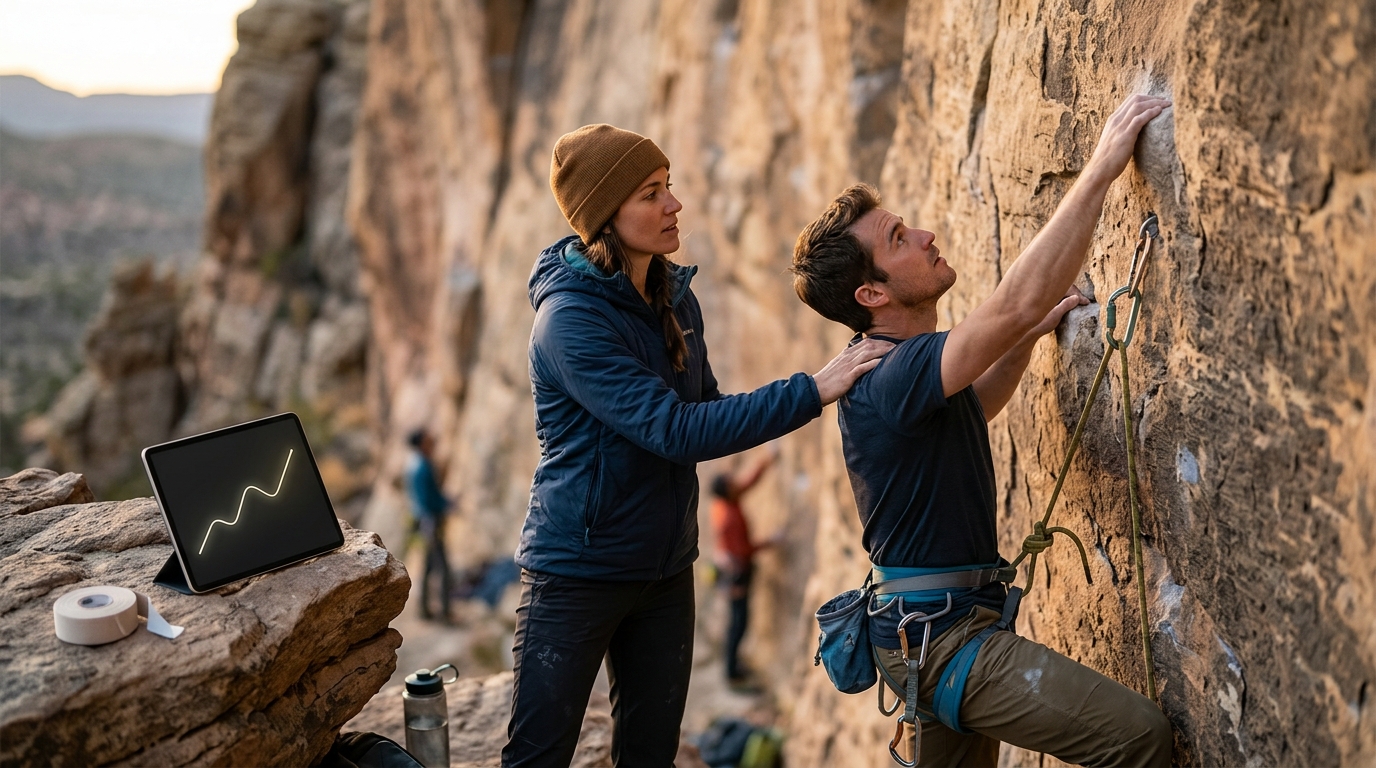
How to Find a Qualified Rock Climbing Coach to Reach Your Goals
Whether you are chasing your first V5, projecting 5.13, or preparing for a competition season, hiring the right climbing coach can be the single most impactful decision you make. A qualified rock climbing coach is a trained professional who designs periodized, goal-specific training plans and provides ongoing feedback to help climbers improve safely and efficiently. But with a growing number of coaches and online programs available, how do you separate genuine expertise from flashy marketing? This guide walks you through every step of evaluating, selecting, and working with a climbing coach so you can invest your time and money wisely.
Why Hiring a Climbing Coach Matters
Plateaus are one of the most common frustrations in climbing. Without structured programming, many climbers repeat the same sessions and wonder why progress stalls. A professional coach removes the guesswork by controlling volume, duration, and load to break through plateaus and prevent overtraining.
Coaching also addresses factors most climbers overlook: movement quality, mental game, nutrition, and recovery. A holistic approach to training considers all areas of your physical and mental profile as well as life factors that affect on-wall performance. That level of attention is nearly impossible to replicate on your own.
Credentials and Certifications to Look For
Not every climbing coach holds a formal certification, but credentials signal commitment to professional standards. Here are the most recognized bodies in the United States:
| Organization | Notable Certifications | Focus Area |
|---|---|---|
| AMGA | Single Pitch Instructor (SPI), Rock Guide | Outdoor guiding and instruction |
| PCIA | Climbing Wall Instructor, Top Rope Instructor | Indoor and outdoor instruction |
| NSCA | Certified Strength & Conditioning Specialist (CSCS) | Periodized strength programming |
| CWA | Climbing Wall Instructor (CWI) | Indoor climbing facility instruction |
A CSCS certification, for example, is a credential from the National Strength and Conditioning Association that validates a coach's ability to design evidence-based strength and conditioning programs. Look for coaches who pair climbing-specific experience with a recognized strength and conditioning credential.
Why CSCS Matters for Climbing Coaches
A certified strength and conditioning coach can prescribe periodized training protocols that optimize performance and prevent injury. This is especially valuable for climbers pushing into higher grades where finger, shoulder, and core demands increase dramatically.
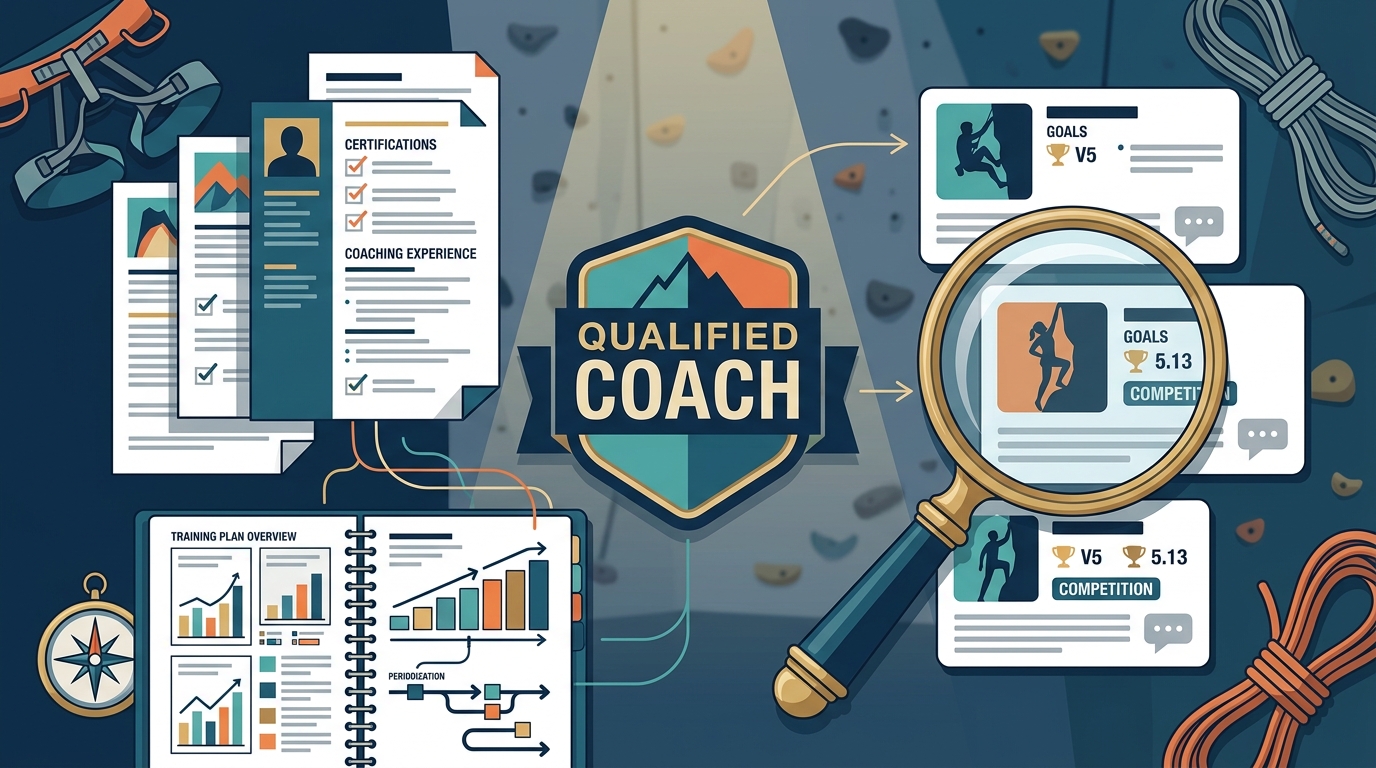
Evaluating Real-World Coaching Experience
Certifications are a starting point, but results speak louder than credentials. When evaluating a coach, ask about the range of athletes they have trained and the outcomes they have produced.
Track Record Questions to Ask
- How many climbers have you coached, and across what grade range?
- Can you share athlete testimonials or case studies?
- Do you have experience coaching competitors at the national or international level?
For context, Paradigm Climbing founder Coach Charlie Schreiber has over 16 years of coaching experience and has personally trained over 1,000 climbers, mentoring multiple athletes from V0 to the V16 and V17 level. He has also coached athletes to become Youth and Open National Champions and World Cup Top 10 finishers. That depth of experience across beginner to elite levels is a strong indicator of coaching quality. Learn more on the Paradigm Climbing About page.
Matching Coaching Style to Your Goals
Climbing coaching is not one-size-fits-all. A good coach will tailor their approach to your discipline, whether that is bouldering, sport climbing, trad, or competition.
Goal-Based Coaching
Goal-based coaching is a training methodology where every session, cycle, and exercise is designed around a specific, measurable objective. The best coaches help you understand why and how training works, not just what to do, so you can take ownership of your progress over the long term.
Communication and Availability
Remote coaching has become the norm, so ask about communication channels. Some programs include video analysis where you send clips of your climbing and receive personalized movement feedback. Others offer 24/7 messaging access to your coach. These touchpoints are critical for making real-time adjustments to your plan.
Custom Plans vs. Pre-Written Programs
Understanding the difference between fully custom coaching and pre-written plans will help you choose the right investment level.
| Feature | Custom Coaching Plan | Pre-Written Program |
|---|---|---|
| Personalization | Fully tailored to your goals, schedule, and weaknesses | General programming for a broad audience |
| Coach Communication | Ongoing 1-on-1 access (messaging, calls, video review) | Limited or none |
| Video Analysis | Included (e.g., 10+ videos per cycle) | Typically not included |
| Plan Adjustments | Continuous, based on feedback | Static |
| Investment | Higher monthly cost | Lower one-time cost |
Paradigm Climbing offers both options. Their custom Elite and Prodigy plans include video analysis, mentorship calls, and fully individualized 9-week training cycles. For climbers who want a taste of structured training at a lower price point, the Full Spectrum Improvement Series provides a pre-written program developed from the same coaching methodology.
Red Flags When Choosing a Climbing Coach
Not every coach deserves your trust. Watch for these warning signs:
- No verifiable track record. If a coach cannot name athletes they have helped or share results, proceed with caution.
- One-size-fits-all programming. A legitimate coach will ask detailed questions about your history, goals, and schedule before writing a plan.
- No consultation process. Quality programs include an initial consultation. At Paradigm Climbing, a coach reaches out after your application to schedule a consultation and then uses that information to write your plan.
- Lack of ongoing support. A plan without follow-up is just a PDF. Look for coaches who offer continuous communication and plan adjustments.
- No educational philosophy. The best coaches teach you to think critically about training, not just follow instructions blindly. Explore the Paradigm Climbing blog for examples of educational coaching content.
Key Takeaways
- A qualified climbing coach should hold relevant certifications such as CSCS, AMGA SPI, or PCIA credentials.
- Real-world coaching results, including the number and range of athletes trained, matter more than credentials alone.
- Goal-based, periodized programming is the gold standard for climbing improvement.
- Video analysis and ongoing communication are essential features of effective remote coaching.
- Custom plans deliver faster, more targeted results than generic pre-written programs.
- Always request an initial consultation before committing to a coaching program.
- Red flags include no verifiable track record, no personalization, and no educational philosophy.
Frequently Asked Questions
What qualifications should a rock climbing coach have?
Look for a combination of climbing-specific experience and professional credentials. Certifications from the AMGA, PCIA, or NSCA (CSCS) demonstrate formal training. Equally important is a proven coaching track record with measurable athlete results.
How much does a climbing coach cost?
Pricing varies widely. Pre-written programs can cost under $100, while fully custom 1-on-1 coaching typically ranges from $150 to $400+ per month depending on the level of service. Paradigm Climbing offers multiple tiers, from the Full Spectrum series to comprehensive Prodigy plans.
Can a climbing coach help beginners?
Absolutely. A good coach works with all levels. Paradigm Climbing, for instance, has coached athletes from Day 1 beginners at V0 through to V17 boulderers and 5.14d sport climbers.
What is the difference between a climbing coach and a climbing guide?
A climbing guide leads clients on outdoor climbs and manages safety in the field, often holding AMGA certifications. A climbing coach focuses on long-term athletic development through structured training plans, technique analysis, and performance programming.
How do I know if remote coaching will work for me?
Remote coaching works well if you are self-motivated and can follow a structured plan. Features like video analysis, regular check-ins, and messaging access to your coach bridge the distance gap. Many climbers find that the accountability alone is worth the investment.
How long should I work with a climbing coach?
Meaningful progress typically requires at least one full training cycle (8 to 12 weeks). Long-term coaching over 6 to 12 months produces the most significant and lasting results, especially for climbers targeting specific grade breakthroughs.
Should I try a free resource before hiring a coach?
Yes. Many coaches offer free educational content to demonstrate their expertise. Paradigm Climbing provides a free training ebook that covers the five key principles of climbing training, giving you a preview of their coaching philosophy before you commit.
Ready to Find Your Climbing Coach?
Stop guessing and start progressing. If you want a fully customized, goal-based training plan built by a coach with over 16 years of experience and 1,000+ athletes trained, explore Paradigm Climbing's coaching plans or reach out directly to start your consultation today.